It’s more than beginner’s luck! You need to know a few things about the space where you plan to put your vegetable garden. Learn more about choosing the best location for a vegetable garden.
Choosing the Perfect Location for Your Vegetable Garden
New year, new you, right? You’ve been thinking about starting a vegetable garden, and this year, by golly, you’re going to do it. Well, you are in the right place!
Before buying plants and seeds, you need to decide whether you’re going to plant your garden in pots or containers, directly in the ground, or in raised beds.
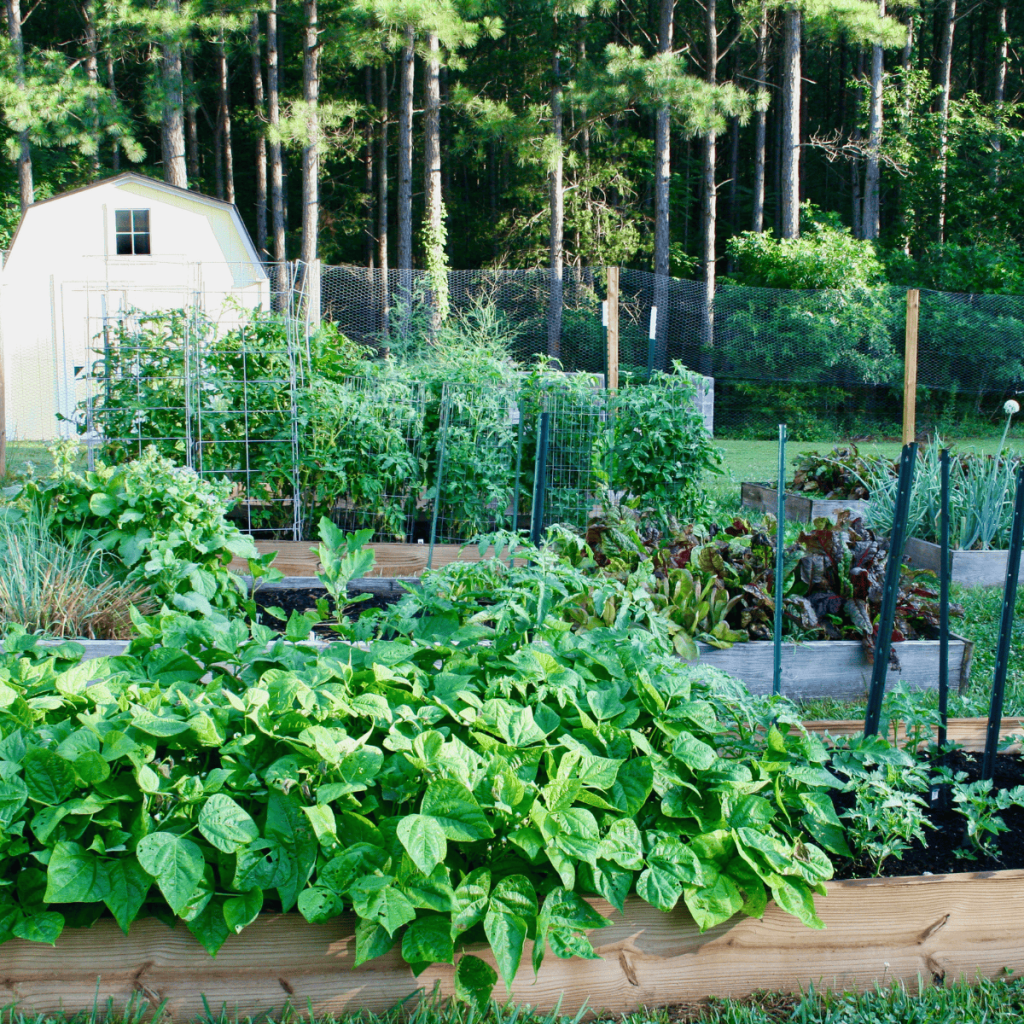
If you intend to plant your garden directly into the soil, or you will build a raised bed vegetable garden, then this guide to choosing the right location for your vegetable garden is essential. I’ve made it easy for you to understand the basics, including light and soil. You don’t need a degree in horticulture to figure it out, just decent observation skills.
Ready? Let’s start.

Key Takeaways
- Choose the best location for a vegetable garden by ensuring at least six to eight hours of sunlight daily.
- Access to reliable water sources simplifies garden maintenance, so pick a spot near a spigot or hose.
- Healthy soil contributes to productive plants; test your soil’s quality and amend it if necessary.
- Evaluate wind exposure to protect your plants from strong winds; utilize natural barriers or create your own.
- Consider convenience and aesthetics when selecting your garden site; a visible space encourages regular maintenance.
Table of contents
Sunlight
Most vegetables require full sunlight, which means six to eight hours a day of direct sunlight on their leaves. This full sun exposure fuels photosynthesis, encourages strong growth, and helps plants produce abundant fruit. A few vegetables, such as green beans and lettuce, can make do with partial sun, but to really get the most from your vegetable garden, the spot you choose to plant your garden should be in bright directly sunlight.
Take time to watch how sunlight moves across your yard throughout the day. That sunny spot you noticed at breakfast might fall into shade by mid-afternoon. Walk through your yard at different times, noting where the sun lingers longest. Early morning light tends to be gentler, while afternoon sun delivers the most intense energy.
Light Patterns Change with the Seasons
Keep in mind that sunlight patterns shift with the seasons. The summer sun traces a higher arc across the sky, casting shorter shadows, while the winter sun sits lower, creating longer stretches of shade. A spot in direct sunlight all summer might spend much of spring and fall in shadow.
Deciduous trees (oak, maple, etc, the kind that shed their leaves in the fall) cast shade during the summer. In the winter, the spot you look at might receive full sunlight, but what happens when the tree grows its leaves in the spring? Think about trees that may cast shadows on your garden, too.
If full sun simply isn’t available in your yard, don’t despair. Leafy greens like lettuce, spinach, and kale tolerate partial shade quite well, as do many herbs. You can also work with what you have by choosing varieties bred for shadier conditions or by focusing your sunniest hours on the plants that need them most.
My last garden in New York, before moving to our farm in Virginia, was large – but completely shaded by tall, mature trees in the neighbor’s yards, and by sheds and garages. The only spot in the yard that received full sunlight was a redwood deck near the house. I successfully grew tomatoes, eggplant, peppers, and even cantaloupes in big gallon containers on the deck, while I grew green beans, lettuce, oregano, and a few other herbs in the shaded part of the yard. Be creative; as long as there is sunlight somewhere, you can have a vegetable garden.
Water Access
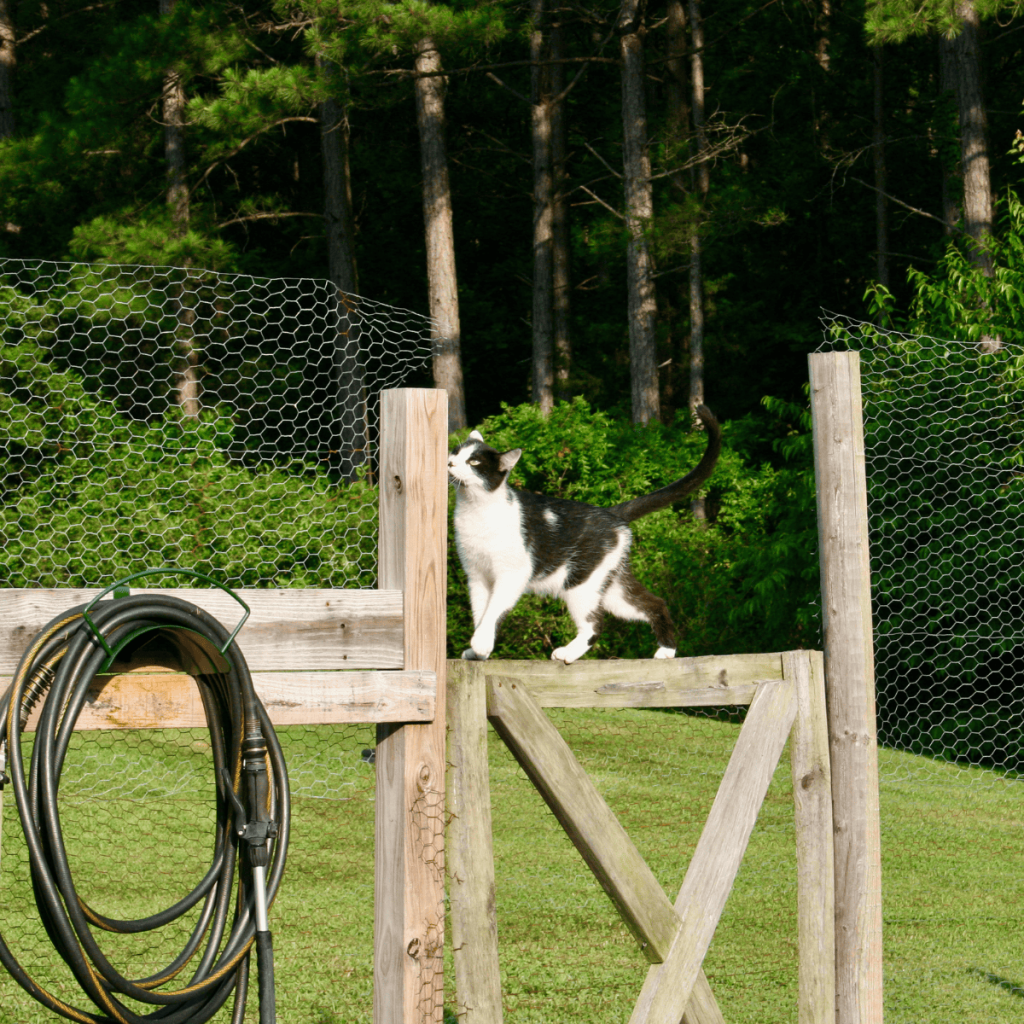
Vegetable gardens need water, often more than what nature offers in rainfall. That means watering with a sprinkler, hose, or watering can. And trust me, hauling watering cans, or gallon repurposed milk jugs filled with water, to plants across the yard gets old fast. If you’re planning a vegetable garden, choose a location within easy reach of a reliable water source. A nearby outdoor spigot makes watering simple, especially during the heat of summer when plants may need daily watering. A long hose with an adjustable nozzle quickly becomes your friend in the summertime.
Pay attention to how water behaves in different parts of your yard. Some areas drain quickly after rain, while others hold water longer. Walk around after a storm and notice where puddles form and where the soil dries first. This information tells you a lot about your soil’s natural drainage patterns.
Irrigation and Watering
Consider your irrigation options early in the planning process. A standard garden hose reaches most backyard gardens without trouble, but you might also explore soaker hoses, drip irrigation systems, or rain barrels positioned to catch runoff from your roof. Each approach has its advantages, and choosing one that fits your schedule and budget will make garden care much more manageable.
Avoid areas that remain soggy or waterlogged, even if they seem convenient in other ways. Most vegetables hate having their roots sit in standing water, and consistently wet soil encourages root rot and fungal diseases. If you love a spot that tends to stay damp, you might need to amend the soil heavily or build raised beds to improve drainage.
Soil Quality
There’s an old garden adage that healthy soil grows healthy plants. That’s why organic gardeners like me spend so much time fussing with our soils and adding compost.
Before you dig your first bed, take some time to understand what you’re working with. Grab a handful of slightly moist soil and squeeze it. Does it form a tight, slick ball that refuses to crumble? That suggests heavy clay. Does it fall apart immediately and feel gritty? You’re likely dealing with sand. The ideal soil holds together when squeezed but breaks apart easily when poked.
Good soil texture matters because it affects how water moves through the ground and how easily roots can spread. Clay soils drain slowly and can suffocate roots, while sandy soils drain so quickly that water and nutrients wash away before plants can use them. Loamy soil, that perfect balance of sand, silt, and clay, gives roots room to grow while retaining enough moisture and nutrients to support vigorous plants.
Soil Testing
Testing your soil’s pH and nutrient levels takes the guesswork out of garden preparation. Simple test kits are available at garden centers, or you can send a sample to your local Cooperative Extension Service for a more detailed analysis. Most vegetables prefer a slightly acidic to neutral pH, somewhere between 6.0 and 7.0. The test results will also tell you which nutrients your soil lacks, so you can amend it appropriately before planting.

Try Raised Beds to Adjust Soil
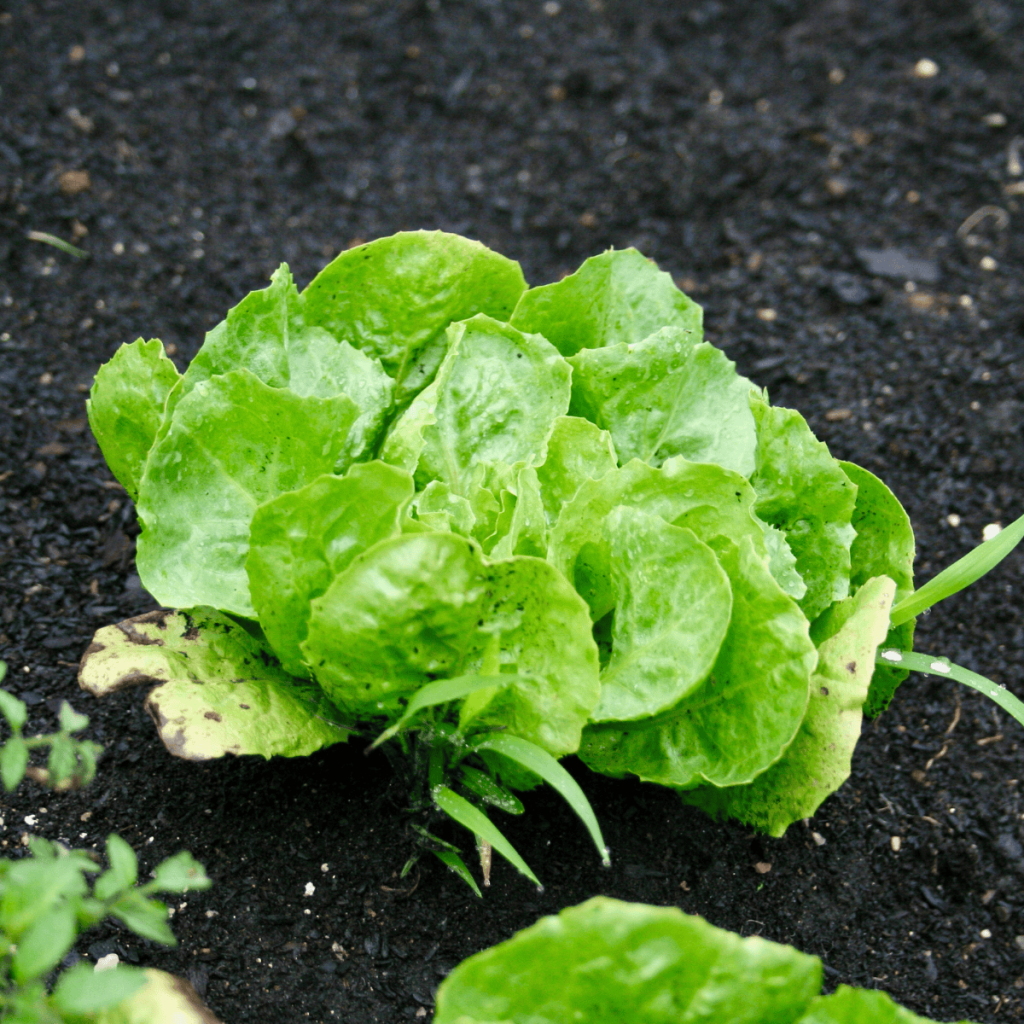
Some areas just have soil that’s not great for vegetables. The pH is too low or too high, or perhaps you live near the ocean and you’re dealing with a very sandy soil that won’t hold moisture or nutrients. In that case, growing your vegetable garden in pots or containers might be a solution for you the way it was for me when I had only one sunny option. Raised beds are also a great solution; you can fill them with a custom blend of topsoil, compost, and other amendments, giving your vegetables the growing medium they need from day one. Raised beds also warm up faster in spring, drain more reliably, and save your back from excessive bending.
Wind Exposure
A gentle breeze on a warm afternoon feels pleasant, but strong, constant wind stresses plants in ways you might not expect. Wind strips moisture from leaves faster than plants can replace it, even when the soil remains damp. It batters tender seedlings, breaks stems, and can even prevent pollinators from doing their work effectively.
Walk around your yard on a breezy day and notice where the wind hits hardest and where natural barriers calm it down. Solid fences, hedges, buildings, and mature shrubs all create sheltered zones. A garden tucked into one of these protected pockets will require less water and suffer less physical damage than one planted in an exposed area.
If your ideal garden spot lacks natural wind protection, you can create your own. A row of shrubs, a strategically placed trellis, or even a temporary windbreak made from burlap or shade cloth can make a significant difference. Just remember that solid barriers can create turbulence on the downwind side, so a slightly permeable screen often works better than a solid wall.
Convenience and Aesthetics
The best garden location in terms of sun, soil, and water won’t do you much good if you never want to visit it. Gardens tucked away in forgotten corners of the yard tend to get neglected. Out of sight really does mean out of mind, especially when you’re tired after work or juggling a busy weekend schedule.
Place your garden where you’ll see it regularly. A plot visible from your kitchen window or along a path you walk daily stands a much better chance of getting the attention it needs. You’ll notice when plants need water, spot pest problems before they spiral out of control, and feel motivated to step outside and pull a few weeds or harvest some ripe tomatoes.
Think about how the garden fits into your overall landscape design too. Vegetables can be beautiful in their own right, with their varied textures, colors, and forms. A well-designed vegetable garden can serve as an attractive focal point rather than something you feel you need to hide. Balance practicality with aesthetics, and you’ll create a space that feeds both your body and your sense of pride in your home.
Microclimates
Every yard contains pockets where conditions differ from the general environment. These microclimates can work to your advantage if you recognize and use them well.
South-facing walls absorb heat during the day and release it slowly at night, creating a warmer zone that extends your growing season at both ends. Heat-loving plants like peppers and eggplants often thrive in these spots, and you might be able to start warm-season crops a week or two earlier than in more exposed areas.
Conversely, areas beneath large trees or in low-lying spots tend to stay cooler and may even become frost pockets where cold air settles on clear nights. These aren’t necessarily bad locations, but they call for different strategies. You might use them for cool-season crops or simply accept that your growing season will be shorter in these areas.
Slopes influence both temperature and drainage. Air flows downhill like water, so cold air drains away from the top of a slope and accumulates at the bottom. Meanwhile, water runs off slopes quickly, meaning plants at the top may need more frequent watering while those at the bottom get more moisture naturally. Understanding these patterns helps you match plants to the right spots within your garden.
Planning for the Future
Your first garden bed may be modest, but chances are good that your enthusiasm will grow along with your plants. Leave yourself room to expand. A small garden that can grow over time feels less overwhelming than trying to manage a large plot right from the start.
Think about where you’ll place compost bins, tool storage, and pathways. You’ll want easy access to all parts of your garden without compacting the soil by walking directly on your growing beds. Permanent paths between beds don’t need to be fancy, but planning for them now saves you from trampling your soil later.
Consider how the landscape will change over the years. That young tree offering minimal shade today may cast a substantial shadow in five or ten years. The garden that basks in full sun now might become a partial-shade situation as plants mature around it. If you’re working with young landscaping, try to anticipate how it will develop and whether your garden will need to move eventually.
Final Site Selection Checklist
When you’re ready to make your final decision, run through these key criteria one more time. Does your chosen spot receive at least six hours of direct sunlight during the growing season? Can you reach it easily with a hose or watering can? Does the soil drain well without staying soggy? Is the area protected from harsh winds? Can you see it from somewhere you spend time regularly?
No site will be absolutely perfect, and that’s fine. Gardening always involves working with what you have and making thoughtful compromises. The goal is to choose a location that meets most of your needs and doesn’t create obstacles you’ll struggle with all season long.
A wise friend loved to remind me that almost every choice we make in life, we can choose again and make changes if the first choice isn’t right. Your garden is like that, too. Don’t be afraid to make mistakes. We all make them: the wrong plant in the wrong spot, not getting soil tested, forgetting about water sources (hence my firsthand knowledge of carrying heavy water jugs across the lawn in August heat!). We learn from mistakes. Just go for it. Do your best, plant your first vegetable garden, and learn as you grow.
Final Site Selection Checklist for Your Vegetable Garden
Sunlight
- Site receives at least six to eight hours of direct sunlight daily
- Sun patterns observed at different times throughout the day
- Seasonal light changes considered
- Shade-tolerant crops planned if needed
Water Access
- Water source within easy hose reach
- Soil drainage checked after rainfall
- No standing water or soggy conditions
- Irrigation method determined
Soil Quality
- Soil texture tested and assessed
- Drainage evaluated
- pH and nutrient levels tested or planned for testing
- Raised beds or amendments considered if needed
Wind Protection
- Wind patterns observed
- Natural windbreaks identified or planned
Convenience and Visibility
- Garden visible from window or frequently used area
- Easy to reach from house
- Fits well with overall landscape
Microclimates
- Warm and cool spots identified
- Slope effects on drainage and temperature noted
Future Planning
- Room for expansion available
- Space allocated for compost, storage, and pathways
- Long-term sunlight changes from growing plants considered
- Access planned without walking on beds