If you are new to gardening, choosing gardening tools can seem overwhelming. In this guide, I hope to make choosing the best gardening tools easier.
Key Takeaways
- Choosing the right gardening tools simplifies the process and enhances your gardening experience.
- Understand your gardening needs based on space, comfort, and time to select appropriate tools.
- Essential gardening tools include a hand trowel, hand fork, pruning shears, gloves, and a hand weeder.
- Consider quality and budget when selecting tools, aiming for durable materials without overspending.
- Caring for your gardening tools prolongs their lifespan, ensuring they remain effective for years.
Starting your first vegetable garden is one of the most rewarding steps you can take toward a healthier, more intentional lifestyle. I’ve been gardening on and off since childhood, but only began “seriously” gardening at age 39 when I moved to my own home and farm in Virginia. Now, you may not have the land to play with that I do – after all, I live on almost 17 acres. But I gardened for years in several big tubs on a patio when my husband and I lived in a tiny apartment on Long Island. I grew everything from lettuce to melons in those tubs. If I can do it, you can, too.
Table of contents
- The Right Gardening Tools Make the Work Easier
- Understanding Your Gardening Needs
- The Core Hand Tools Every Beginner Vegetable Gardener Needs
- Larger Tools That Make Gardening Easier
- Tools That Support Organic Gardening
- Choosing the Best Gardening Tools for Your Needs
- Optional Tools That Can Make Gardening More Enjoyable
- Caring for Your Tools
- Start Small with the Right Gardening Tools
- Buying Guide to Products Mentioned in This Article
The Right Gardening Tools Make the Work Easier
Gardening offers a sense of calm, a connection to nature, and the satisfaction of growing fresh, organic food right at home. But when you’re new to gardening, especially in a suburban or urban setting with limited space, the sheer number of tools on the market can feel overwhelming. What do you actually need? Which gardening tools are worth the investment? And how do you choose tools that fit your space, your schedule, and your body?
This guide breaks everything down into simple, practical essentials. Whether you’re planting in raised beds, containers, or a small backyard plot, these tools will help you get started with confidence and ease.
Understanding Your Gardening Needs
Before you buy anything, it helps to understand the kind of gardening you’ll be doing. The tools you choose should support your space, your comfort, and your time.
Assessing Your Space
Most new gardeners in suburban or urban areas work with one of three setups: a small backyard bed, raised beds, or containers. Each has slightly different needs.
Raised beds and containers, for example, require more hand tools and fewer large tools. You won’t need a full-size shovel for a balcony garden, but you will rely heavily on a sturdy hand trowel and cultivator. If your space is compact, look for tools that are lightweight, easy to store, and designed for precision.
Considering Your Physical Comfort
Gardening should feel enjoyable, not physically taxing. Ergonomic handles, lightweight materials, and tools designed to reduce strain can make a huge difference. Look for soft, non-slip grips and tools that feel balanced in your hand. If you have arthritis or joint sensitivity, this becomes even more important.
Time-Saving Priorities
If you’re juggling work, family, or other responsibilities, your gardening time may be limited. The right tools can help you work more efficiently, reduce repetitive tasks, and keep your garden thriving with less effort. Investing in a few high-quality essentials now can save you hours of frustration later.
The Core Hand Tools Every Beginner Vegetable Gardener Needs
These are the tools you’ll reach for again and again. They’re the backbone of small-space gardening and the best place to start your toolkit.

Hand Trowel
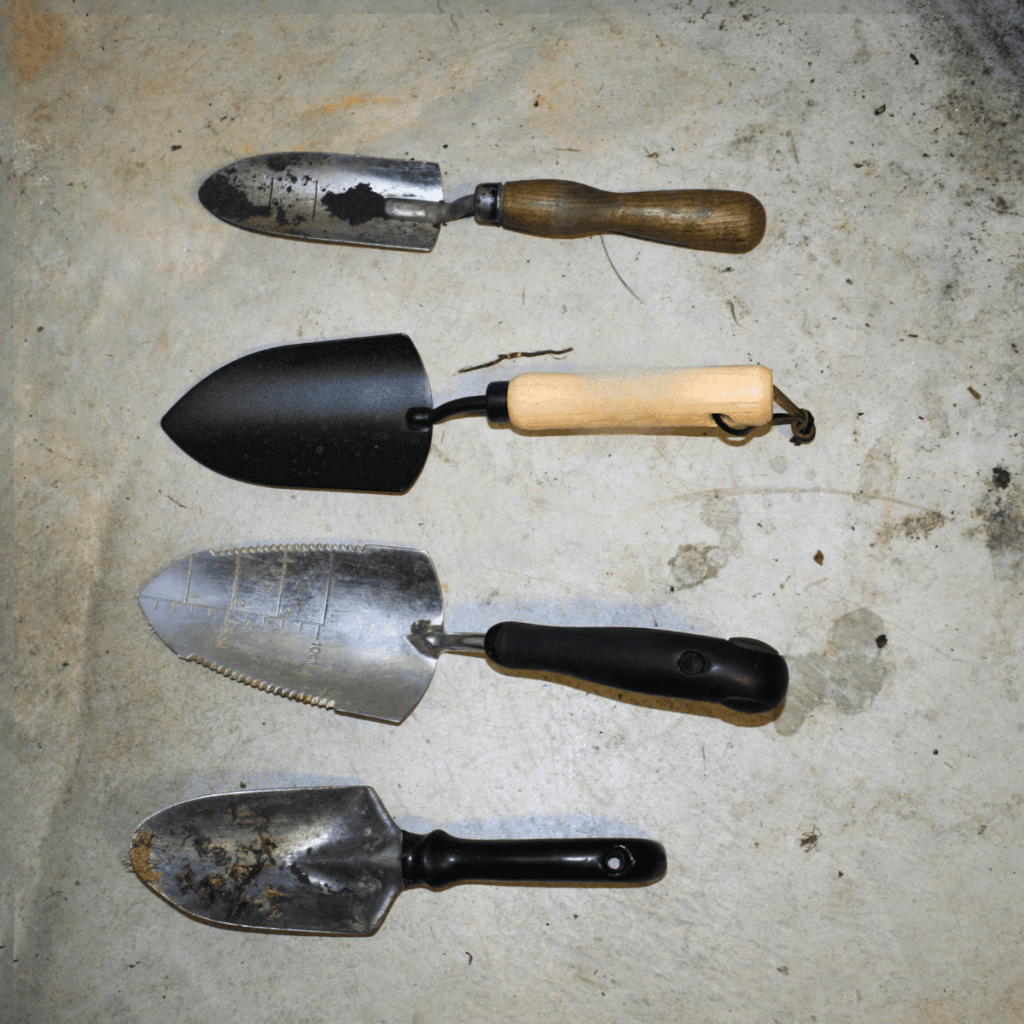
A hand trowel is the single most important tool for any beginner. You’ll use it for digging small holes, transplanting seedlings, loosening soil, and even scooping potting mix.
Look for a trowel with a stainless steel blade and a comfortable, ergonomic handle. Some models include measurement markings that help you plant at the correct depth, which is especially helpful for new gardeners.
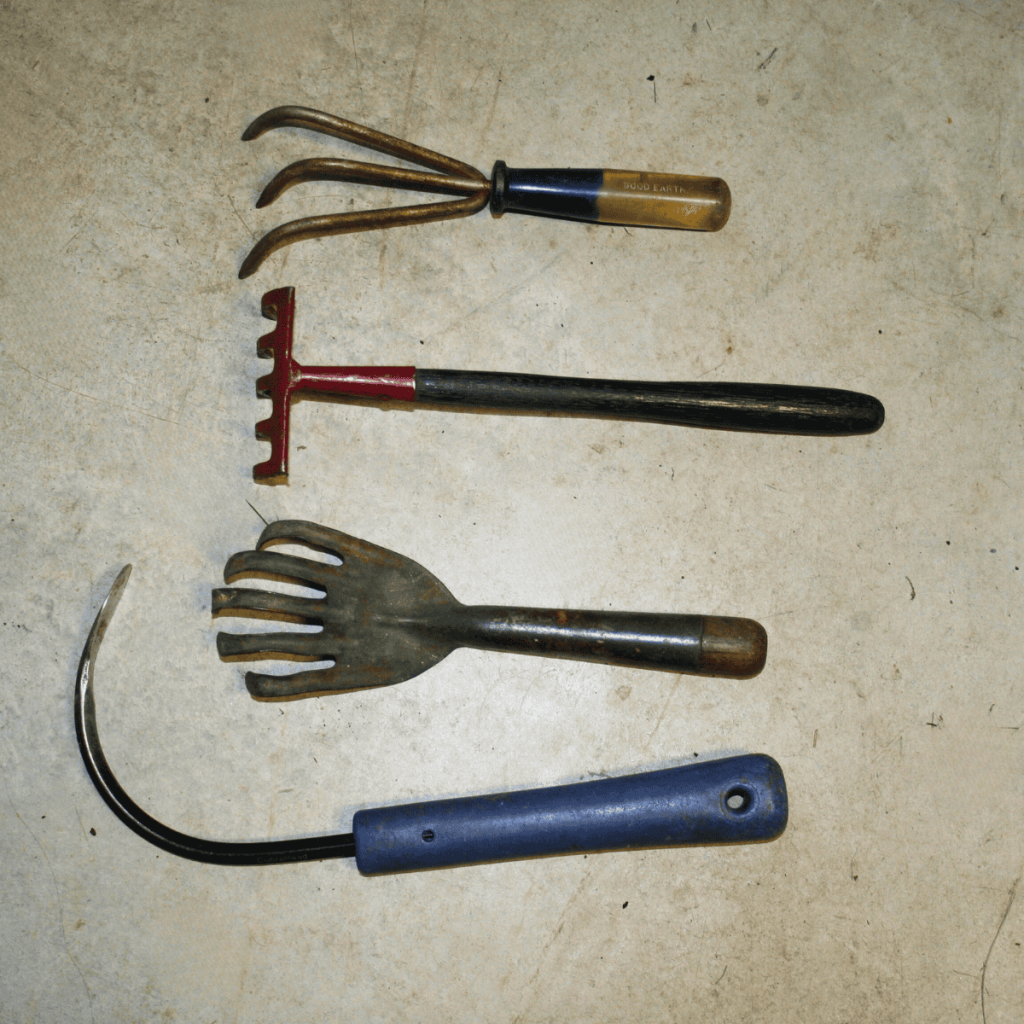
Hand Fork or Cultivator
Urban and suburban soil can be compacted, especially if you’re working in a small backyard. A hand fork helps break up clumps, aerate the soil, and mix in compost or fertilizer. It’s also useful for gently loosening soil around plant roots without damaging them.
Pruning Shears
Pruning shears are essential for harvesting vegetables, trimming herbs, and cutting back overgrown stems. Clean cuts help keep plants healthy and productive.
Bypass pruners are ideal for live stems, while anvil pruners work better for dead or woody material. For most vegetable gardeners, bypass shears are the best choice.
I’ve written more about pruning shears in several articles. You can read more about pruning shears on Home Garden Joy and learn more about the various types, makes, and models. I favor Felco brand pruning shears. This is the brand that was issued to me when I worked at Martin Viette Nurseries on Long Island. My own pair of Felco #5 pruning shears is over 30 years old, used constantly during gardening season, and aside from the blades getting a little dull is still good as new.
Garden Gloves
A good pair of gloves protects your hands from thorns, splinters, and soil-borne bacteria. They also help prevent blisters during repetitive tasks.
Look for gloves that fit snugly but allow your fingers to move freely. Breathable materials keep your hands cool, while reinforced fingertips add durability.
Badger Gloves have sharp plastic ‘claws’ on the end for those who like to dig into the soil with their hands. Char-Guy offers long-sleeves gloves to protect you when you’re working among roses or even tomatoes (I get rashes on my arms when my skin is in contact for too long with tomato plants). For everyday gardening, I favor an inexpensive cloth and suede pair of ladies’ gloves from Lowes. I buy several pairs at the start of gardening season as I am rough on my gloves and go through many pairs, but I never garden without gloves.
Hand Weeder
Weeds compete with your vegetables for nutrients, water, and sunlight. A hand weeder makes it easier to remove them at the root, especially in tight spaces like raised beds or containers.

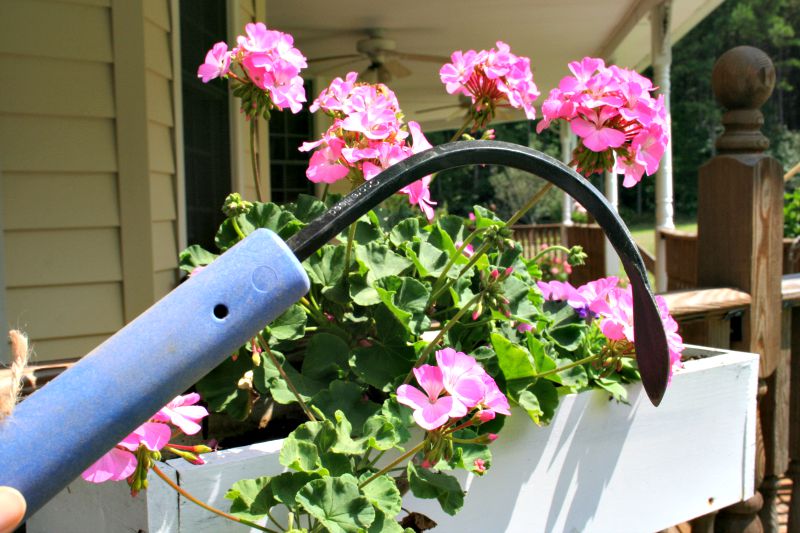
Choose a slim, sturdy design that can slip between plants without disturbing their roots. I absolutely love the Cobra Head weeder. I have sung its praises for years and will continue to do so. The steel tip enables me to dig out weeds, dig trenches to plant seeds, and more. It’s so strong I can use it on my Virginia soil – like clay bricks in the summer – and it doesn’t break. Do check it out. You can find it on Amazon or wherever gardening tools are sold.
Larger Tools That Make Gardening Easier
You don’t need a shed full of equipment to grow vegetables successfully. A few well-chosen larger tools can make your work more comfortable and efficient.
Watering Can or Lightweight Hose
Watering is one of the most important tasks in any garden. For small spaces, a watering can with a detachable rose head gives you gentle, controlled water flow—perfect for delicate seedlings. If you have a larger area, a lightweight hose with a comfortable nozzle may be more practical.
Look for kink-resistant hoses and watering cans with balanced handles that are easy to carry.


Garden Kneeler or Pad
Gardening often involves kneeling, and a supportive kneeler or pad can protect your knees and reduce back strain. Foldable kneelers are great for small spaces because they store easily and can double as a seat.
I don’t use a kneeler, but I have a recycled padded weight bench seat that I use as a kneeler when I work near the driveway. If the work calls for me to kneel on gravel – either the driveway or the paths – the bench comes out. It makes a great kneeler.
Shovel
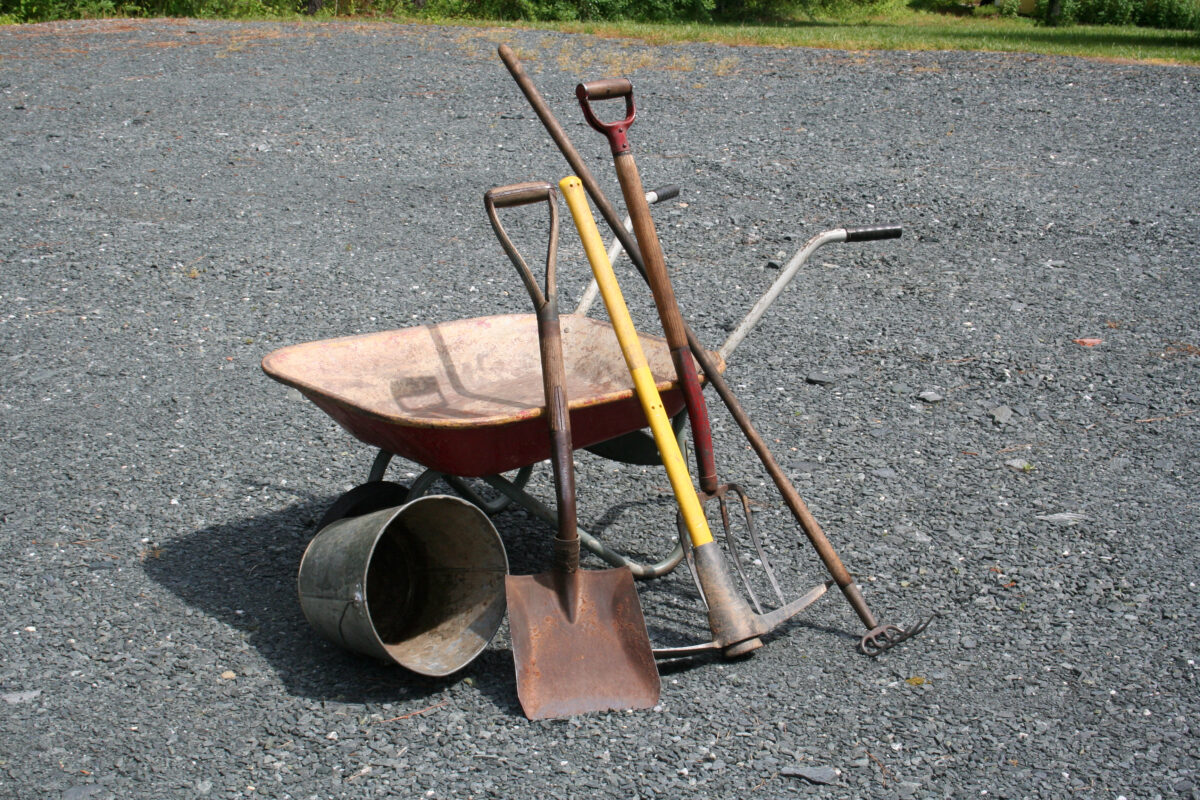
Your garden shovel will be your best friend. It’s used to dig holes, plant trees and shrubs, spread mulch, turn compost, and move soil. Look for one that feels balanced in your hands. I prefer long-handled, slightly pointed shovels, but my husband likes the short-handled kind. Pick your tool and invest in the best you can afford, because you will use it frequently.
Pitchfork or Rake
Optional tools for those of you gardening in backyards. Pitchforks have long tines with an inch or so gap between them. They’re useful for handling straw, hay, leaves, and mulch.
Rakes are self-explanatory. You’ve seen plenty of garden rakes. Look for the newer ones that have padded handles. I absolutely loathe raking leaves, but part of the problem was the rakes we had. They were all uncomfortable, and working with them for more than a few minutes left me with blisters. We bought a new ergonomic rake with a padded handle and strong plastic tines, and now I rake with ease (and without blisters). Another good investment if you need to rake leaves each fall. We rake some maple and redbud leaves to add to our compost pile.
Tools That Support Organic Gardening
If you’re committed to organic gardening, a few additional tools can help you build healthy soil and reduce reliance on synthetic products.
Compost Bin or Countertop Compost Pail
Composting is one of the best ways to enrich your soil naturally. Even in small spaces, you can use a compact tumbler, worm bin, or countertop pail to collect kitchen scraps.
Compost improves soil structure, boosts nutrient levels, and supports beneficial microorganisms.
Whole books have been written to the glories of composting, and there are many ways to build a compost pile, with or without special tools and bins. My own compost pile is a homemade affair made with big concrete blocks. Past compost bins were made with wire mesh and bricks.
I have a small garbage can tucked under the kitchen counter to collect scraps while I prepare meals. Then, once a day, I empty the small can into a pail in the garage. At the end of the week, I carry the pail outside to the outdoor compost pile. This system works well for me. In the past, when my compost pile was closer to the house, I simply carried the day’s kitchen scraps – potato peels, apple cores, and the like – right to the pile.
We’ve never bought a compost tumbler, but I have heard that they make the job so much easier. And of course, there’s worm composting – my interview with worm composter and book author Henry Owen can get you started on that route if you’re fascinated by worms and their castings, which do make excellent compost.
Choosing the Best Gardening Tools for Your Needs
With so many options available, it’s easy to feel unsure about what to buy. Here’s how to choose wisely.
Quality vs. Budget
You don’t need top-of-the-line tools, but extremely cheap tools often break quickly or cause discomfort. Look for mid-range tools made from durable materials like stainless steel or aluminum.
Invest in higher-quality versions of the tools you’ll use most often, such as your trowel and pruners.
Storage Considerations
Small-space gardeners need tools that store easily. Wall hooks, compact tool bags, or even a simple bucket can keep everything organized and accessible. Proper storage also extends the life of your tools by keeping them dry and protected.
We purchased an inexpensive organizer from Lowes for our tools. It has multiple hooks and stores all the shovels, rakes, and long-handle gardening implements easily. A plastic storage shelf in the corner holds the trowels, pruners, bits of string and twine that we use to tie up plants, and small bottles of whatever we’ve needed in the past, such as rabbit repellent.
Optional Tools That Can Make Gardening More Enjoyable
Once you’ve mastered the basics, you may want to add a few extras that make gardening even more pleasant.
Garden Apron with Pockets
A garden apron keeps your tools within reach and reduces trips back and forth. It’s especially helpful if you have limited time to work in the garden.
Small Wheelbarrow or Garden Cart
I’d actually put this one into the “must have” category if you have a big backyard, but it’s optional for more suburban and certainly urban gardens. I never had a cart in my Long Island backyard, but it was tiny – the entire lot was 60 x 90 feet, house and all – but here in Virginia, I do appreciate it, especially in the spring when I am a weeding machine in all the flower beds.
If you’re moving bags of soil, compost, or mulch, a compact wheelbarrow or cart can save your back. Look for lightweight models designed for small yards.
Indoor Seed Starting Equipment
This is one thing I love to have: indoor seed-starting equipment. A light setup with a heating source, such as specialized seedling heat mats, is invaluable if you want to get a jump on your spring planting and enjoy growing your vegetables and herbs from seed. Some plants, such as pepper and lavender, require heat during germination, so starting them indoors where you can control the heat is very helpful for starting strong seedlings.
You don’t need special grow lights to start seeds. You can create your own indoor seed starting lights with fluorescent lights. I’ve made do with plastic shelves and light fixtures hung over them. My husband rigged up a seed starting light with an old light fixture and wood on a table in the basement for me many years ago.
One thing you cannot ‘make do’ with is a heat mat if you want one. Only use specialized seed starting heating mats. These are designed for use in moist environments and with seedlings. Do not try to “DIY” seed starting heat mats!
Watering Tools
Your plants need water – that’s obvious. Rain helps, but you’ll need to give them water during weeks when there isn’t enough rain.
Choose a hose and nozzle that helps you direct the water to the soil by the plants’ roots. Anything that just sprinkles water on the leaves is useless for gardening. It won’t give the plants nearly enough water.
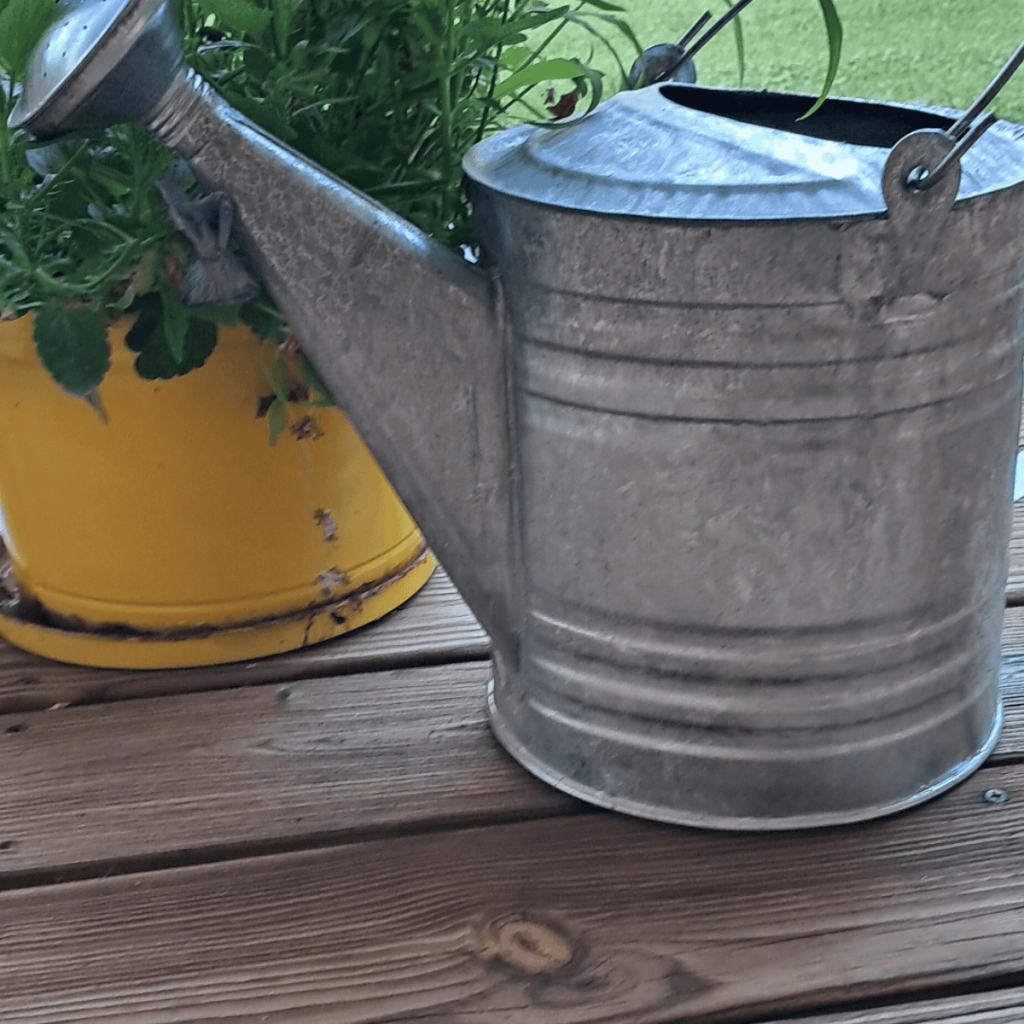
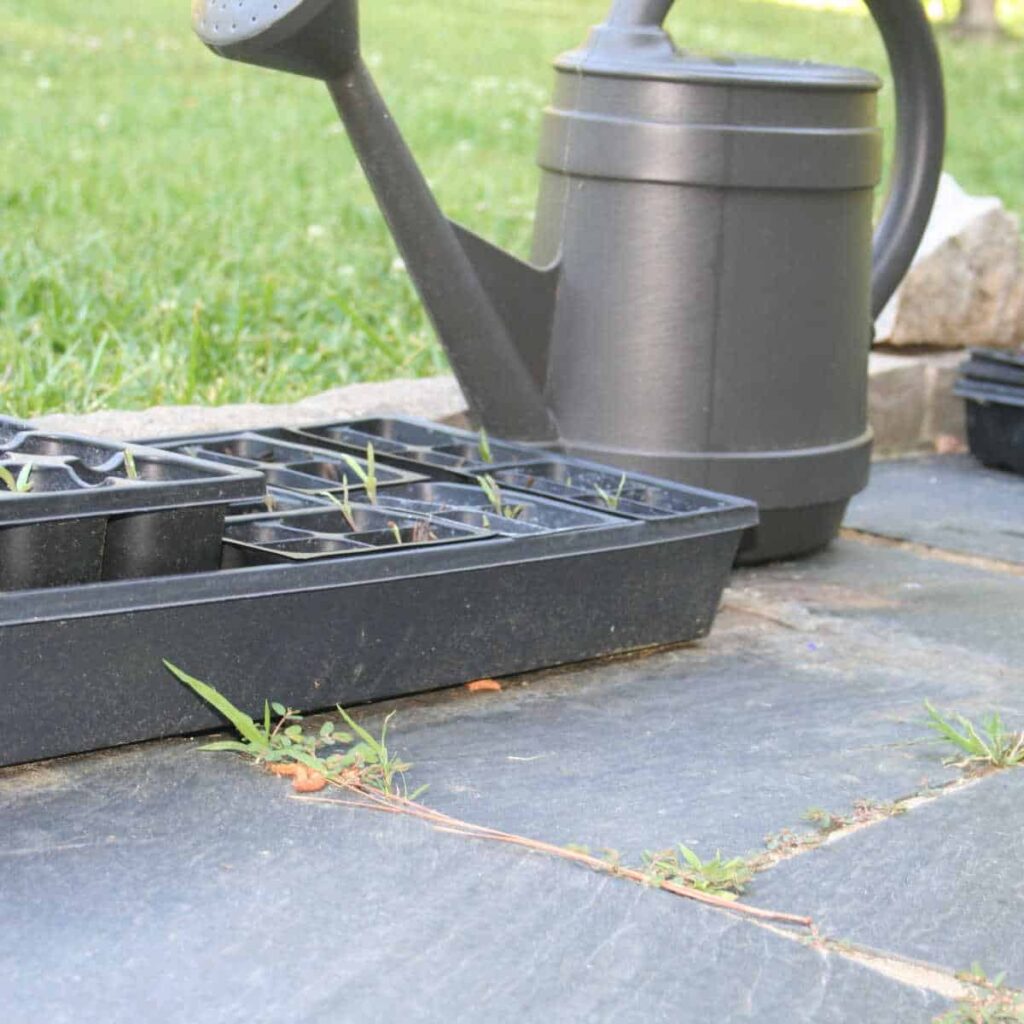
Watering cans are great for watering planters, containers, and window boxes. I prefer the old-fashioned galvanized metal cans; the plastic ones tend to crack after a season or two here in Virginia, probably due to the sun’s UV rays.
Caring for Your Tools
Taking care of your tools ensures they last longer and work better. I used to just chuck mine back in the garage after use, but my husband taught me that cleaning them makes them last longer. Some of the shovels in the pictures accompanying this article are 40 years old or older. That is how long your gardening tools can last if they are properly cared for!
Cleaning and Maintenance
After each use, remove soil from your tools and dry them thoroughly to prevent rust. We just run the hose water over them and let them dry in the sun. Pruners and trowels benefit from occasional sharpening, which keeps them efficient and safe. I also wipe down the blades with a cloth dipped in rubbing alcohol to prevent bacteria and fungi from transferring from sick plants to healthy ones, especially after I prune my orchard trees.
Safe Storage
Store tools in a dry place, away from moisture. During winter, clean and oil metal parts before putting them away for the season. Hang up shovels and rakes. Place trowels and hand tools in a bucket or on storage shelves at the end of the season.
One pro tip: Take your gardening gloves inside after use. Store them indoors. Why? My dad used to keep his in the garage. One day, he went outside, and we heard a blood-curdling scream from the garage. A wasp had crawled into the finger of his gardening glove. When he put the glove on, it began stinging him, and he could not get the glove off quickly enough. His hand was horribly swollen and painful. After that incident, I made sure to always store my gloves inside.
Start Small with the Right Gardening Tools
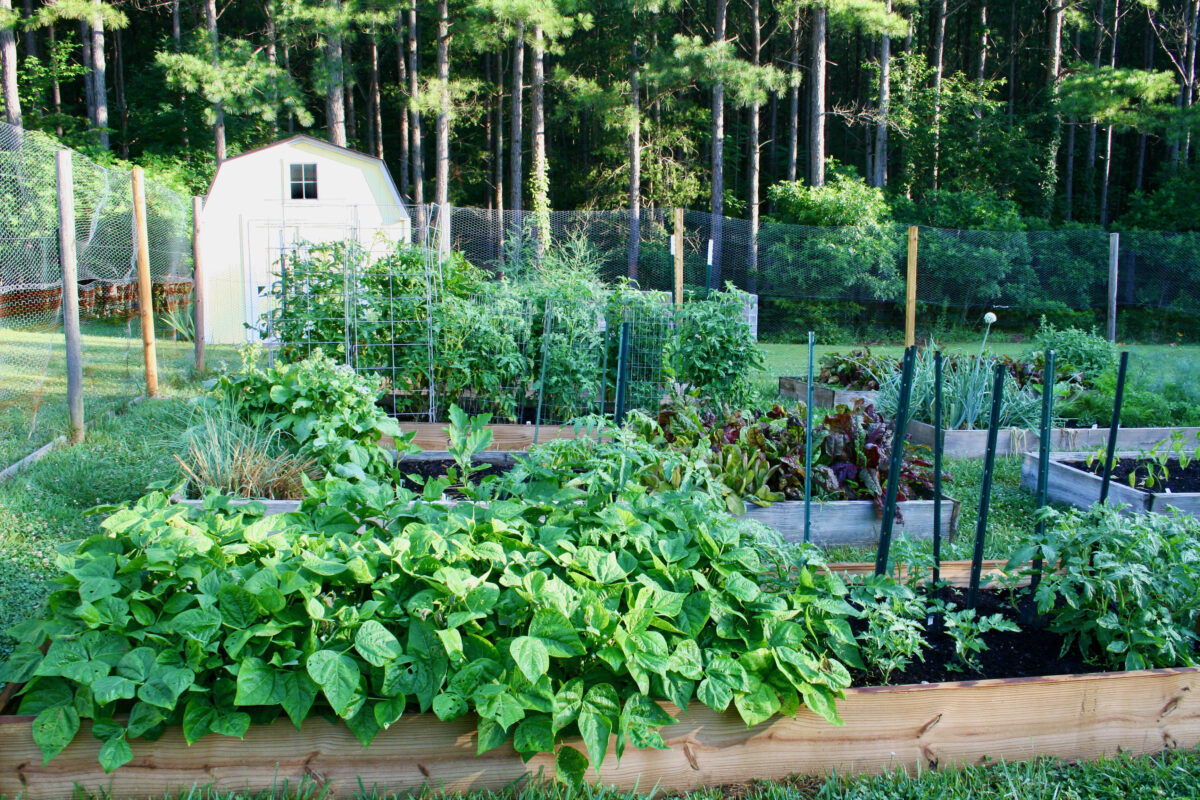
Starting an organic vegetable garden doesn’t require a huge investment or a large yard. With just a handful of essential gardening tools and a little care, you can grow fresh, healthy vegetables right at home. The best gardening tools are the ones that fit your space, your budget, and your lifestyle. Begin with the basics, take your time learning, and enjoy the process of watching your garden—and your confidence—grow.
Buying Guide to Products Mentioned in This Article
Disclosure: Home Garden Joy participates in the Amazon affiliate program. When you purchase products using the links, below, we make a small commission on the purchase. This does not affect your price in any way. Thank you for supporting Home Garden Joy!