Growing vs. wild foraging medicinal herbs is a real concern among newbie herbalists. The other day, I shared pictures of my herb seedlings (mallow, parsley, and savory) on Facebook. A nervous nellie immediately wrote, “I would be so AFRAID to do that! How can you know they are safe?”
Well, first of all, parsley and savory are culinary herbs. Yes, they have health benefits, especially parsley. I’m not growing them primarily to make medicine. I’m growing parsley, so I have dried parsley available all winter long for my amazing, salt-free, made-from-scratch scalloped potatoes, and the summer savory to add to stews to replace the missing salt. (We are still following a low salt, nutritarian diet.)
Her comment, however, made me think back to the time when I first started learning about herbs, and why I choose to grow my own instead of foraging. Here’s my perspective on why I recommend growing your own herbs rather than wild foraging.
Please note that this post contains affiliate links. Home Garden Joy participates in the Amazon and The Herbal Academy affiliate programs. When you click an affiliate link and make a purchase, we make a small amount. It does not affect your price in any way. Thank you for supporting Home Garden Joy.
Wild Foraging Requires Solid Plant Identification Skills
My nervous friend is right when she commented about her fears of mid-identification of plants. It’s a real fear, and it’s worth paying attention to. Water hemlock, for example, is easily mistaken for other plants, and it can be deadly. As recently as winter 2026, four people in California died from eating foraged mushrooms they incorrectly identified.


Learn Responsible Foraging
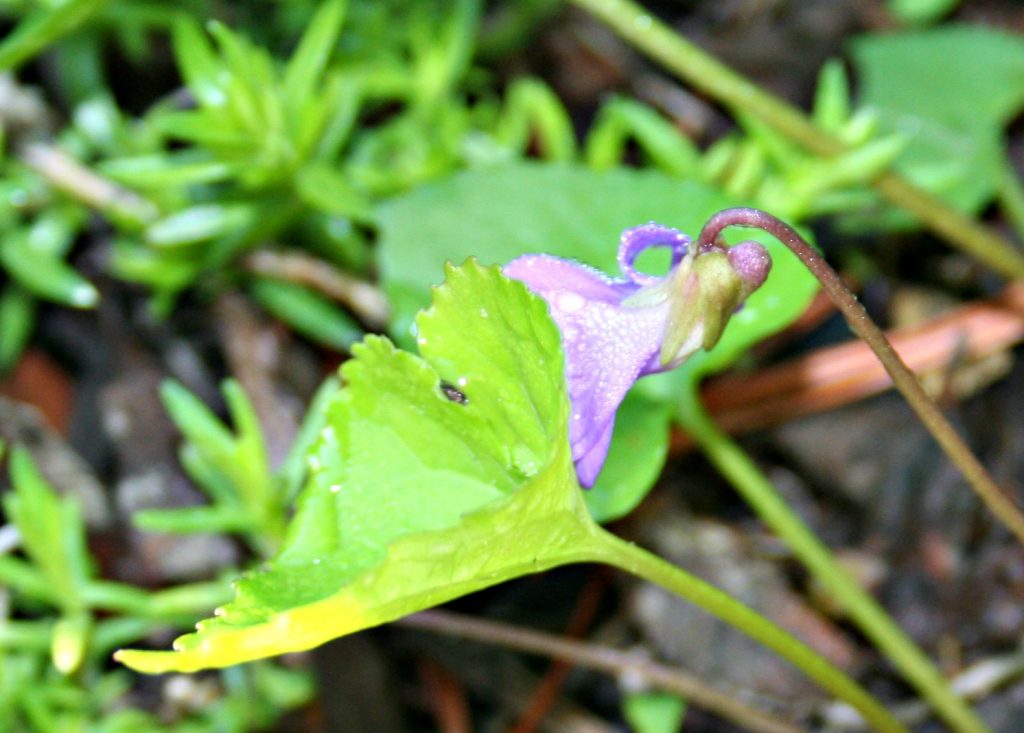
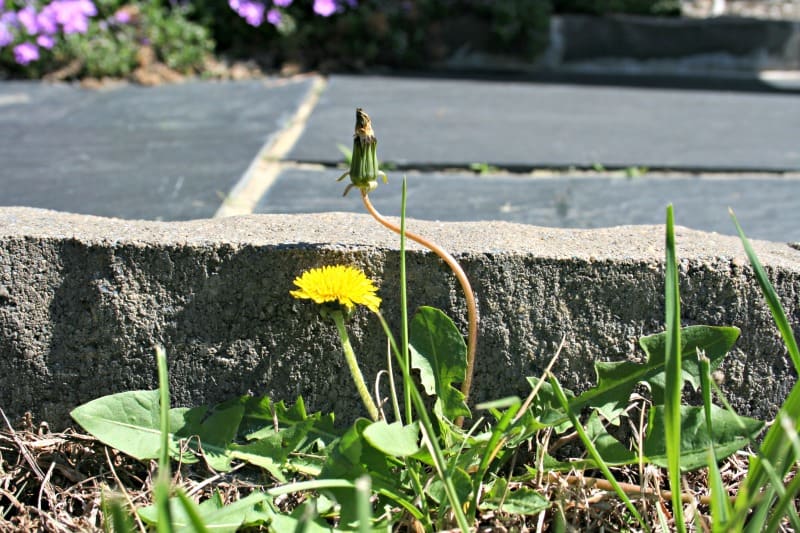
Wild plant identification is an art and science. While I can confidently identify chickweed and dandelion, I’m not so sure about mushrooms. A good plant guide, like a Personson’s Field Guide, can help, but mistakes happen.
One way to learn more about wild foraging is to find a good local teacher who can take you into the fields and forests to show you the exact plants and teach you how to identify them. This is how I learned some simple plant identification as a child.
However, I choose to raise my own medicinal herbs to avoid the potential problems of misidentification of wild plants.
Foraging Courses Online
The Herbal Academy offers an online foraging course and a botany and wildcrafting course. I have not taken either of these course (but I have taken others through The Herbal Academy.) If you are interested in exploring them, see below.

Quality Can Vary Among Wild Plants
The quality of the herbal products you make from wild plants can vary greatly from those grown under more controlled conditions. Growing your own herbs means you control their nutrient and water intake. You can guarantee an organic gardening approach. Wild plants can pick up soil and airborne toxins.
When we lived on the outskirts of New York City, we frequently drove on the Belt Parkway to and from the Verrazano Bridge to see family in New Jersey. On the way home one time, I saw a woman digging wild dandelions along the parkway edge. Not only is this a bad idea – she was perilously close to the cars! – but how many toxins did those plants pick up from the exhaust pollution, the road salt, and everything draining off the road?
Some Wild Plants May Be Protected
Of course, your wild plants may be growing in a pristine forest. But how do you know you are allowed to pick them? Some plants are protected species. Ginseng, for example, is threatened. It used to grow abundantly throughout the Appalachians, but overharvesting and habitat loss have made it rare. Wild foraging ginseng in Virginia, my home state, is strictly regulated. You must know and follow your state or locale’s rules of harvesting wild plants.
Growing Your Own Medicinal Herbs and Plants
If you don’t want to wild-forage for your herbs, how can you obtain them? Where can you find specific herbs?
Many nursery and garden centers carry herb plants and seeds. Almost all culinary herbs are easy to grow and readily available, and many add nutrients and beneficial health effects to the diet. These include common culinary herbs such as oregano, thyme, basil, parsley, rosemary, dill, mint, and more.
For other medicinal herbs, there are specific suppliers of plants and seeds. The Strictly Medicinal Plant catalog offers a wealth of medicinal herb seeds and plants.
Make Your Own Herbal Remedies
You don’t need to grow your own medicinal plants, however. Many companies sell dried herbs, ready-made teas and tinctures, and other products. If you don’t have the space, the time, or the resources to grow and make your own herbal remedies, these companies offer almost every herb you want or need.
Sources include:
- The Herbal Academy, which has a great online shop as well as classes for every level, from beginner to expert.
- Mountain Rose Herbs, which offers bulk herbs, blended teas, and resources to make your own herbal medicine.
- Amazon, which offers a great variety, but be careful about the quality. Check the sources and read the descriptions to find out where the products were crafted.
Growing vs. Wild Foraging: I’m a Gardener and Grower
I’m a gardener and grower. I prefer growing my herbs rather than foraging for them in the wild. Here on Home Garden Joy, I teach you how to grow your own herbs, too. It’s more rewarding: you control the quality, and you can be sure the parsley plant you bought at the nursery is indeed parsley, not something poisonous!
How do you feel about wild foraging? Growing herbs? Drop a comment here and share your thoughts.