August in the Garden: Tasks, Tips, and a Look Ahead to Fall
Here in South Central Virginia, August has always felt like “back to school” season. By mid-month, the local schools are back in session, and with two universities in our small town, the stores fill up with dorm supplies and school gear. What a lot of people don’t realize is that this is also prime time for garden bargains — tools, seeds, and even bird houses show up at steep discounts at the big box and variety stores, and you can often find flats of annuals marked down to pennies. Sure, some of those plants have seen better days, but with two or three more months of decent growing weather ahead, a few dollars spent on faded-but-viable annuals is one of the cheapest ways to freshen up a tired bed.
August is also a month of contradictions in the garden calendar. It’s a time to look forward to fall’s arrival, but oddly enough, it’s also the moment to start thinking about next spring. Fall bulb catalogs and displays start appearing now, so it’s worth taking a little time to plan where your tulips, crocuses, and narcissus will go before the bulbs arrive.
Start a Garden Journal
If you’ve never kept a garden journal, these last stretch-of-summer days are a good time to begin. Conveniently, this is also when school-supply sales make notebooks and binders cheap and easy to find.
My own journal is more scrapbook than ledger — I tape and staple seed packets, plant tags, and other garden ephemera onto three-hole-punched pages, then keep everything in a binder along with loose sheets for notes. It’s not tidy, but it works. You don’t need my system, though; a simple ruled notebook or a purpose-made garden journal works just as well. The format matters far less than the habit. A journal is the easiest way to track your garden’s progress over the years, remember planting dates, and keep a running list of what you’ve grown.
August in the Garden: This Month’s Checklist
Keep up with weeding. If your area has had a wet summer like ours, weeds are thriving right along with everything else. They pull much easier when the soil is moist, so weed after rain — or early in the morning while dew is still on the ground.
Water vegetable gardens in the evening. Evening watering gives plants time to take up moisture before the heat of the next day.
Consider soaker hoses or drip irrigation. Either delivers water straight to the root zone, which is exactly where thirsty vegetable plants need it most. If it’s in the budget, it’s worth the investment.
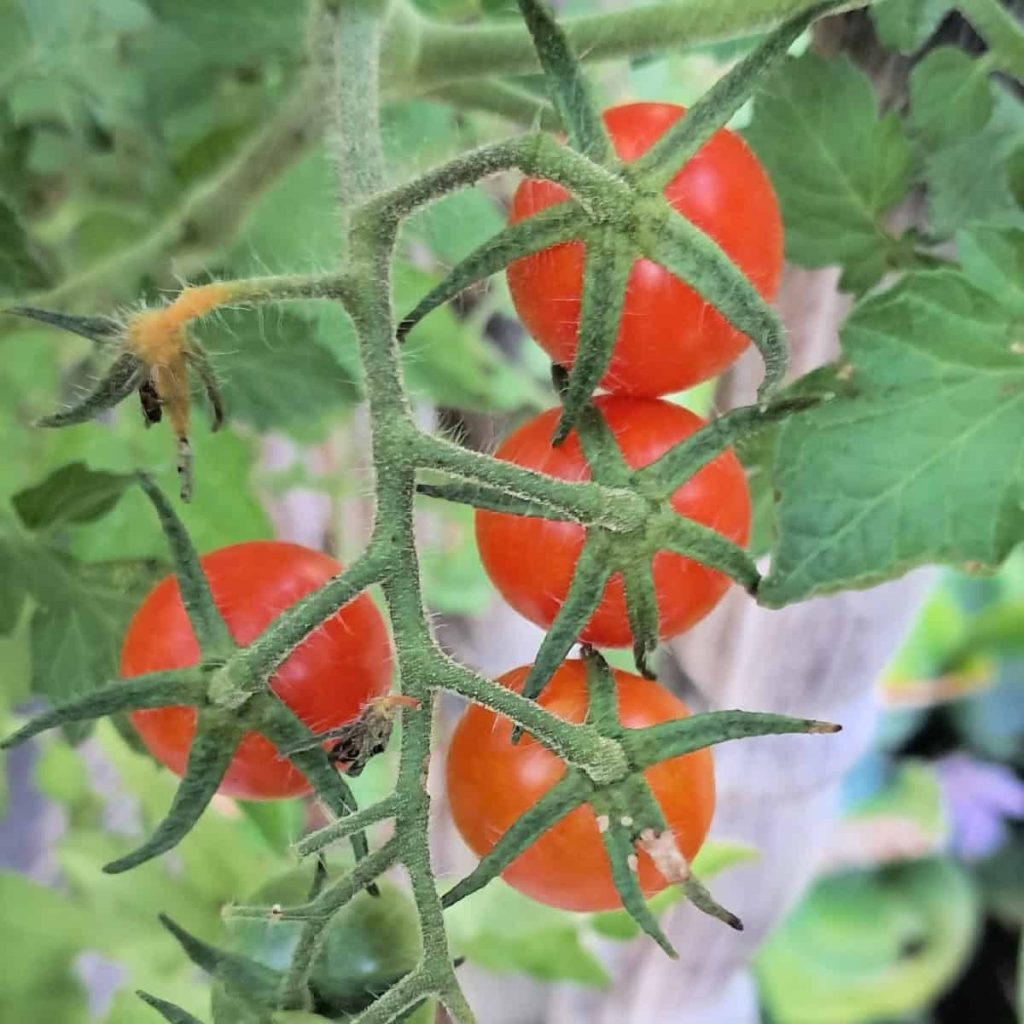
Harvest daily. Tomatoes, peppers, and other vegetables should be picked every day during peak production to keep plants producing and prevent overripe fruit from going to waste.
Give tomato plants a boost. Pinch them back and feed with a vegetable fertilizer or balanced fertilizer to support the last push of late-summer fruit.
Start fall crop seeds. Broccoli, cauliflower, and cabbage can be started now, either outdoors or indoors under grow lights.
Sow root crops later in the month. Toward the end of August, plant carrot, turnip, and beet seeds for a fall and winter harvest.
Look after the wildlife. Keep hummingbird feeders topped up as the birds fuel up for fall migration, and keep bird baths filled with clean water so wildlife has a reliable place to drink during hot spells.

Planning Ahead for Fall Bulbs
August in the garden is decision-making time for autumn bulb orders — and it’s easy to get swept up in glossy catalog photos. A few things worth keeping in mind:
- Daffodils are the reliable workhorses of the bulb world: long-lived, disease-resistant, and deer-resistant, and they’ll come back year after year.
- Tulips are gorgeous but are essentially candy to deer, and their blooms tend to taper off after a few seasons.
- Crocuses, like daffodils, will naturalize — meaning they multiply and spread on their own over time.
- When comparing bulbs, size matters. A bulb holds the embryonic flower along with the energy reserves that fuel it, so bigger generally means a bigger bloom. This is a relative rule, though — compare the largest tulip bulbs against other tulip bulbs, not against daffodils.
- Don’t plant early arrivals right away. If your mail-order bulbs show up now, or if you buy them early, store them somewhere cool, dark, and dry — a cellar works well — until it’s actually planting time, which is after Columbus Day and before the first hard frost.
Ready for August? This is the time to savor the garden. Remember, fall is just around the corner. Now is the time to enjoy the garden at its peak.