• Skip to primary navigation
  • Skip to main content
  • Skip to footer
Home Garden Joy
  • Home
  • Gardening Basics
    • Month-by-Month Gardening Tips
    • Home Garden Tips
    • Raised Bed Gardens
    • Seed Starting
    • Compost and Fertilizer
    • Tools & Equipment
    • Pests, Weed & Problems
      • Plant Diseases
      • Weeds & Invasive Plants
    • Butterfly Gardens
  • Plants
    • Plant Profiles
    • Herbs
    • Fruit
    • Vegetables
    • Flowers
    • House Plants
    • Trees and Shrubs
  • Birds and Wildlife
  • Home & Living
    • Thanksgiving & Christmas
    • Canning and Food Preservation
    • Easy Recipes
  • About
    • Herbalism Classes
    • Books for Christian Herbalists
    • Books by Jeanne Grunert
    • Privacy Policy

Starting a New Vegetable Garden

March 20, 2012 by Jeanne

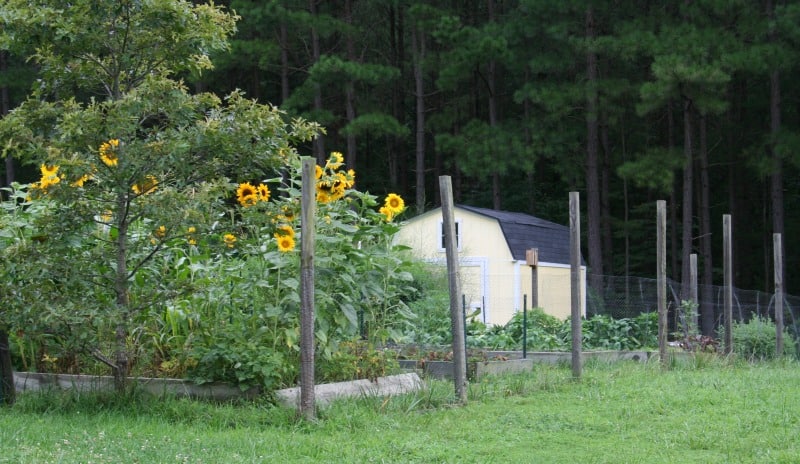
vegetable garden

All that talk about working in my own vegetable garden inspired me to write a new article today for Hub Pages on Tips for Starting a New Vegetable Garden.  If you’re new to gardening or you’ve just moved into a new house, these tips may help you start your very own home vegetable garden.   I’ve shared with you how my little investment in seeds and starter plants yields big harvest.  Not only does the garden produce food that saves me money, but I know exactly what went into growing my food, where it came from, and how it was harvested and stored. Think about it for a minute.

While I am not in a position to raise my own beef cattle, I can certainly raise my own lettuce, tomatoes, radishes, peppers and a bunch of other vegetables. I know that my vegetables haven’t been doused with a bunch of chemicals because I take care of them. I’m fairly certain that the soil is mineral-rich thanks to the compost added to it over the years. More importantly, I know that it is fresh – and the fresher the vegetables, the higher the nutrient content. Important vitamins such as vitamin C degrade with time and yes, vegetables contain vitamin C. It’s not just your oranges and orange juice that contains vitamin C!

So think about growing a few vegetables if you can.  Most people can grow a tomato plant in a pot, a few lettuce plants or some herbs on a sunny kitchen windowsill.  Whatever you can grow, I encourage you to do so. It adds so much enjoyment to your life – and frankly, tastes so much better than store bought food – that you’ll wonder how you ever lived without it.
Filed Under: Vegetable Gardening

Previous Post: « Getting Your Soil Professionally Tested
Next Post: Bagworm Moth »

Footer

A close up of radishes.

How to Grow Radishes from Seed: Easy Beginner Vegetable Garden Plant

I think every gardener starts with growing radishes. And why not? Radishes germinate readily, grow quickly, and add interest to salads. They’re also great when you have cabin fever after a long winter and you’re dying for something fresh from the garden. And while their spiciness may be an acquired taste, in some cuisines (including…

Read More

Bok choy leaves photographed from above

My Fall Experiment: Growing Chinese Vegetables

Every gardener loves a good experiment, and this year mine involved stepping outside my usual vegetable lineup. I tried growing a few Chinese vegetables in my garden, and the results were delicious, a little surprising, and a whole lot of fun. If you’ve ever wondered whether these crops are worth a spot in your garden,…

Read More

A close up of tatsoi, or vitamin plant, a Chinese vegetable, growing in a raised bed garden.

Growing Tatsoi: The Frost-Resistant Asian Vitamin Plant

Growing tatsoi (Brassica rapa subsp. narinosa (sometimes listed as Brassica rapa var. narinosa) offers fresh, leafy greens in USDA hardiness zone 7b throughout the fall and possibly the winter. Tatsoi isn’t sold in my local Kroger, Food Lion, or Walmart Super Center, but it’s easy enough to grow, and so delicious, that I plan to…

Read More

A pot of red chrysanthemums on a wooden packing crate with pots and yellow mums on the ground.

November Gardening Tips

Tidying Up, Winding Down, and Looking Ahead Here in central Virginia, the first hints of fall show up in October, and by the end of the month cool nights are the norm. By November, frost is a given, the leaves have all turned, and most of the trees stand bare. November is a month for…

Read More

  • About
  • Plant a Row for the Hungry
  • Awards
  • Privacy Policy

Let’s Connect!

  • Facebook
  • Instagram
  • Pinterest
  • Substack
  • YouTube

Copyright © 2026 Home Garden Joy on the Foodie Pro Theme