 |
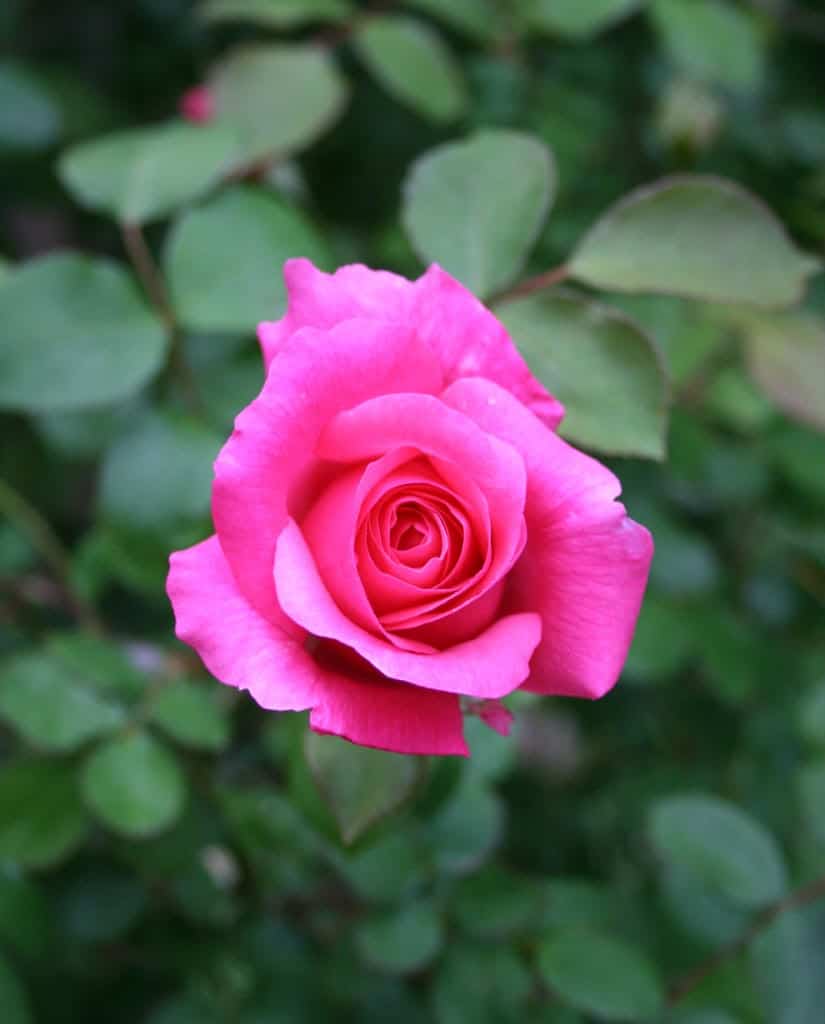
| Sadly, the roses are now under attack. |
This is the year of the Japanese beetle. The Virginia Cooperative Extension website indicates that drought conditions keep them in check. Since we’ve received at least an inch of rain, if not more, for the past several weeks, I’m guessing the little buggers are going to thrive. And that’s bad news for fruit trees and flowers in the garden.
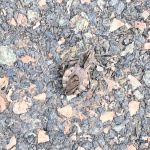
Japanese beetles are easy to recognize. They are mostly brown with an iridescent green shell. The adult beetles appear on trees, shrubs, flowers and vegetable plants in early to mid June. I noticed them around June 15th, which is just about right for south central Virginia.
Once the adults emerge, they feed, breed, and lay their eggs in the soil. The larvae are called grubs. You have probably seen them since they like to live under the lawn. Those grub control products you buy at the store are intended to control the beetles before the larvae change into adults.
Japanese beetles can cause extensive damage. Right now, they’ve eaten many of the leaves on my weeping cherry tree, have already started on the roses, and created lace out of the morning glory leaves.
There are two methods of organic control. Neem oil is a spray made from the neem tree that is effective, especially on roses. I’ve used it to control both Japanese beetles and black spot with good results. The problem with it is that you must re-apply it after a rain shower or after water touches the leaves, so even a careless bout of watering can wash it off the plants.
The second method that I know of is very effective but time consuming, and it grosses out some people. My uncle Louis taught this method to me when I was around five or six years old. You take a clean, empty jar, such as a spaghetti sauce jar, and fill it up a quarter of the way with one squirt of dishwashing liquid and water. Uncle Louie used kerosene, but I prefer soap and water. Now just walk among the plants and flick the beetles into the soapy water. The soap makes it impossible for them to fly away and they drown. Some people don’t like touching the beetles, and others just don’t have the time to use this method.
Traps may or may not work. I know I’m going to get a lot of flack for this statement. There is some research from the University of Kentucky that traps actually attract more beetles to you area than they kill. Traps usually contain pheromones, or beetle hormones. Many attract just one sex (females or males) which decreases their ability to breed. After all, if most of one gender fall into the trap, the remaining ones are hard-pressed to find a mate. I do use traps in the garden because it is just about the only thing that helps around here.
There are other sprays, but I do not like to use them. One of the best organic methods to use is simply to plant species that Japanese beetles don’t find palatable. While you may have to forgo some beautiful plants such as roses, in the long run you’ll be doing the environment a greater favor by not putting harsh chemicals into the groundwater just to have a pretty plant.
What do you use for Japanese beetle control?