Photo by Chandra Oh on Unsplash
Light Requirements for House Plants
Different Plants Need Different Amount of Light
One of the questions I hear frequently is, “What light do I need in my home to have a few house plants?” That’s sort of like asking, “What food do I need to feed a pet?” when you don’t know whether your pet is a goldfish, a turtle, a cat, dog or elephant. Without knowing which plant is under consideration, it’s impossible to identify the light requirements. Suffice to say that yes, all plants require light, but how much light depends on the plant itself.
Plants Evolved in Different Climates and Geographies
Think about it this way. Plants evolved over millions of years under very specific conditions. Unlike animals, which can move from one location to another if the climate or other factors change, plants really can’t move. They adapt, and those with the best chances of survival pass along their genetic material to the next generation, and so on. Plants with unique characteristics developed to thrive under some mighty strange conditions.
Some plants developed in tropical regions, while others in temperate or even frigid conditions. Some thrive under bright, hot sunlight, while others prefer the cool, moist under story of a tropical rain forest canopy.
Determining What Light House Plants Need – and Providing It
Now we come to the modern-day and age, and our nice, climate-controlled homes. We have air conditioning in the summer and heat in the winter. Our homes face a specific direction, depending on how they are placed on the street. We have only so many windows in a home; it’s difficult, expensive and time-consuming to add more. And, depending on the particular room, we may or may not want plants in that window. Plants need light conditions similar to those under which they evolved.
Microclimates in the Home
Even within the home, there are different conditions called microclimates in various rooms. The bathroom, for example, could be slightly warmer and more humid than the living room or bedroom. It may be warmer because of a heat lamp or simply because it’s a smaller room; running a hot shower or bath creates steam, which raises humidity. Plants need temperature conditions to be approximately the same as those under which they evolved and thrive.
Most homes have low relative humidity, and depending on the type of heating system you have such as forced hot air or an old-fashioned steam radiator, the humidity may be impacted even more. Plants need humidity and moisture conditions to be similar to those under which they evolved.
Choosing Plants According to Light Requirements
Given all of these considerations, are you starting to see how you choose house plants that will thrive in your home?
- Know the light conditions in the room in which you want to keep the house plant. Eastern or western windows tend to have bright, diffused light. Southern windows tend to have full sunlight and warmer conditions. Northern windows offer cooler spaces and low light. Which do you have? (If you’re not sure, here’s a brief Earth Science refresher; the sun rises in the east and sets in the west. Where is the sunlight in your home first thing in the morning? How about around 5 pm at night? Early morning light is eastern light; 5 pm or later sunlight is western.)
- Test the temperature and humidity if you’re not sure. A simple thermometer and hygrometer (a device that measures humidity) can be purchased at home and garden centers nationwide, or just use the thermometer on your thermostat to measure the temperature in general in the room, and use the ‘feel test’ for humidity. In the winter, does the air “feel’ dry? Does your skin get chapped? Is there a lot of static electricity when you touch something? The room is probably dry with low humidity. Most house plants like a temperature very similar to what people like, so temps between 65 and 75 are fine.
Choosing Plants for a Thriving Indoor Garden
Now that you know the basics, it’s time to choose the right plants for your home. Ask yourself:
- What am I looking for? Do I want a major focal point plant for a room such as terrarium or an indoor tree, or a bright, flowering plant?
- How much time and attention do I plan to spend with my house plant? If you know from past experience that you forget to water house plants, look for something that thrives on neglect. If you kill with kindness, a fussier plant may be in order.
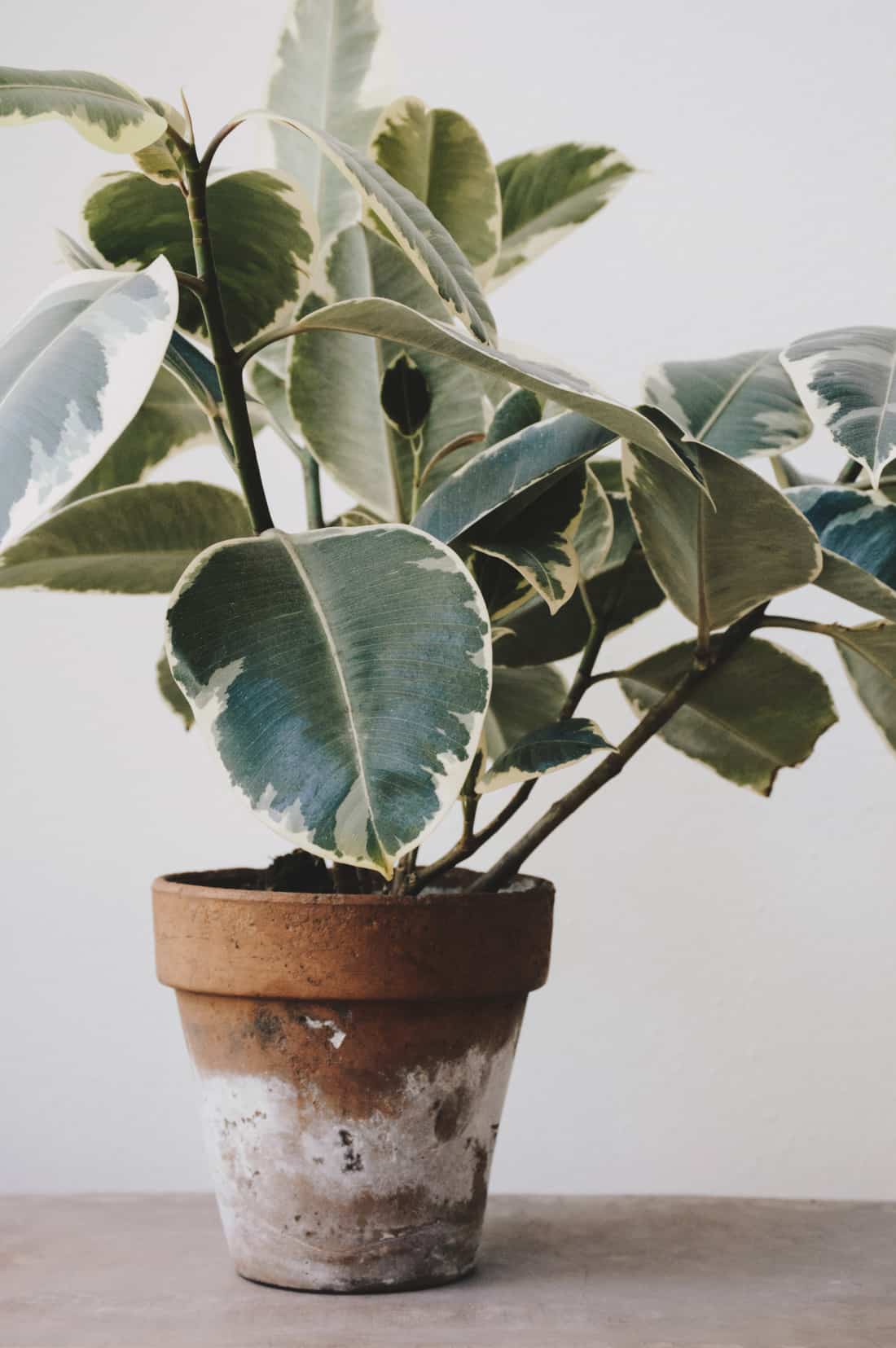
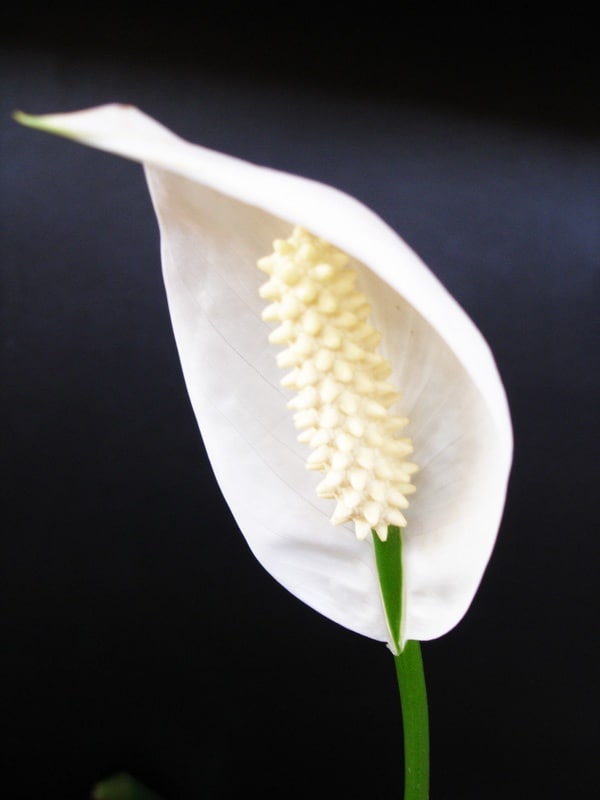
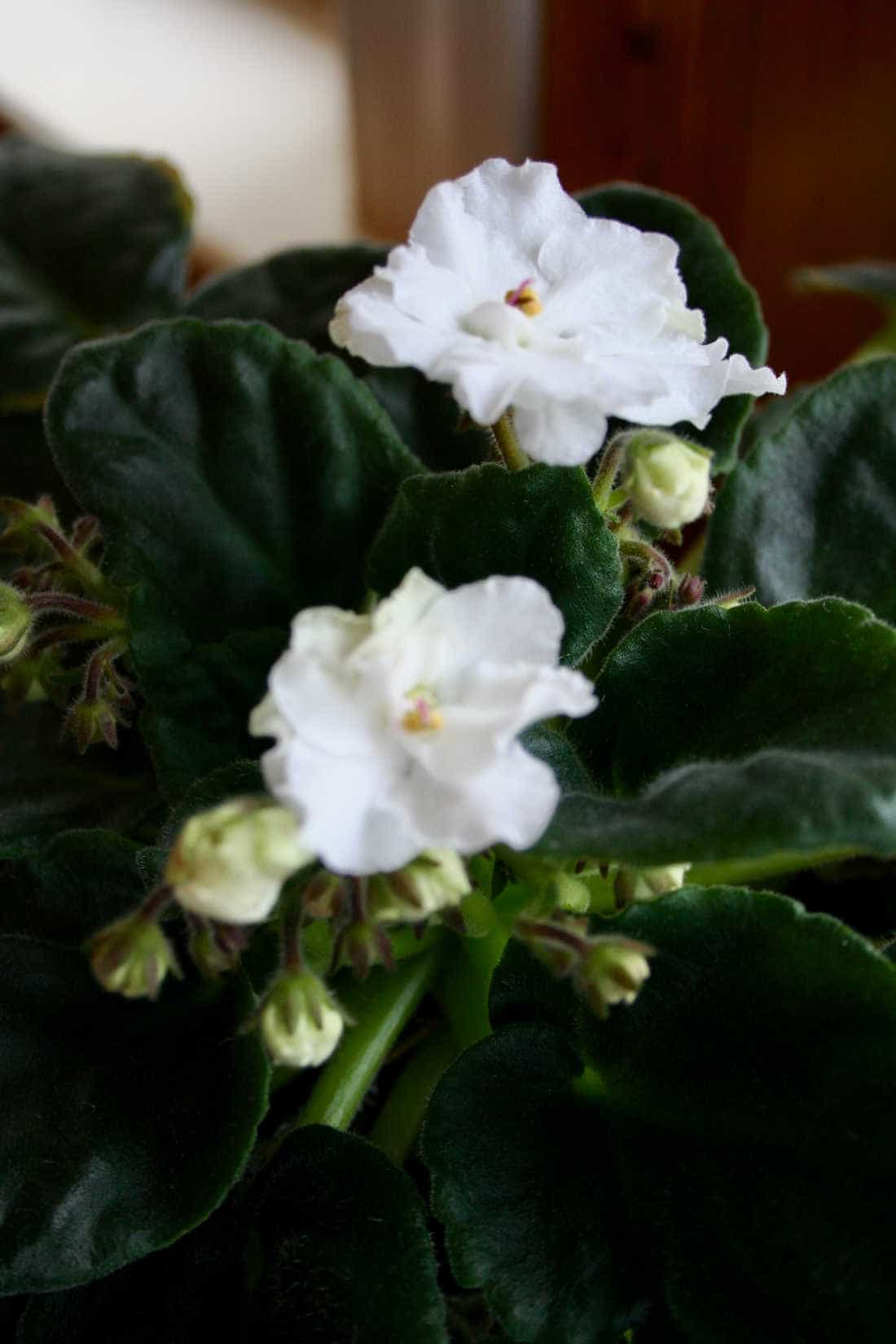
- What’s my price range? Simple house plants such as peace lily or African violet are only a few dollars and may be purchased at a local plant sales, nursery and garden center, or big box store. Orchids, indoor trees such as ficus and firs, and other plants may require more care and more dollars to buy. Consider your budget, too.
It sounds like a lot of work, but if you know the conditions in your home, a knowledgeable garden center worker can point you to the best plants for your particular situation. Don’t be afraid to ask for help. Garden center staff want your plants to thrive, too, and they will be glad to assist.