• Skip to primary navigation
  • Skip to main content
  • Skip to footer
Home Garden Joy
  • Home
  • Gardening
    • Raised Bed Gardening
    • Month-by-Month Gardening Tips
    • Seed Starting
    • Compost and Fertilizer
    • Butterfly Gardens
    • Tools & Equipment
    • Pests & Problems
    • Birds and Wildlife
    • Home Garden Tips
  • Plants
    • Plant Profiles
    • House Plants
    • Vegetables
    • Fruit
    • Herbs
    • Growing Flowers
  • Recipes
    • Easy Recipes
    • Canning and Food Preservation
  • Books & Classes
    • Books for Christian Herbalists
    • Herbalism Classes
    • Books by Jeanne Grunert
  • About
    • Privacy Policy

Strawberry Garden Care

April 18, 2012 by Jeanne

Strawberry garden care includes removing winter mulch, transplanting runner plants, and weeding around the plants.
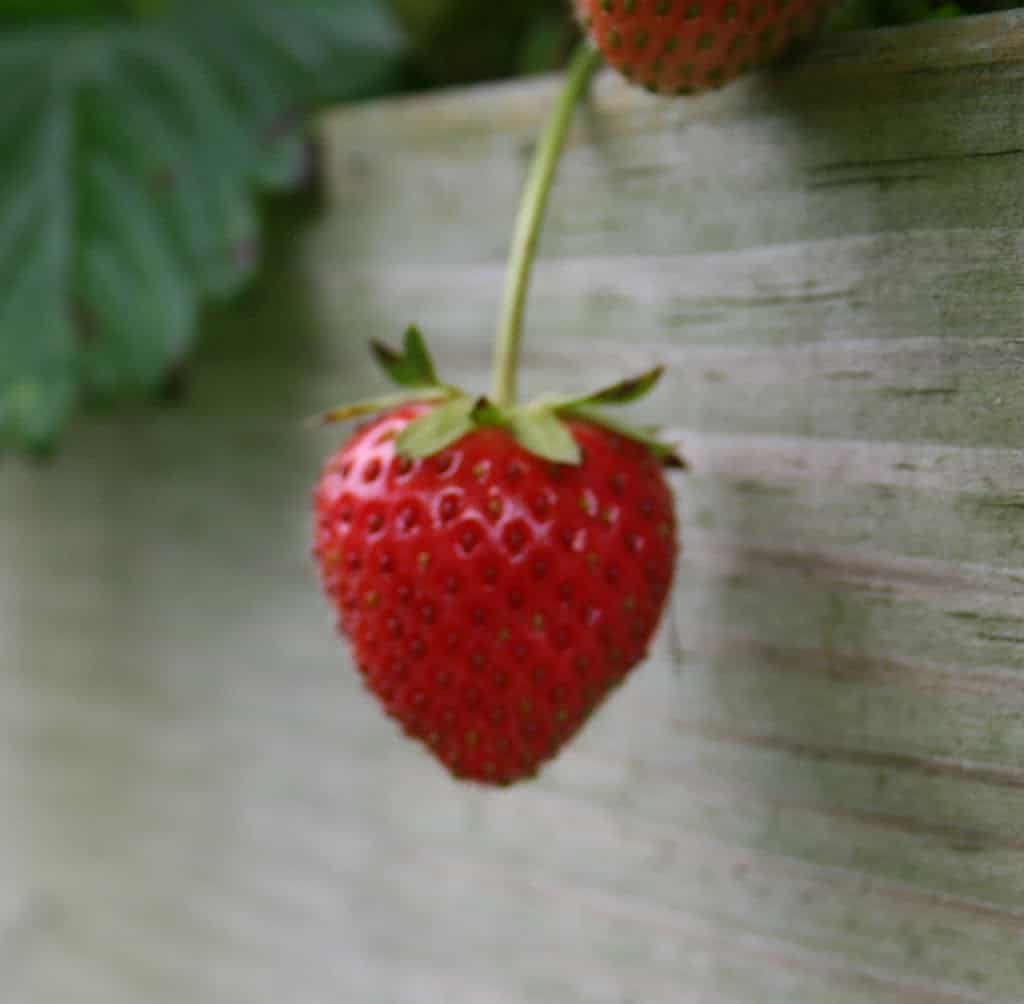
photo of a strawberry hanging over the edge of the bed

Strawberry Garden Care

Strawberry garden care and spring strawberry garden clean up is an important part of raising strawberries. Whenever you plant a bed of strawberries, you can expect some clean up each year.

  • Next, I weed the bed thoroughly. I’m always amazed at how prolific the weeds are around here.  We had a mild winter in Virginia, and the strawberry bed grew an array of weeds.  I removed big clumps of clover, grass and a bunch of the yucky stuff.
  • My next step in spring strawberry garden clean up is to look for plants that need to be moved.  Strawberries multiply by putting our runners called stolons. “Daughter” plants develop along the runners and set down roots.  Each parent plant is called a mother plant.  It’s safe to dig up the daughter plants in the spring and move to them to another, a less crowded section of the garden. Give your strawberries plenty of room and they’ll reward you with new plants to replace older ones that die out.
  • Lastly, I fertilize my strawberries with a top dressing of compost. I mix it into the soil a bit and make sure to keep the plants well-watered throughout the spring.  Good water supply ensures good berries, and my plants repay my work with abundant flowers. My mouth is already watering at the thought of the berries to come.

I planted ever-bearing strawberries here at Seven Oaks, which means I usually get smaller harvests from May through June and a second crop in the fall. The berries are smaller than the June-bearing kind, but I’m fine with that.  I eat them raw, just washing them off and trimming the stems, and they’re always delicious.  You don’t need any sugar when you grow your own strawberries!
Filed Under: Growing Fruit

Previous Post: « Columbine, Jewel of the Spring Garden
Next Post: Starting a Butterfly Garden »

Reader Interactions

Comments

  1. ~Gardener on Sherlock Street

    April 19, 2012 at

    Good strawberry info. I’m hoping for lots of daughter plants so I can replenish my bed. I agree with no sugar needed on home grown berries. Yummy!

Trackbacks

  1. Tucking Your Strawberry Plants in for the Winter says:
    October 20, 2015 at

    […] Strawberries are shallow-rooted. Because their roots and crowns, the central growing portion of the plant, are so near the soil surface, cold air temperature can really damage them. The freezing and thawing action of the soil can also push plants right out of the ground. If they are dislodged during this process, they can dehydrate and die. […]

Footer

Summer savory is an annual herb that was once used just like pepper.

What Is Summer Savory? A Friendly Guide to This Under‑Appreciated Herb

Many years ago, my friend Allie gave me a few summer savory seeds. I think we swapped them for plants. I do remember wondering what summer savory is, as I had never seen it in the grocery store. So why grow it? What’s the big deal? Summer savory is now a staple of my summer…

Read More

watering can with plants

July Gardening Tips: How to Keep Your Garden Thriving All Month Long

July brings long, sunny days and plenty of garden rewards—but also rising temperatures that can stress plants, pollinators, and gardeners alike. With a few smart adjustments to your routine, you can keep your garden healthy, colorful, and productive all summer. Here are our top July gardening tips to help you make the most of the…

Read More

yellow bearded iris "Lemon Pledge"

How to Ship Iris Rhizomes – Sharing Is Half the Fun!

How to ship iris rhizomes (bearded iris) correctly is a simple skill, and one worth learning if you’re interested in pass-along plants. When I was a girl, it was common for neighbors to share plants. Someone would divide their peonies or iris and offer a portion to a neighbor. These “pass-along plants” came with stories,…

Read More

herbal academy course photo

Natural Remedy for Tick Bite: New Course

The Herbal Academy has just launched a new course called “After the Bite: What You Need to Know About Tick-Borne Diseases.” This course features a natural remedy for tick bites and supportive herbal care after the bite. As someone who was seriously ill ‘after the bite’ – and didn’t even realize a tick had sent…

Read More

  • About
  • Plant a Row for the Hungry
  • Awards
  • Privacy Policy

Let’s Connect!

  • Facebook
  • Instagram
  • Pinterest
  • Substack
  • YouTube

Copyright © 2026 Home Garden Joy on the Foodie Pro Theme