• Skip to primary navigation
  • Skip to main content
  • Skip to footer
Home Garden Joy
  • Home
  • How to Garden
    • Garden Pests
    • Plant Diseases
    • Raised Bed Gardening
    • Seed Starting
    • Tools & Equipment
  • Plants
    • Plant Profiles
    • Vegetables
    • Fruit
    • Herbs
  • Recipes
    • Canning and Food Preservation
  • Books & Classes
    • Books by Jeanne Grunert
    • Books for Christian Herbalists
    • Herbalism Classes
  • About
    • Privacy Policy

Spring Snows – Can They Hurt Plants?

March 12, 2018 by Jeanne

Spring snow…no, no, no! That’s what I thought as I looked out the windows just now. It’s like I’m sitting in the middle of a snow globe. Heavy, thick, wet snowflakes are swirling down and the grass is covered with snow.

So too is my poor ornamental pear tree and the first peach tree in the orchard that decided it was spring in February and time to bloom.

The daffodils are drooping under the snow, the early phlox is covered, and the iris and daylilies already peeking out from the earth…well, they’re all in for a rude surprise.

What should you do about spring snows threatening your garden?

Spring Snow in the Garden: Will It Hurt My Plants?

In a word, no: spring snow in the garden will not hurt your plants.

That’s the good news. Snow acts as an insulator, so even if the temperatures drop (as ours are expected to do so later today) it won’t hurt your plants.

The bad news is that my peach tree probably won’t bear fruit this year. Freezes aren’t good for the buds and the bees are definitely still in the hive keeping warm and waiting for spring.

The bees know. They wait until the temperatures are right before emerging. And if they’re fooled by a spate of warm weather, they head right back to the hive to wait out the cold spell.

Trees and Spring Snow

But trees, once they begin to bud, are committed to the process. That doesn’t mean your tree will die. The buds on my peach tree will turn brown, and any newly emerging leaves on the peach or pear tree might turn brown.

The trees are, however, ten years old now, with a strong root system and enough energy stored to put forth another set of leaves. They’ll live to tell the tale and bear fruit for me another year.
spring snow

Bring Some Flowers Inside

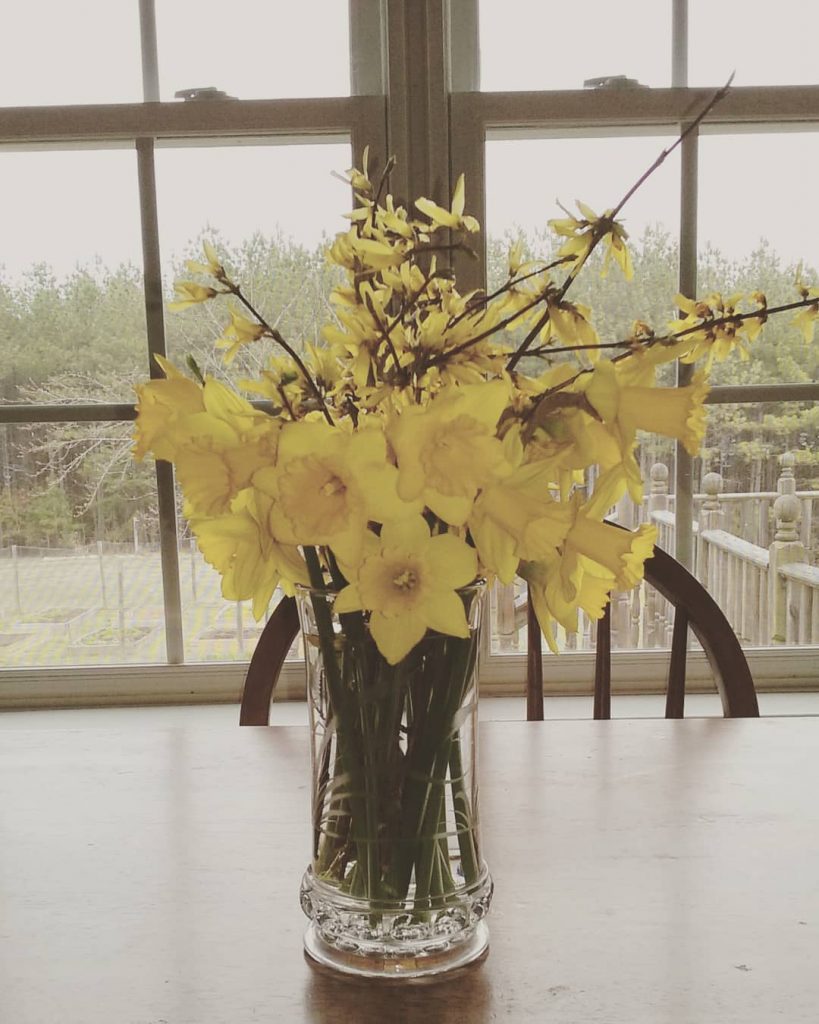
Yesterday, I cut as many daffodils as I could fit into a vase along with some forsythia. The snow may turn my daffodils brown, but they may do fine. I thought I should enjoy them anyway.

Please don’t panic if you’re in an area, like me, that’s experiencing snow today. If your flowers are already emerging, they will be fine.

Let’s face it. In the millions of years that plants have been on the earth, they’ve probably withstood more extremes than a freak late snowstorm. They’re probably laughing at our concern even now (if they could laugh).

 

Filed Under: Home Garden Tips

Previous Post: « Spring Vegetable Garden Updates
Next Post: Dandelion Greens: Weeds or Food? »

Footer

a wheelbarrow with bag of soil, trowel, pots and plants

Understanding Fertilizer: A Complete Guide for Home Gardeners

Understanding fertilizer is an important skill for beginning gardeners. In this guide, I’ll walk you through the basics. By the end of this article, you’ll understand fertilizer, what it is and what it does, and how to use it appropriately in the garden. Introduction: Why We Use Fertilizer in the Garden . Plants absorb nutrients…

Read More

red lettuce, mexican tarragon, and chard

The Best Organic Fertilizers

If you’ve been looking for ways to help your garden truly thrive — not just survive — organic fertilizers might just become your new best friend. They’ve become a cornerstone of sustainable gardening and farming, and for good reason: they don’t just feed your plants, they actually improve the health of your soil over time….

Read More

water droplets in sunbeams over a raised bed vegetable garden

Irrigation Tips for Home Gardens: Drip vs. Soaker Hose

Watering is one of the most essential tasks in maintaining a healthy home garden, yet it is also one of the most misunderstood. Many gardeners rely on overhead sprinklers or hand-watering, both of which can waste water and fail to deliver moisture efficiently to plant roots. Two of the most effective alternatives are drip irrigation…

Read More

chive plants in bloom with lettuce

The 10 Easiest Herbs to Grow

Grow them in pots, containers, window boxes, raised beds, or tucked among your flowers. These are the 10 easiest herbs to grow in almost any temperate garden. They take up little space, are generally unfussy, and are used in lots of recipes. What Do I Need to Start an Herb Garden? You don’t need a…

Read More

  • About
  • Plant a Row for the Hungry
  • Awards
  • Privacy Policy

Let’s Connect!

  • Facebook
  • Instagram
  • Pinterest
  • Substack
  • YouTube

Copyright © 2026 Home Garden Joy on the Foodie Pro Theme