• Skip to primary navigation
  • Skip to main content
  • Skip to footer
Home Garden Joy
  • Home
  • How to Garden
    • Garden Pests
    • Plant Diseases
    • Raised Bed Gardening
    • Seed Starting
    • Tools & Equipment
  • Plants
    • Plant Profiles
    • Vegetables
    • Fruit
    • Herbs
  • Recipes
    • Canning and Food Preservation
  • Books & Classes
    • Books by Jeanne Grunert
    • Books for Christian Herbalists
    • Herbalism Classes
  • About
    • Privacy Policy

Eat Your Greens – Spring Greens

April 9, 2009 by Jeanne

Spring greens are some of the easiest vegetables to grow. They also give me instant (well, nearly instant) gratification. I can start them early, and I can visit them when the rest of the beds remain empty and waiting out in the vegetable garden.
Why You Should Eat Your Greens

Greens are good for you. If your mom admonished you to “eat your greens!” she knew what she was talking about. Popeye, with his can of magical spinach that suddenly caused great, bulging muscles, knew a good thing when he found it too.

Spring greens offer many health benefits. Spring greens are rich in:

  • Protein. I’m not kidding about this. Among the plant kingdom, they’re a really rich source or protein, ounce for ounce. People following a raw food diet have known this for you.
  • Vitamins: Vitamin C, K, and others
  • Iron
  • Potassium
  • Many other minerals, including trace minerals
  • Fiber

Great greens that are both delicious and easy to grow include:

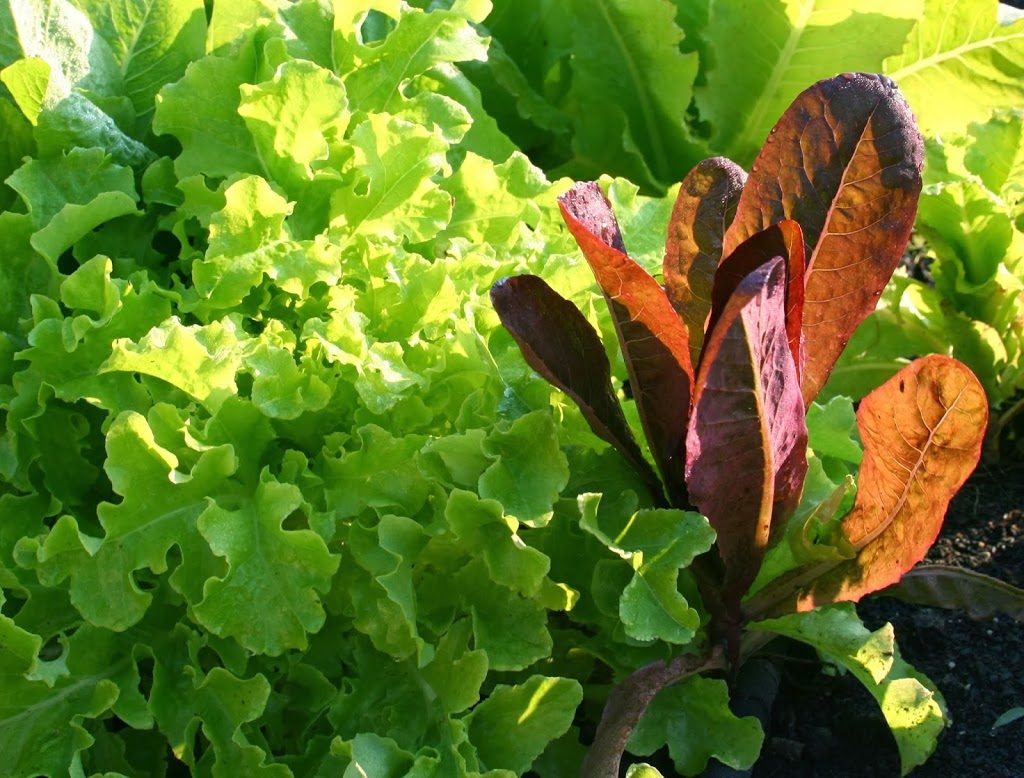
  • Lettuce: Can it get any easier than lettuce? Grow it early, grow it often. Sprinkle seeds, water and about a month or so later, sit down to a harvest. If you don’t lose it to slugs, you’ve got it made. Try Romaine, black seed Simpson, or one of the many salad mixes. I’m trying one specially made for southern weather this year – hopefully, I can grow it beyond the cool spring weather and into early summer. I think summertime in Virginia is going to be way too hot to grow lettuce, but my neighbors tell me they grow it almost to Thanksgiving in the fall.
  • Spinach: Eat it fresh in a salad or cook it up. Either way, it’s a great green.
  • Kale: Some people don’t like kale, but when grown at home and eaten fresh, it’s sweeter than you expect.
  • Swiss Chard: Green or rainbow colored, I’m in love with Chard. It’s another “seed it and forget it” vegetable, too.
  • Beet greens: You probably plant beets for the red root part, but beet greens are very healthy and delicious too. This year I’m growing an heirloom variety of beet called “Bulls Blood”. The tops are supposed to be great for cooking. Haven’t sown it yet (probably a chore for Monday), but it sounds great from the Burpee catalog.
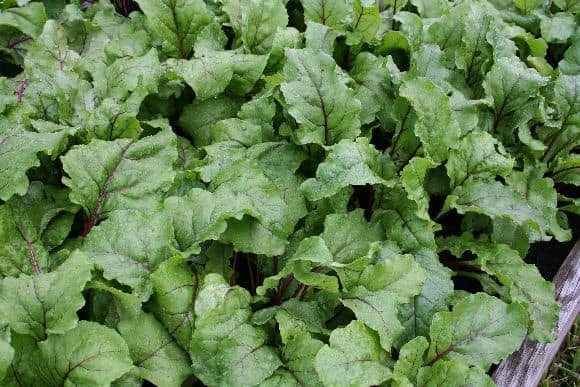
These are my favorite spring greens to grow and enjoy. Add yours in the comments, below!

 

Filed Under: Vegetable Gardening

Previous Post: « How Seven Oaks Got Its Name
Next Post: Wildflowers in Virginia »

Footer

a wheelbarrow with bag of soil, trowel, pots and plants

Understanding Fertilizer: A Complete Guide for Home Gardeners

Understanding fertilizer is an important skill for beginning gardeners. In this guide, I’ll walk you through the basics. By the end of this article, you’ll understand fertilizer, what it is and what it does, and how to use it appropriately in the garden. Introduction: Why We Use Fertilizer in the Garden . Plants absorb nutrients…

Read More

red lettuce, mexican tarragon, and chard

The Best Organic Fertilizers

If you’ve been looking for ways to help your garden truly thrive — not just survive — organic fertilizers might just become your new best friend. They’ve become a cornerstone of sustainable gardening and farming, and for good reason: they don’t just feed your plants, they actually improve the health of your soil over time….

Read More

water droplets in sunbeams over a raised bed vegetable garden

Irrigation Tips for Home Gardens: Drip vs. Soaker Hose

Watering is one of the most essential tasks in maintaining a healthy home garden, yet it is also one of the most misunderstood. Many gardeners rely on overhead sprinklers or hand-watering, both of which can waste water and fail to deliver moisture efficiently to plant roots. Two of the most effective alternatives are drip irrigation…

Read More

chive plants in bloom with lettuce

The 10 Easiest Herbs to Grow

Grow them in pots, containers, window boxes, raised beds, or tucked among your flowers. These are the 10 easiest herbs to grow in almost any temperate garden. They take up little space, are generally unfussy, and are used in lots of recipes. What Do I Need to Start an Herb Garden? You don’t need a…

Read More

  • About
  • Plant a Row for the Hungry
  • Awards
  • Privacy Policy

Let’s Connect!

  • Facebook
  • Instagram
  • Pinterest
  • Substack
  • YouTube

Copyright © 2026 Home Garden Joy on the Foodie Pro Theme