• Skip to primary navigation
  • Skip to main content
  • Skip to footer
Home Garden Joy
  • Home
  • Gardening
    • Butterfly Gardens
    • Home Garden Tips
    • Seed Starting
    • Compost and Fertilizer
    • Raised Bed Gardening
    • Tools & Equipment
    • Pests & Problems
  • Plants
    • Plant Profiles
    • House Plants
    • Vegetables
    • Fruit
    • Herbs
    • Growing Flowers
  • Garden to Table
    • Easy Recipes
    • Canning and Food Preservation
  • Seasonal Living
    • Home for the Holidays
    • Birds and Wildlife
    • Vintage Finds
  • Shop
    • Books for Christian Herbalists
    • Herbalism Classes
    • Books by Jeanne Grunert
  • About
    • Privacy Policy

Vegetable Garden Progress

October 22, 2008 by Jeanne

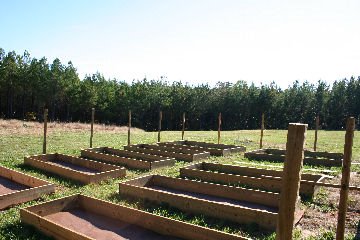
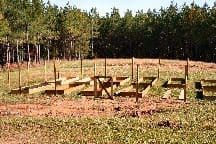
This is what the vegetable garden progress looked like in 2008 when we built our raised bed vegetable garden.
Vegetable Garden Progress

Ever wonder what 29 TONS of compost looks like? The first picture shows 29 tons, delivered last week by Tom Hertzler. When I told my sister we had a tractor trailer truckload delivered she just couldn’t picture it. And I think she wondered why we need it! Now that you can see the progress on the production garden you’ll know why. The soil here is clay – hard, red, nasty clay, with some lumps of undefinable gray rock thrown in and beautiful glistening crystal quartz gems. The quartz is astonishing in its color, clarity, and splendor. We have one six-sided crystal on the mantle in the library. But the soil…after 20 years of loblolly pine, construction on the house, and probably pasture and tobacco growing before the loblolly, the soil is devoid of life. I had it tested and the test results were the worst I’ve ever seen! The pH was something like 3, soil fertility less than 1 percent, and so few nutrients. Poor soil!
If you also have lousy soil, build raised beds. Raised beds enable you to fill them with black gold goodness and grow wonderful vegetables. Each of the raised beds in the pictures above are destined for either herb, root crops, or above ground crops. We are filling them with a mixture of 50% compost, 40% topsoil from the garden center, and 10% peat moss. The untreated beds in the front are made with standard pine lumber and will be used to grow root crops and medicinal herbs. The remaining pressure treated lumber beds are destined for green goodies like spinach and Swiss Chard, my two favorite green vegetables; broccoli rabe, which you can’t find anywhere in Virginia; beans, including some heirlooms I’ve been dying to try; watermelon and cantalope; corn; tomatoes; peppers; eggplant; and if I’m brave enough, onion sets, summer and winter squash.
I transplanted one poor potbound oregano into the new herb bed. That’s the green shrubby-thing. Next year, I hope the pictures show it overflowing!
Note the ‘garden gate’ John made. It has the cross piece. Once we get the beds filled with compost, the deer netting goes up on the 8 foot tall posts, the gate is put in place, and hopefully I won’t be feeding the critters.
Filed Under: Vegetable Gardening

Previous Post: « Day 2 of the Production Bed Construction
Next Post: Vegetable Garden Takes Shape »

Footer

a red knockout rose

June Gardening Tips: Everything You Need to Do in Your Garden This Month

I’m sharing these June gardening tips for gardening zone 7B. However, you can easily adapt them to your gardening zone. June is one of those months that feels like there’s so much to do in the garden you don’t know where to start. Fortunately, nature gives you extra-long days and plenty of sunshine! Whether you…

Read More

watering can with plants

Growing Ginger in the Home Garden

Growing ginger is fun. I was surprised to learn that I could grow ginger in Zone 7B, central Virginia. I attended a lecture by Ann Codrington of Nisani Farms several years ago. She discussed growing both ginger and turmeric. Her farm is in Maryland, but I discovered that both plants can be grown in both…

Read More

borage flower

Companion Planting with Herbs: Your Secret Weapon for a Healthier, Happier Garden

Every summer, without fail, I plant basil at the end of the raised beds. These are the beds filled with Roma tomatoes, the ones we harvest by the bushel to make our salt-free organic tomato sauce. My tomatoes thrive. “Did you know that basil repels aphids?” an organic gardener friend mentioned to me casually one…

Read More

a vintage folk art weather house which accurately predicts the weather

The Folk Art Weather House

I’ve loved this little folk art weather house all my life. It still makes me smile. What gardener doesn’t need to know the weather? I grew up with many German relatives. Thank-you notes were written to “Oncle Ludwig” and “Tante Marie.” During visits to their homes, I was fascinated by the little folk art German…

Read More

  • About
  • Plant a Row for the Hungry
  • Awards
  • Privacy Policy

Let’s Connect!

  • Facebook
  • Instagram
  • Pinterest
  • Substack
  • YouTube

Copyright © 2026 Home Garden Joy on the Foodie Pro Theme