• Skip to primary navigation
  • Skip to main content
  • Skip to footer
Home Garden Joy
  • Home
  • Gardening
    • Raised Bed Gardening
    • Month-by-Month Gardening Tips
    • Seed Starting
    • Compost and Fertilizer
    • Butterfly Gardens
    • Tools & Equipment
    • Pests & Problems
    • Birds and Wildlife
    • Home Garden Tips
  • Plants
    • Plant Profiles
    • House Plants
    • Vegetables
    • Fruit
    • Herbs
    • Growing Flowers
  • Recipes
    • Easy Recipes
    • Canning and Food Preservation
  • Books & Classes
    • Books for Christian Herbalists
    • Herbalism Classes
    • Books by Jeanne Grunert
  • About
    • Privacy Policy

The Amaryllis Bulb, Week 4

December 9, 2013 by Jeanne

Amaryllis Bulb, Week 4

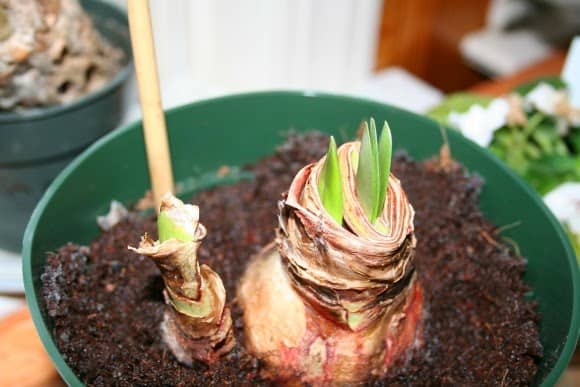
It’s week 4, and my amaryllis bulb continues to grow so slowly it’s almost imperceptible to the naked eye. I feel like I need one of those time-lapse cameras set up so I can actually see it’s progress.

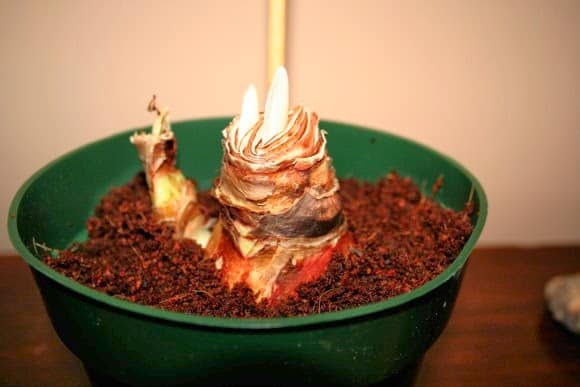
Maybe I do have a time-lapse camera of sorts. Let’s look at it week by week and compare the photos.
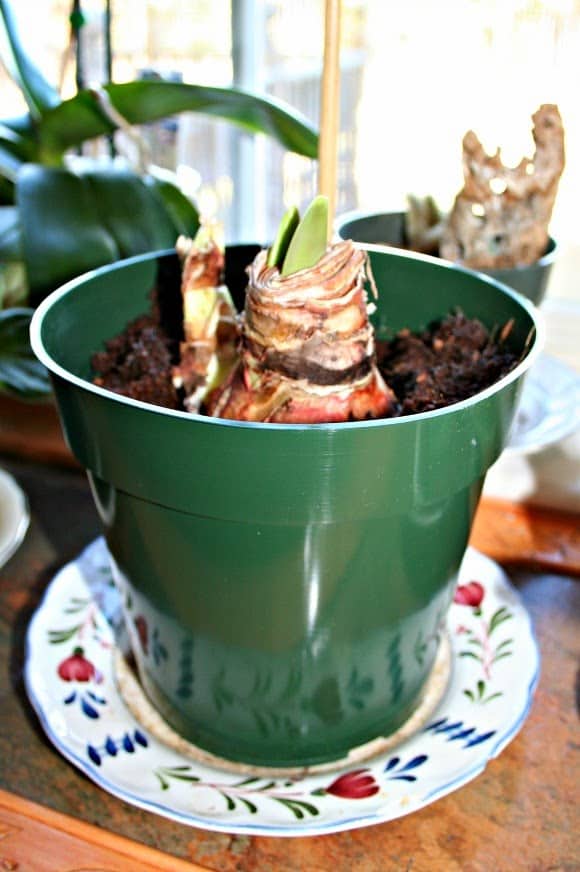
Week 1: very pale and washed out looking.


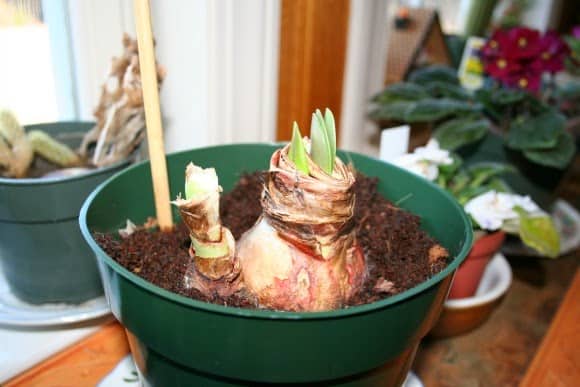
Week 2


Week 3


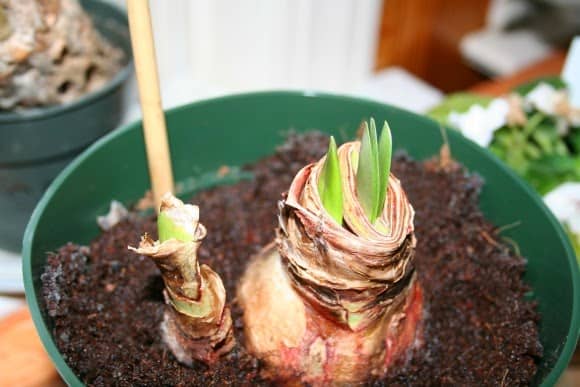
Week 4 (Today)

Here’s what I notice:

  1. The foliage growth (the four central, pointy stalks) are continuing to grow very slowly. They are also darkening, with a pale pink-red flush to the central one. Maybe that’s the bud? I hope so!
  2. The side stalk now appears to be growing again. That was the one damaged when Whitey the cat decided to uproot my bulb.
  3. It’s growing very, very slowly, much more slowly than in years past. I am a bit concerned that the bulb is rotting in the coir-based potting soil that came with the kid. However, this year’s experiment is to grow the amaryllis bulb kit exactly as indicated on the box, to test it out. So I am sticking with the plan and will continue to tend to the kit as indicated.
I tried looking up “amaryllis bulb problems” and similar searches to see if anyone else has issues with slow-growing bulbs. The only thing I found that obliquely addressed my problem was a question about bulbs producing plenty of foliage but no flowers. Apparently there are some duds out there that never set blossoms. These are packaged anyway, as the grower has no way of knowing if the bulb has set a flower the prior year. So you can indeed purchase a kit that doesn’t produce a flower.
During my research, I found an excellent paper on growing amaryllis bulbs from the North Dakota cooperative extension office.  You can download a copy of Growing the Delightful Amaryllis from their website.
Am I watering the bulb too much? Is it too cold in the plant room? Is the lower light affecting its growth? I’m not sure. It will be interesting to see what Week 5 holds for my plant.
Filed Under: House Plants, Thanksgiving & Christmas

Previous Post: « Throwback Thursday: Christmas Tree Memories
Next Post: How to Tell the Difference Between Fir, Spruce or Pine »

Footer

Summer savory is an annual herb that was once used just like pepper.

What Is Summer Savory? A Friendly Guide to This Under‑Appreciated Herb

Many years ago, my friend Allie gave me a few summer savory seeds. I think we swapped them for plants. I do remember wondering what summer savory is, as I had never seen it in the grocery store. So why grow it? What’s the big deal? Summer savory is now a staple of my summer…

Read More

watering can with plants

July Gardening Tips: How to Keep Your Garden Thriving All Month Long

July brings long, sunny days and plenty of garden rewards—but also rising temperatures that can stress plants, pollinators, and gardeners alike. With a few smart adjustments to your routine, you can keep your garden healthy, colorful, and productive all summer. Here are our top July gardening tips to help you make the most of the…

Read More

yellow bearded iris "Lemon Pledge"

How to Ship Iris Rhizomes – Sharing Is Half the Fun!

How to ship iris rhizomes (bearded iris) correctly is a simple skill, and one worth learning if you’re interested in pass-along plants. When I was a girl, it was common for neighbors to share plants. Someone would divide their peonies or iris and offer a portion to a neighbor. These “pass-along plants” came with stories,…

Read More

herbal academy course photo

Natural Remedy for Tick Bite: New Course

The Herbal Academy has just launched a new course called “After the Bite: What You Need to Know About Tick-Borne Diseases.” This course features a natural remedy for tick bites and supportive herbal care after the bite. As someone who was seriously ill ‘after the bite’ – and didn’t even realize a tick had sent…

Read More

  • About
  • Plant a Row for the Hungry
  • Awards
  • Privacy Policy

Let’s Connect!

  • Facebook
  • Instagram
  • Pinterest
  • Substack
  • YouTube

Copyright © 2026 Home Garden Joy on the Foodie Pro Theme