
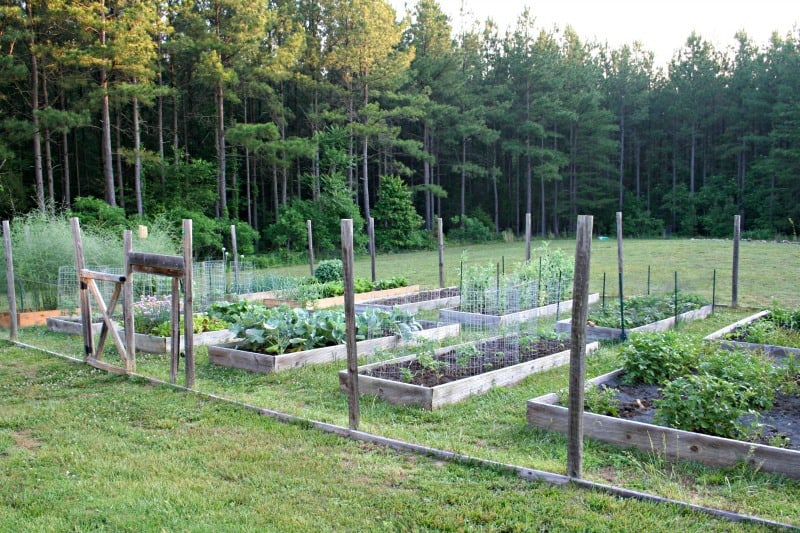
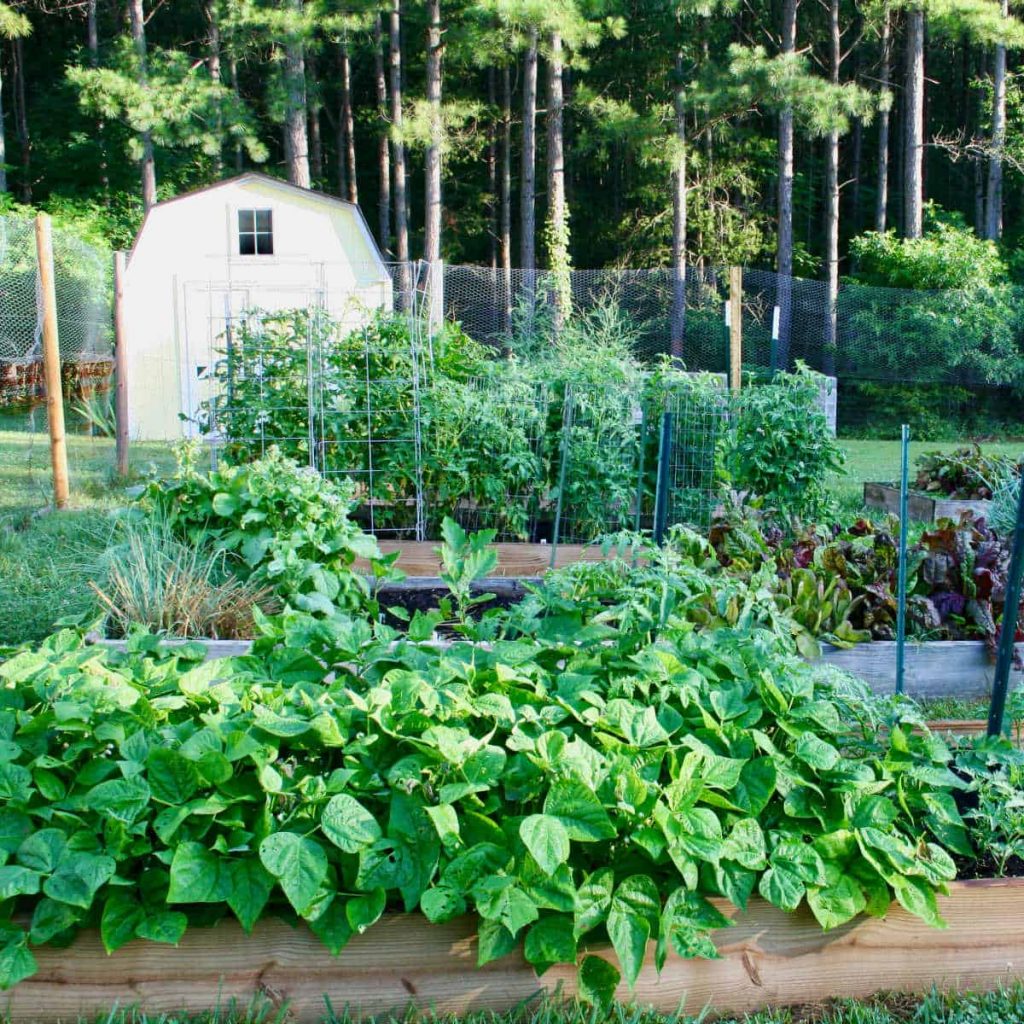
If you’re thinking about building a vegetable garden this year, raised beds are one of the best ways I know of to start a vegetable garden. Instead of renting a rototiller or hand-digging the soil, adding amendments and turning it all under to create a good garden bed, you start with the best soil mixture you can afford. The growing season may be a little longer, as I’ve found that raised beds tend to hold heat better than ground-level beds. You can place trellis, hoops and supports over the bed to grow crops such as squash, cucumbers, vine-grown beans, peas, and other similar crops.
Drawbacks to Raised Bed Gardening
Are there any drawbacks to using raised beds? A few. The biggest drawback is the cost. You’ll need to purchase lumber or a kit to build the bed. Soil must be added. And, of course, plants, seeds, tools, and irrigation are needed, too.
A friend of mine just messaged me over the weekend to tell me that her husband brought home the materials for her first raised bed garden – over $1,000 in lumber and supplies. It’s an investment for their large family, but one that she thinks will pay off in the dividends of fresh vegetables and herbs. I think so, too.
Location for a Raised Bed Garden
Choosing the right location for your raised bed garden is crucial for the success of your vegetables and other plants. One of the most important factors to consider is sunlight. Most vegetables require at least six to eight hours of direct sunlight daily to thrive. Look for a spot in your yard that is unobstructed by trees, buildings, or fences that might cast shadows. If your chosen location has partial shade, you might still be able to grow leafy greens like lettuce and spinach, but fruiting vegetables like tomatoes, peppers, and zucchini will struggle without sufficient light.
Proximity to a water source is another key consideration. Raised bed gardens need regular watering, especially during the growing season when the soil tends to dry out faster than in-ground gardens. Placing your garden close to a hose or an outdoor water faucet can save you time and effort. If running a hose isn’t convenient, consider installing a rain barrel nearby to collect water for irrigation. Having an accessible water source ensures your plants stay hydrated and healthy.
You should also think about the drainage and soil conditions of the location. While raised beds typically improve drainage, avoiding areas prone to standing water after rain is still best. Good drainage helps prevent root rot and other moisture-related issues.
Additionally, take into account the convenience of accessing your raised beds. Ideally, you want a location that is easy to reach from your house or garden shed, so you can tend to your plants without much hassle.
Lastly, consider protection from strong winds and pests. If possible, position your raised beds near a windbreak, like a fence or hedge, to shield your plants from gusts that could damage them. However, avoid placing your beds too close to trees or shrubs, as their roots might compete with your vegetables for nutrients and water.
By keeping these considerations in mind, you can choose the perfect location for your raised bed garden and set yourself up for a successful and productive growing season.
Pathways Between Raised Beds
For pathways between raised beds, the recommended width is at least 2 to 3 feet (60 to 90 cm). This allows for comfortable movement, especially if you’ll be using a wheelbarrow, cart, or other gardening tools. If accessibility is a concern, such as for wheelchair use, pathways should be wider—around 4 feet (120 cm)—to provide ample space.
As for what to use on the pathways, it depends on your priorities like appearance, cost, and weed control. Here are some common options:
- Mulch (wood chips or straw): These are natural, affordable, and provide good weed suppression. However, mulch may need to be replenished over time as it decomposes.
- Gravel or crushed stone: These materials create a durable and low-maintenance path. They offer excellent drainage but might not be as comfortable to kneel on.
- Pavers or bricks: For a clean and permanent look, pavers or bricks are a great choice. They require some effort to install but are long-lasting and easy to clean.
- Weed barrier fabric topped with bark or straw: This combination effectively reduces weed growth and is relatively simple to set up.
- Grass or lawn: Maintaining grass between beds can look attractive, but it requires regular mowing and may lead to invasive roots spreading into your beds. I chose this for my raised beds here in south central Virginia. The grass keeps the area cooler – I feared stones would reflect too much heat. I have to mow the paths weekly, but it is generally low maintenance.
For a vegetable garden, practicality is key. Mulch or gravel are popular choices as they provide good drainage, are easy to install, and minimize maintenance. Whichever material you choose, ensure the pathways are level and free of tripping hazards for safe and easy navigation while gardening.
Spring Is Almost Here: Start Your Raised Bed Vegetable Garden
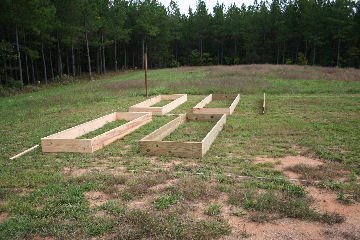
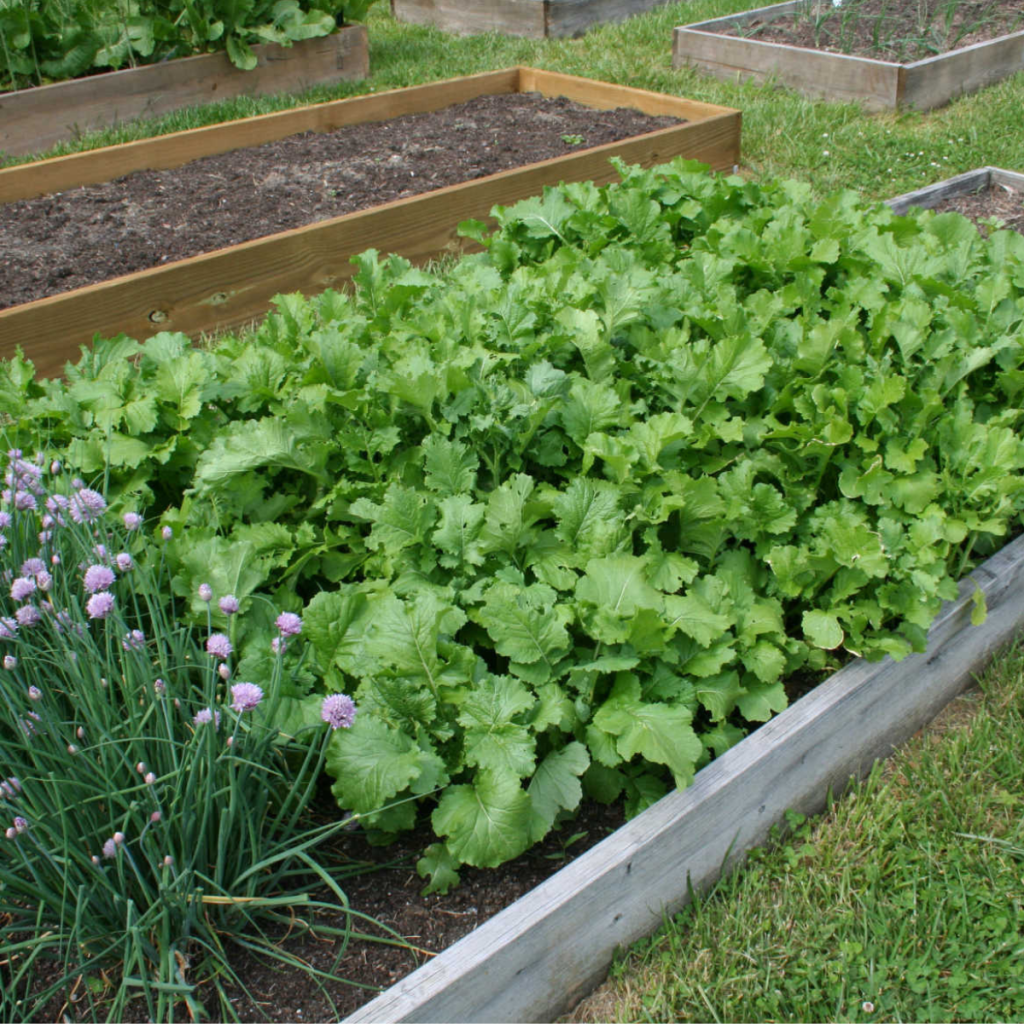
Here at Seven Oaks Farm, we’ve replaced the second of three untreated lumber raised beds in the vegetable garden. We add homemade compost and mushroom soil or compost to each several weeks before planting the spring crops.



My condo association put in raised beds that I’ve been using for several years now. The wood is beginning to warp and weeds are coming through all along the perimeter. I don’t think they installed them the recommended way or used the right materials. We are reviewing ways to replace them so your post is perfectly timed. Thank you for sharing your resources!
Those are some great advice, Jeanne. Home grown vegetables are the best.Thank you for sharing your knowledge on raised bed gardening.
Great tips!! The soil at my home is like clay, so we have to do raised beds. It works great! #HomeMattersParty
I really want to do herbs and simple to grow veggies this year. We are renting so I don’t think we can do a raised garden, so I’m looking into growing things out of pots. Can’t wait to own so I can plant a full garden! Pinning for later!
You can grow quite a lot in pots and containers. I gardened for 8 years in an apartment with only a patio and about 8 planters. You can grow tomatoes, peppers and more. I even grew melons!
Such a great post! I’ll have to share some photos of my Dad’s garden with you. I am really proud of him. He has about 10 raised beds & a little farm with chickens, rabbits, etc. I am learning so much from you! #HomeMattersParty
Spring is here and we are getting ready to do battle in the yard… herbs and veggies are definitely on our list. These are great tips. Our roses and clivias are already blooming like crazy! So pretty. 🙂
~Lorelai
Life With Lorelai
Isn’t another drawback of a raised bed the more frequent necessity of watering? I have two herb garden planters on stilts and they need lots of water. I grew a garden with my mom all my growing up years but it was huge, no raised planters there!