I am against using homemade weed killers except on sidewalks and driveways. Homemade weed killers can cause more harm than good and damage soil and plants.
Homemade Weed Killers – Pros and Cons
Homemade weed killers generally use a combination of salt, white vinegar, water and perhaps dishwashing liquid to desiccate weeds.
Desiccate means to dry up. Desiccating substances saturate the soil and sometimes the leaves of weeds and prevent the plant from absorbing water.
Homemade weed killers use salt (a natural desiccant) and vinegar (which burns through low pH) to dry up the weeds and kill them.
- Pros: Weed killer is easy to make at home. You probably already have the ingredients on hand to whip up a batch now. They do not poison wildlife or pets and are safe to use around children.
- Cons: Weed killers applied to garden soil can soak the soil with salt. Remember how in ancient times armies would sow field with salt to starve the population? Salt kills all plants, not just weeds. If you apply homemade weed killers around garden plants, you may accidentally kill the plants as well as soak the soil with chemicals, albeit natural ones, that can prevent all plant growth – not just weeds.
Where to Use Homemade Weed Killers
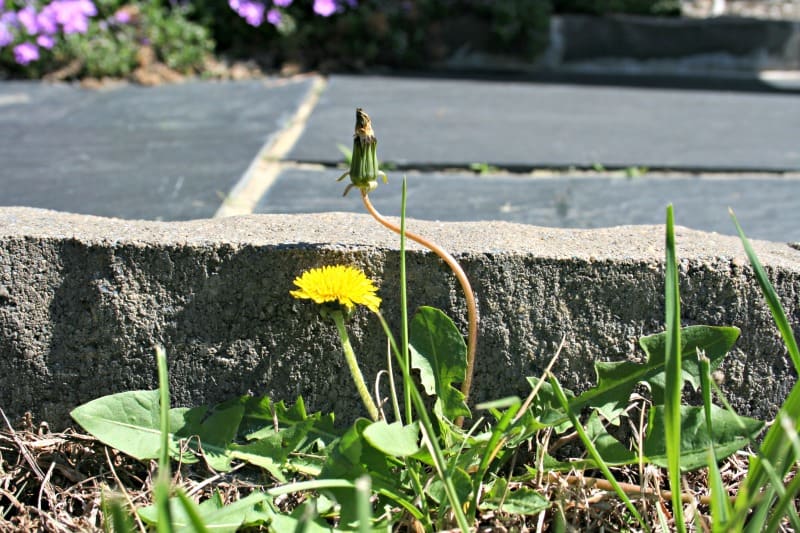
I’ve used homemade vinegar and salt weed killers on driveway and walkway weeds with good results. However, I’ve seen far too many posts lately and questions on forums from well-intentioned people looking for homemade weed killers and getting the recipes all mixed up (cider vinegar and Epsom salts are just one thing I’ve seen that’s pure nonsense) as well as using weed killer indiscriminately in the garden.
It’s time to stop, think, and learn. Anyone interested in good gardening practices should understand the basics of plant growth. This will help you choose the best weed control method for the job.
Organic Alternatives to Weed Killers
Nobody likes weeds. They make garden beds unsightly and they absorb nutrients and water from soil.
So how do you control weeds without spraying weed killers?
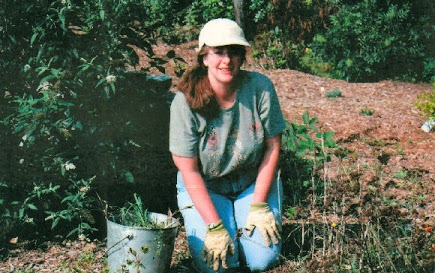
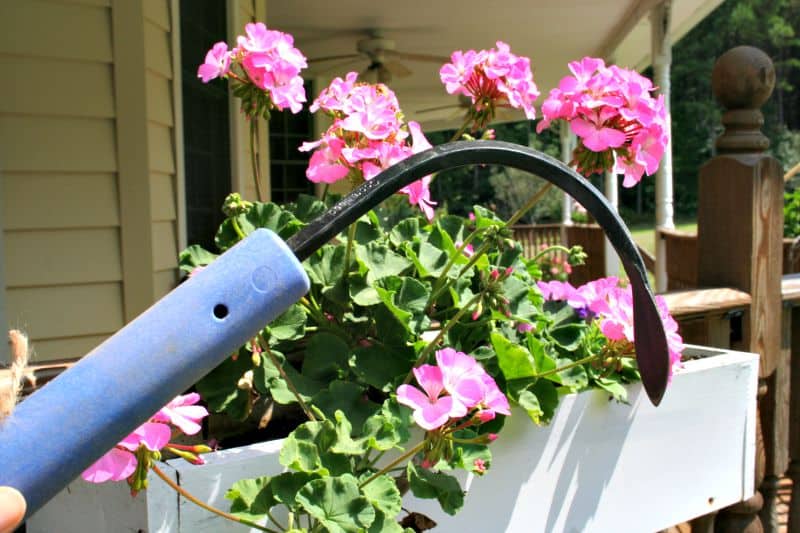
- Pull them out by hand: With the right tools, pulling weeds by hand isn’t as bad a chore as it’s made out to be. (I get a pass on that statement because I have huge gardens and yes, I do complain about pulling weeds. But when I lived in an urban and suburban environment, pulling weeds by hand took less than an hour – tops – per week1). Wear heavy gardening gloves and use a tool like the Cobra Head weeder, my go-to tool for all kinds of weeds. It’s a sturdy gardening tool that helps you get at deep-rooted weeds like dandelion, matted weeds like chickweed, and all types of unwanted plants.
- Use organic pre-emergents: A pre-emergent is a product that prevents weed seeds from germinating. Corn gluten meal offers natural pre-emergent weed prevention for crabgrass and a variety of weeds.
- Add landscape fabric or cardboard: I have used both commercial weed barrier or landscape fabric around ornamental plants and thick slices of cardboard and both worked well for about two years to suppress weed on newly planted areas. Cardboard actually worked better because not only did it suppress weeds it encouraged organic activity under the soil; there were plenty of lovely earthworms there when the cardboard finally disintegrated, something I had not seen under the landscape fabric. Put these materials down first, then cut holes in them to plant your plants.
- Hay or straw: Vegetable gardens benefit from a thick layer of clean (seed free) hay or straw. Not only does it suppress weeds it also adds organic material to the soil as it breaks down and prevents moisture evaporation which adds to the overall water available to the plants.
What About Epsom Salt?
Epsom salt is NOT SALT. It is magnesium sulfate, which will add magnesium to your soil but will NOT KILL WEEDS.
It is called a ‘salt’ because it looks like salt. The crystals do resemble sodium chloride (table salt) but they are chemically different.
What About Apple Cider Vinegar?
Again, it’s a vinegar, which means it is highly acidic. However, it’s a lot more expensive to use than plain distilled white vinegar. Your choice but I save my apple cider vinegar for salad dressing and use white vinegar to clean cat boxes when I wash them out (it’s a great natural cleaning agent) and for the rare occasion when I do need it for homemade weed killer.
I don’t want to discourage anyone from trying natural remedies – goodness knows, that would be hypocritical of me. But before you try any natural remedy, I urge you to research it. Understand how and why it works and any cautions about using it. Just because something is natural doesn’t mean it is completely safe!