• Skip to primary navigation
  • Skip to main content
  • Skip to footer
Home Garden Joy
  • Home
  • How to Garden
    • Garden Pests
    • Plant Diseases
    • Raised Bed Gardening
    • Seed Starting
    • Tools & Equipment
  • Plants
    • Plant Profiles
    • Vegetables
    • Fruit
    • Herbs
  • Recipes
    • Canning and Food Preservation
  • Books & Classes
    • Books by Jeanne Grunert
    • Books for Christian Herbalists
    • Herbalism Classes
  • About
    • Privacy Policy

Easy Tips to Grow and Enjoy Escarole

July 9, 2019 by Jeanne

Have you ever tried escarole? This leafy green vegetable with a slightly bitter flavor is related to endive and chicory. It makes a great addition to soups or use it as a salad green on its own.
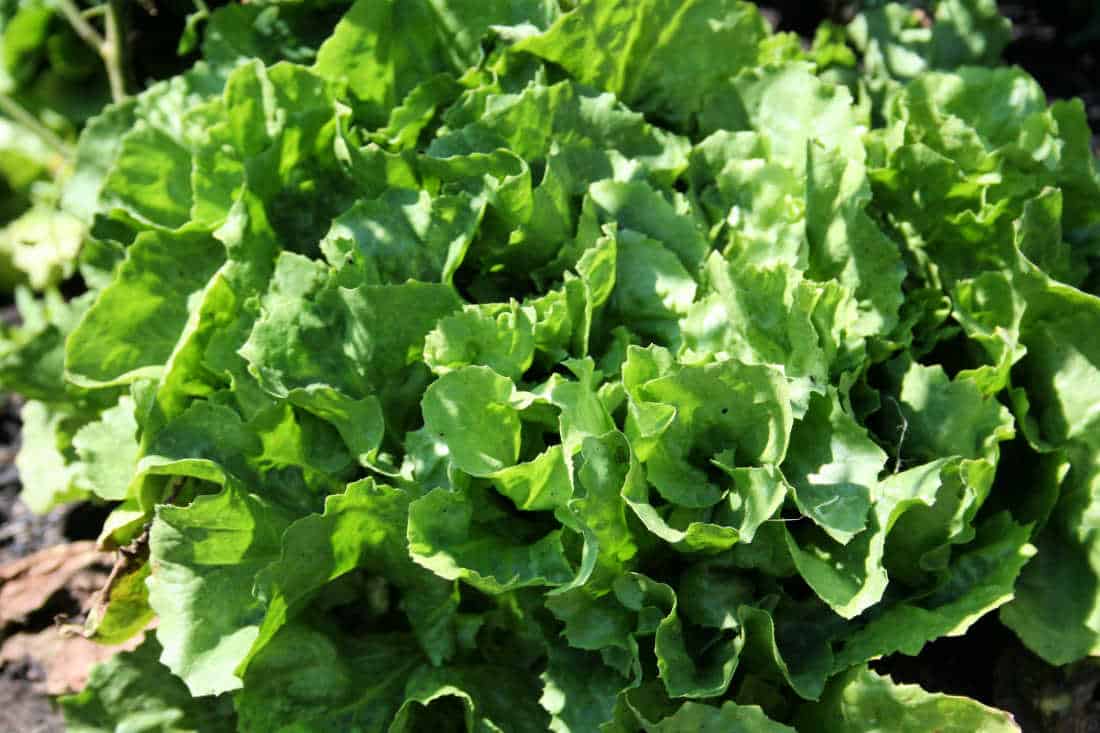
a picture of escarole or endive

What Is Escarole?

Escarole (pronounced ESSS-kah-roll) (sometimes called endive) is a cool weather vegetable from Italy. It’s versatile, nutritious, and heat resistant. I had to pull up and compost the remaining Romaine lettuce today but the escarole is still going strong, which tells you a lot about its heat resistance. If it can withstand Virginia’s July weather, it’s slow to bolt, that’s for sure.

This vegetable offers a very versatile plant that can be enjoyed raw as a salad vegetable or cooked and used in a variety of traditional Italian rescipes.

Nutrition Information

This leafy green packs a powerful nutrient punch. A 100 gram (half cup) serving of cooked escarole provides:

  • 19 calories
  • 2.8 mg fiber
  • 0 milligrams fat
  • 19 mg sodium
  • 38% Vitamin A
  • 5% Calcium
  • 6% Vitamin C
  • 4% Iron

Plus plentiful antioxidants.

How to Grow Escarole

This was my first year growing it and it wasn’t hard. It’s very similar to growing lettuce.

  • Sow seeds early about 4 to 6 weeks before the last frost. I grew mine in raised beds, but you can also grow it in average soil. It’s not a fussy plant.
  • Plant in full sun.
  • Water regularly and thin if seedlings are too crowded.
  • Pull the entire head when you’re ready to enjoy it. Escarole matures in about 85 to 100 days, depending on the variety.

It keeps fairly well in the refrigerator. Rinse, dry, and store in the cooler section of the fridge for up to a week in a plastic bag.

I’ve noticed that very few pests bother my endive plants. Perhaps it’s the bitter taste or the fact that it is the first time I am growing it. If snails or slugs are problematic, use bait such as beer traps or copper tape placed around the plants to prevent insects from reaching the leaves.
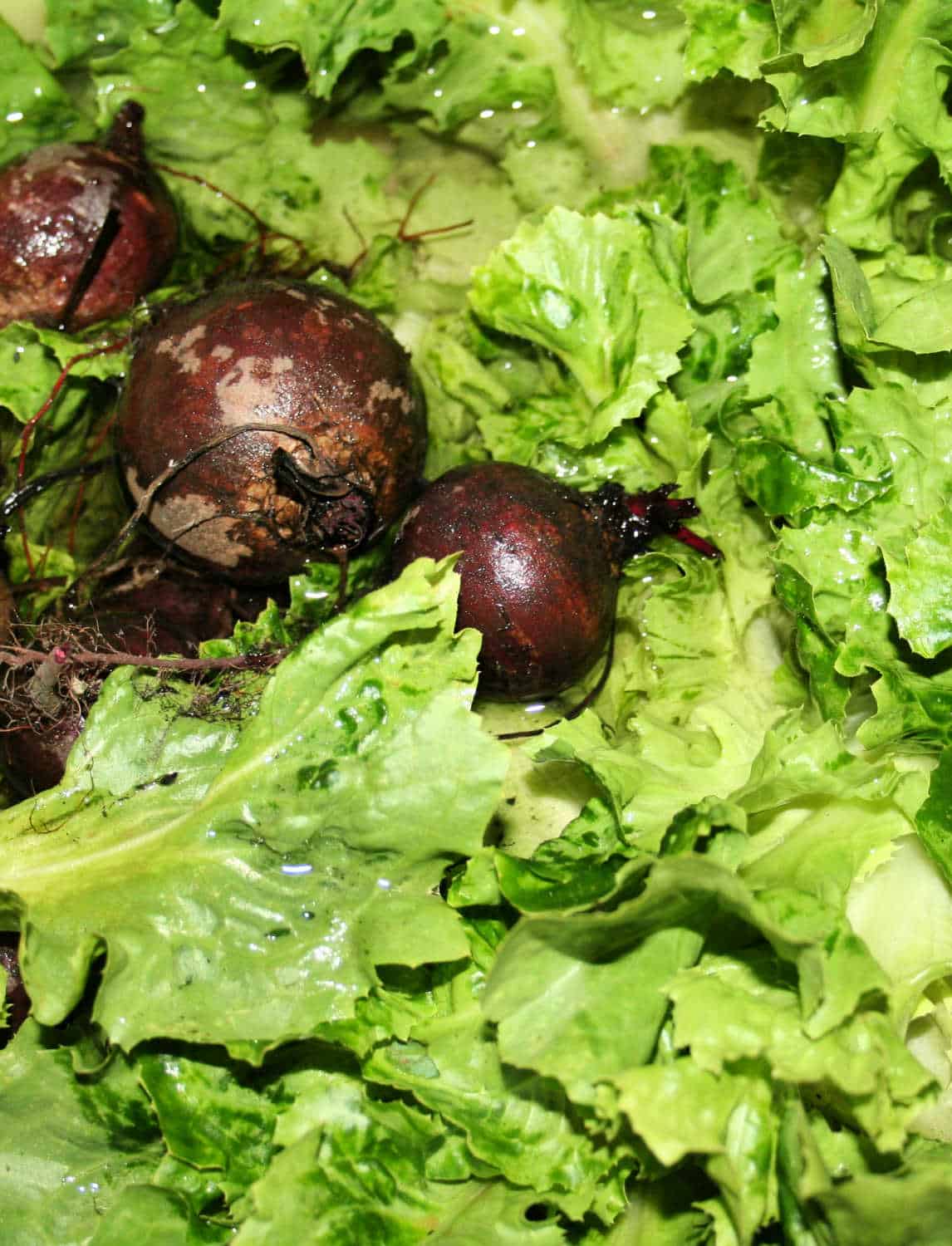
beets and endive picture

Three of My Favorite Escarole Recipes

These recipes showcase escarole as a salad green and a cooked vegetable. You can’t go wrong making any of these:

  • Beet, goat cheese, and escarole salad: This is my lunch today. I boil the beets and substitute roasted pumpkin seeds but the rest? Yes, more please!
  • Traditional escarole and beans: A classic Italian recipe. Easy to make and delicious.
  • Escarole with bacon and white beans: Use low sodium bacon and dry or no-salt added canned white beans to keep the sodium levels reasonable in this recipe.

I hope you’ve enjoyed this peek at a little known vegetable. I’m going to enjoy a big old beet, goat cheese, and escarole salad for lunch. Bon appetit!



Filed Under: Vegetable Gardening

Previous Post: « Why Scientific Names Are Important – Botanical Names of Plants
Next Post: Growing Parsnips »

Footer

a wheelbarrow with bag of soil, trowel, pots and plants

Understanding Fertilizer: A Complete Guide for Home Gardeners

Understanding fertilizer is an important skill for beginning gardeners. In this guide, I’ll walk you through the basics. By the end of this article, you’ll understand fertilizer, what it is and what it does, and how to use it appropriately in the garden. Introduction: Why We Use Fertilizer in the Garden . Plants absorb nutrients…

Read More

red lettuce, mexican tarragon, and chard

The Best Organic Fertilizers

If you’ve been looking for ways to help your garden truly thrive — not just survive — organic fertilizers might just become your new best friend. They’ve become a cornerstone of sustainable gardening and farming, and for good reason: they don’t just feed your plants, they actually improve the health of your soil over time….

Read More

water droplets in sunbeams over a raised bed vegetable garden

Irrigation Tips for Home Gardens: Drip vs. Soaker Hose

Watering is one of the most essential tasks in maintaining a healthy home garden, yet it is also one of the most misunderstood. Many gardeners rely on overhead sprinklers or hand-watering, both of which can waste water and fail to deliver moisture efficiently to plant roots. Two of the most effective alternatives are drip irrigation…

Read More

chive plants in bloom with lettuce

The 10 Easiest Herbs to Grow

Grow them in pots, containers, window boxes, raised beds, or tucked among your flowers. These are the 10 easiest herbs to grow in almost any temperate garden. They take up little space, are generally unfussy, and are used in lots of recipes. What Do I Need to Start an Herb Garden? You don’t need a…

Read More

  • About
  • Plant a Row for the Hungry
  • Awards
  • Privacy Policy

Let’s Connect!

  • Facebook
  • Instagram
  • Pinterest
  • Substack
  • YouTube

Copyright © 2026 Home Garden Joy on the Foodie Pro Theme