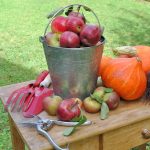
Fall is the time for mums, for pumpkins, and another round of pansies — for soft golden twilights and leaves crunching underfoot. September is the last month here in zones 6 and 7 when the garden is still lush and full.
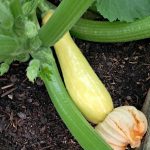
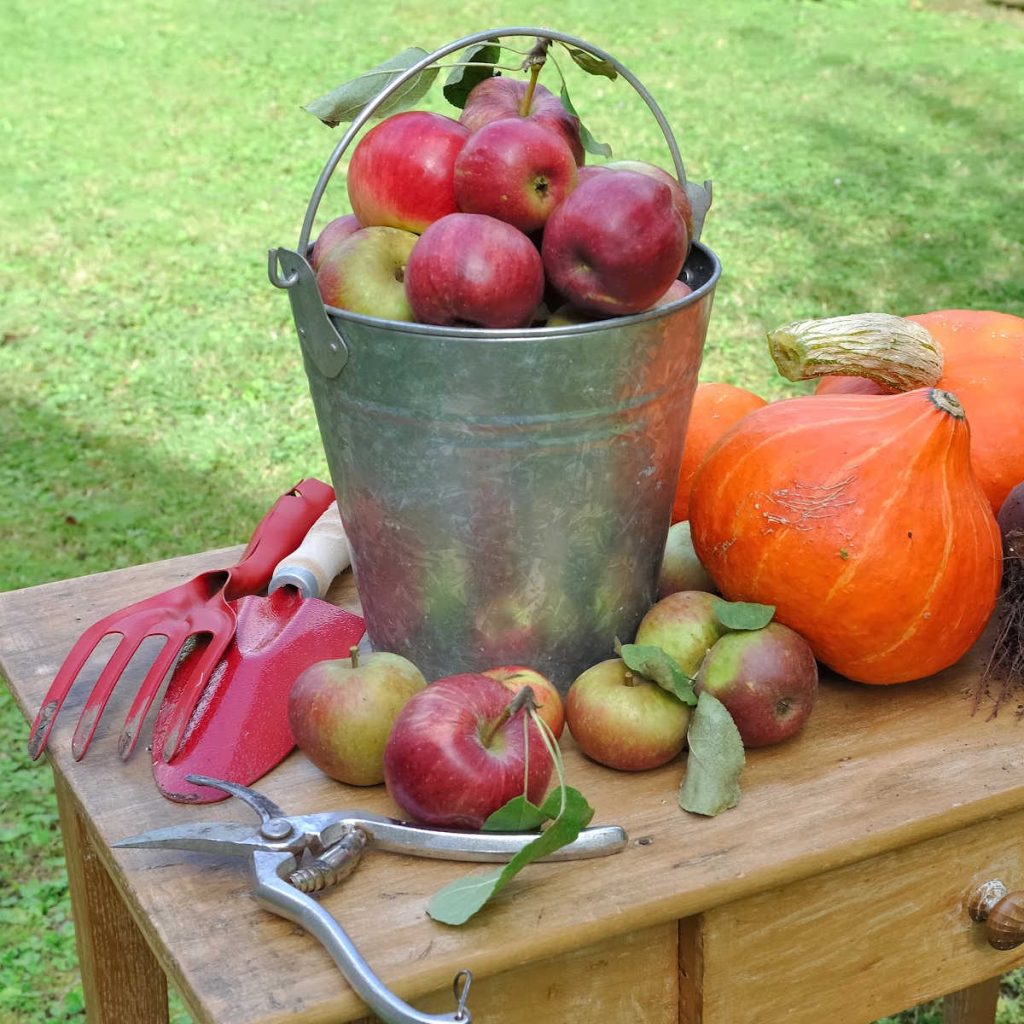
We’re harvesting the last of the tomatoes here at Seven Oaks, my farm near the Blue Ridge Mountains, along with peppers and summer squash. This year, we planted kale, lettuce, cabbage, radishes, bok choi, and tsat soi, something billed as “Chinese vitamin plant.” Sounds like my stir-fries will be interesting this fall. The apples are harvested and stored, and we’re back to weed control throughout the perennial beds.
September Gardening Tips
- Stay on top of the weather. Find a weather report on television, radio, or the internet that you trust. This is hurricane season along the Atlantic seaboard, and August and September are the most active months. Learn basic hurricane preparation tips from the American Red Cross, and take steps now to secure your family, pets, and home against possible storms.
- Watch for frost, too. In addition to hurricanes and storms, keep an eye on the temperature forecasts. If a frost is predicted, take steps to protect tender annuals if you want to extend the season.
- Harvest the last of the warm-weather vegetables: tomatoes, peppers, eggplant, and green beans.
- Harvest root crops: sweet potatoes, potatoes, beets, and carrots.
- Hold off on a few crops until after the first frost or two. Broccoli, Brussels sprouts, and parsnips actually taste sweeter once they’ve been touched by frost.
- Clean up as you go. When vegetables are finished, remove the plants from the garden and either compost them or throw them away. Shake the soil off the roots back into the garden bed.
- Turn the compost one last time before fall settles in.
- Finish ordering spring-flowering bulbs — daffodils, tulips, crocus, and others.
- Move any perennials now, before the weather turns too cold.
- Divide and replant daylilies.
- Plant fall annual flowers: mums, cool-weather pansies, and ornamental cabbage.
- Mulch your plants. Place a layer of mulch around each plant in a circle. Mulch prevents heaving — the freezing and thawing of the soil — and helps plants retain moisture near the roots, where they can actually use it.
- Keep watering if your area isn’t getting enough rainfall.
Birds and Wildlife
- Start feeding the birds again if you took your seed feeders in for the summer. Make sure the feeders are clean first; a general, all-purpose seed mixture works well for most wild birds.
- Take down hummingbird feeders once you notice the liquid levels staying the same for at least two weeks. I often still see a stray hummingbird or two in the gardens at Seven Oaks into October, as they finish their migration to Mexico and Central America.
September is a month of transition in the garden — equal parts last harvest and first preparation for the season ahead. Take care of these tasks now, and you’ll set both your garden and your local wildlife up for a smoother fall.