Growing tatsoi (Brassica rapa subsp. narinosa (sometimes listed as Brassica rapa var. narinosa) offers fresh, leafy greens in USDA hardiness zone 7b throughout the fall and possibly the winter. Tatsoi isn’t sold in my local Kroger, Food Lion, or Walmart Super Center, but it’s easy enough to grow, and so delicious, that I plan to keep some growing as long as I can. If you’ve never heard of tatsoi, you’re in for a treat. This is an Asian vegetable that’s easy to grow, delicious, frost-resistant, and super nutritious. What more can you ask for from a vegetable?
Tatsoi: Plant Profile
Name: Tatsoi
Botanical Name: Brassica rapa subsp. narinosa (sometimes listed as Brassica rapa var. Narinosa
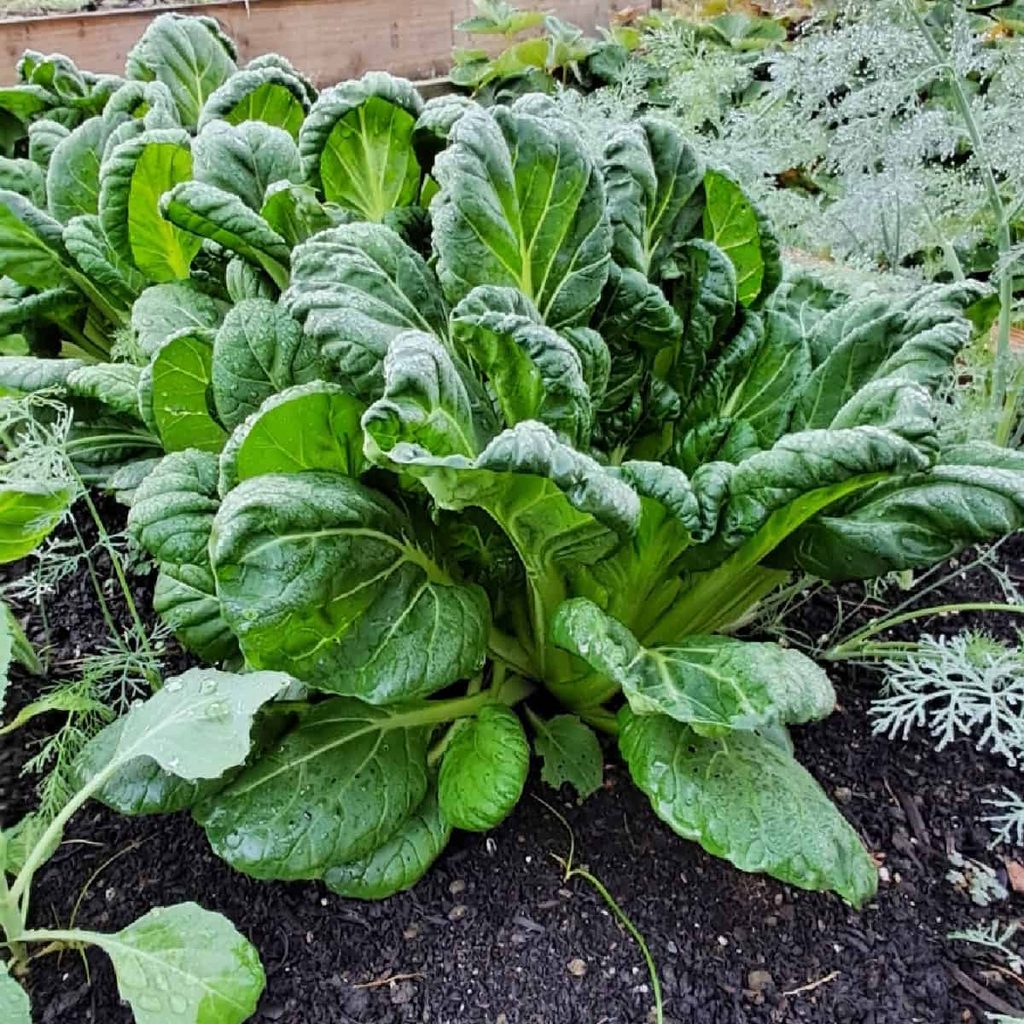
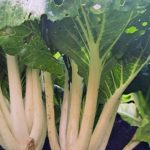
Common Names: This one has about a zillion common names in China, Japan, and other Asian countries where it is popular. My favorites: vitamin plant, spoon plant, drooping mustard, spinach mustard, and drooping leaf plant. These names come from its growth habit. It is related to bok choy, and the leaves look and taste similar to bok choy. But unlike bok choi, tatsoi does not grow long celery-like stems. Instead, the leaves form a rosette of spoon-shaped leaves near the plant’s central stem and close to the ground. This gives the plant its nicknames, and it also helps it withstand cold weather better than many other vegetables. Because soil retains heat, and reflects heat, the plant can stay a few degrees warmer than the surrounding air.
Soil Requirements: Tatsoi prefers rich, fertile, well-drained soil with a pH of 6.0-7.5. Like many leafy greens, adding a high concentration of organic matter (compost, aged manure) promotes rapid growth and tender leaves. Incorporate plenty of compost before planting.
Light Requirements: Full sunlight, but in the south, it can tolerate partial shade.
Water Needs: Keep soil moist for best growth. Mulch can help retain water in the soil.
Fertilizer: It’s not a heavy feeder, and does fine with soil amended with compost.
Growing Tatsoi in Virginia
Growing tatsoi was part of my experiment this year. I received the book, “Grow Your Own Chinese Vegetables” by Gerri Harrington, for Christmas, and I decided to try three: napa cabbage, bok choi, and tatsoi. Among these three, tatsoi’s reputation as a ‘vitamin superpower’ intrigued me. As a nutritarian, I am always interested in the nutritional qualities of what I grow, and it’s one of the primary reasons I grow my own food: to have healthy, nutritious, organic vegetables always at the ready.
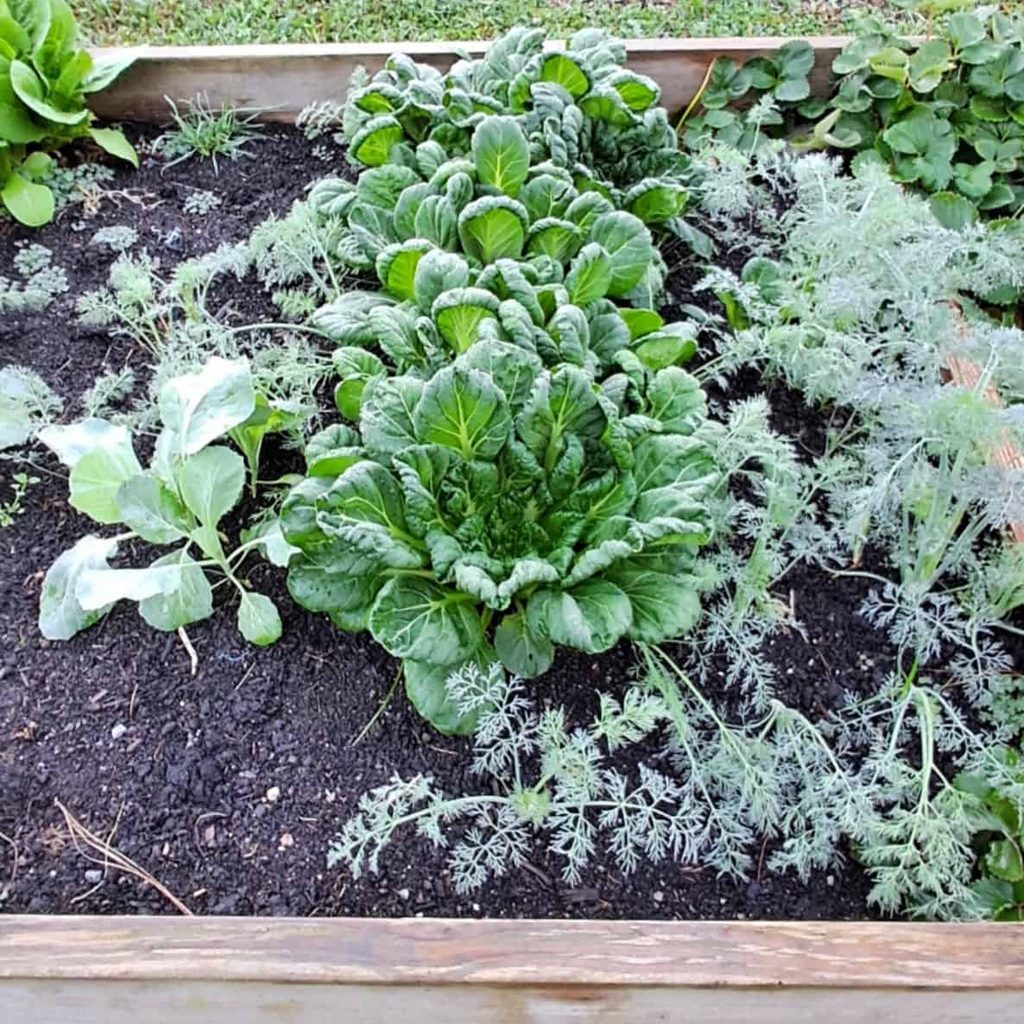
Tatsoi was super easy to grow! I literally forgot I had planted it. My husband tucked a row of seeds next to the kale when we sowed the fall leafy greens, and we promptly forgot about it until he went to pick the lettuce. “What’s this thing?” he asked, puzzled by the sort-of-bok choy looking leaves. It took me a minute to realize it was my vitamin plant – tatsoi – very happily growing without any special care at all.
Growing Tatsoi from Seeds
I purchased tatsoi seeds from Amazon (Home Garden Joy is an affiliate, and if you buy using my link, I receive a small commission.) I grew Sow Right seeds, “Black Knight” tatsoi variety, and I highly recommend it. The germination rate was excellent, the plants very healthy and hardy, and the taste, excellent.
I grew tatsoi as a fall crop, and I think in warm zones like mine (Virginia zone 7b) that’s probably the best idea. It dislikes hot weather, and prefers it cool, so a late August – early September sowing was perfect. Sow seeds directly in the garden, about ¼ inch deep and five to six inches apart. Keep the soil moist to ensure good germination and healthy plants. I watered once a day until late September when we took the sprinklers inside. Now, I use the hose, and give it a good drink every three days unless we get rain. It is doing fine.
Frost Tolerance
Tatsoi is supposed to be extremely cold tolerant, growing well between 40 – 70 degrees F and tolerant into the 20s F. I am hopeful it will resist the impending frost. Frost is late this year, usually occurring around October 15-30 in my zone. This year, we will likely have a hard frost around November 15. If the tatsoi survives, I will be quite pleased, as we can enjoy what we have for many weeks to come. It will be great for fall and winter vegetable gardening.
Harvesting and Cooking Tatsoi
One of the great things about growing green, leafy vegetables like tatsoi is that it is great raw or cooked. Harvest the leaves when they are about one to two inches long. Dice or shred the leaves and add them to salads. Or, add them to stir fries. I have done both, and the raw leaves have a pleasant, slightly mustard taste. Cooked leaves have a good taste – hard to describe. Not overtly mustard-like, but like a very mild chard. Washed, bagged tatsoi keeps for up to two weeks in the refrigerator.
My Chinese Vegetable Experiment
This has been a fun year for my Chinese vegetable growing experiment. The napa cabbage never headed, and someone else on the Home Garden Joy Facebook page commented that hers never formed a head, either. I’m still exploring why that happened. The bok choy was easy to grow and we harvested plenty. It was very tasty and enjoyable. And tatsoi? I am smitten. With a nutritional profile that includes more than 100% of the RDA for vitamins A, D, C, K and calcium (more than milk per cup!) and a good amount of iron and potassium, plus great taste raw or cooked, this vegetable is a winner in my book.

Leave a Reply
You must be logged in to post a comment.