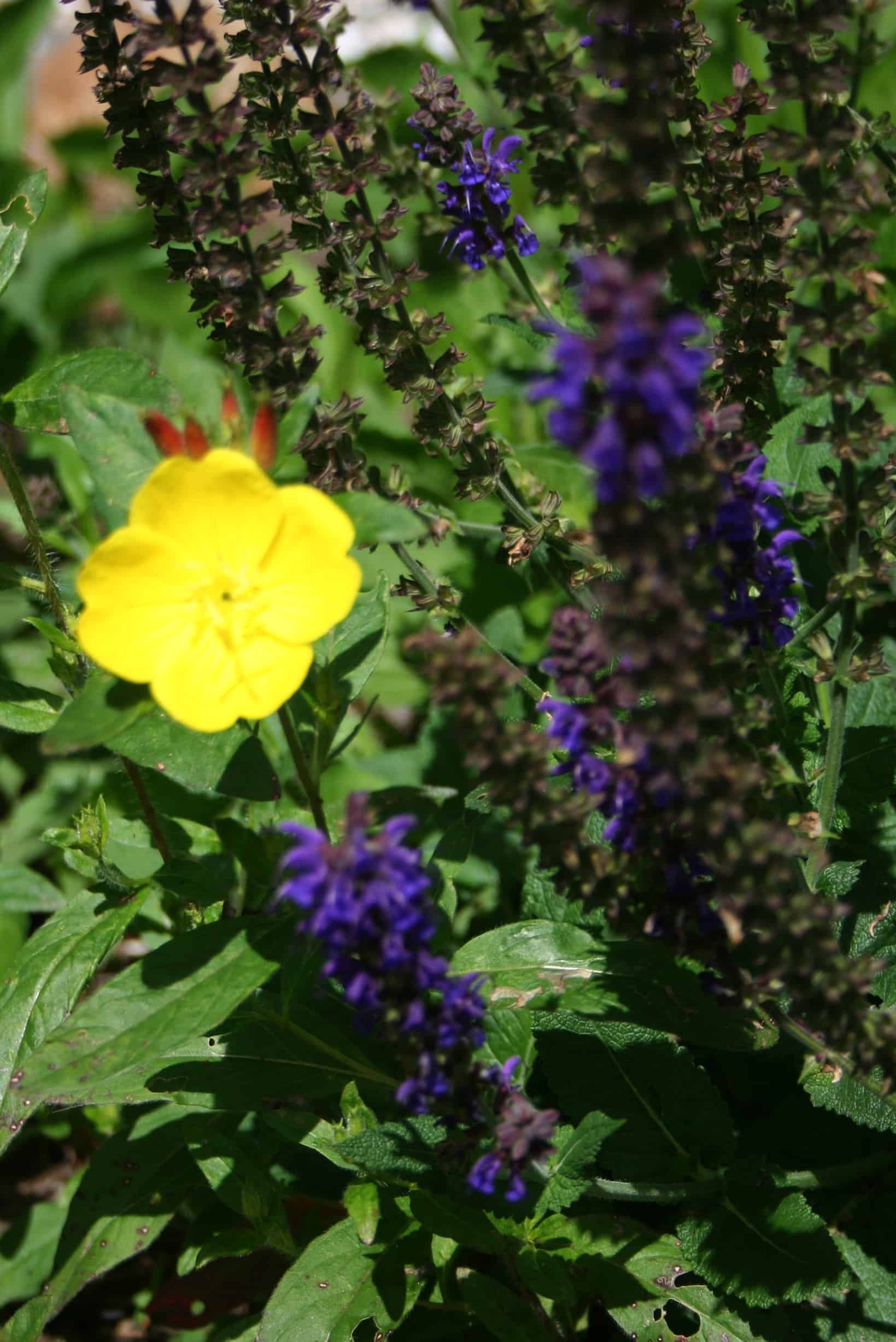
Say that three times fast: ominous genus Oenothera. In English? I planted the wrong type of Oenothera (Evening Primrose) in my garden when I first moved into my house, and I’m still battling its invasive nature. Native perennial or not, the pink Oenothera speciosa is invasive, and the yellow, Oenothera fruticosa, which is what I wanted from the start. If this doesn’t convince you of the importance of using Latin names for plants, I’m not sure what will.
So here is a tale of two Oenotheras in my garden.
The Genus Oenothera
The genus Oenothera refers to 145 species of flowers native to the Americas. Hurray for native plants!
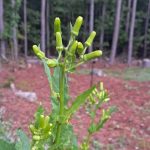
Although one of the common names for Oenothera is “evening primrose”, they aren’t true primrose plants like English primrose. Other common names including sundrops and sun cups may be a little more accurate. The native flowers found in the American desert are white. Other wild species are white, turning pink and darkening with age. At the garden center, you are most likely to find Oenothera fruticosa, the yellow evening primrose. They like full sunshine, tolerate drought and poor soils, and will spread easily if given half the chance.
The USDA says that Oenothera can become “invasive” and have a “weedy” habit. Oh fellas, you don’t know the truth. That’s putting it mildly.
A Tale of Two Oenothera
So here’s my story, a tale of two Oenothera. My mother grew the yellow sundrops, Oenothera fruticosa, in our tiny urban yard. She had them planted along the garage, pretty yellow things against the pink and red roses climbing the white washed garage wall, and I love them.
Then my father ripped out all the flowers to build a greenhouse.
I was so angry! We saved the pink rose bush, which now lives at my sister Mary’s house. But the rest of the lovely flowers were gone.
For years, I carried in my heart a secret desire to recreate that little garden that was gone by the time I entered first grade. I saw a photo of myself at age 4 or 5 taken in front of that garden and I thought, “I want to grow those sundrops.” When I saw them again in my brother’s Long Island garden years later, I thought again, “That’s the plant for me!”
I did a quick internet search, found the Latin name (very important for identifying the correct plants – yeah, right, remember that), and then as the seed catalogs arrived, I scanned them eagerly for the evening primrose, the Oenothera of my youth.
At last I found it – or so I thought. I sent away for the seeds, lovingly planted them in the spring of 2008, watered them, and….they grew.
And grew.
And grew.
Damnit, they grew into the driveway. Through the cement. Under the gravel, or very the edging, into the lawn. I was pulling them up as fast as they grew, and I swear, they were laughing at me as they grew.
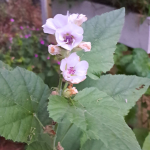
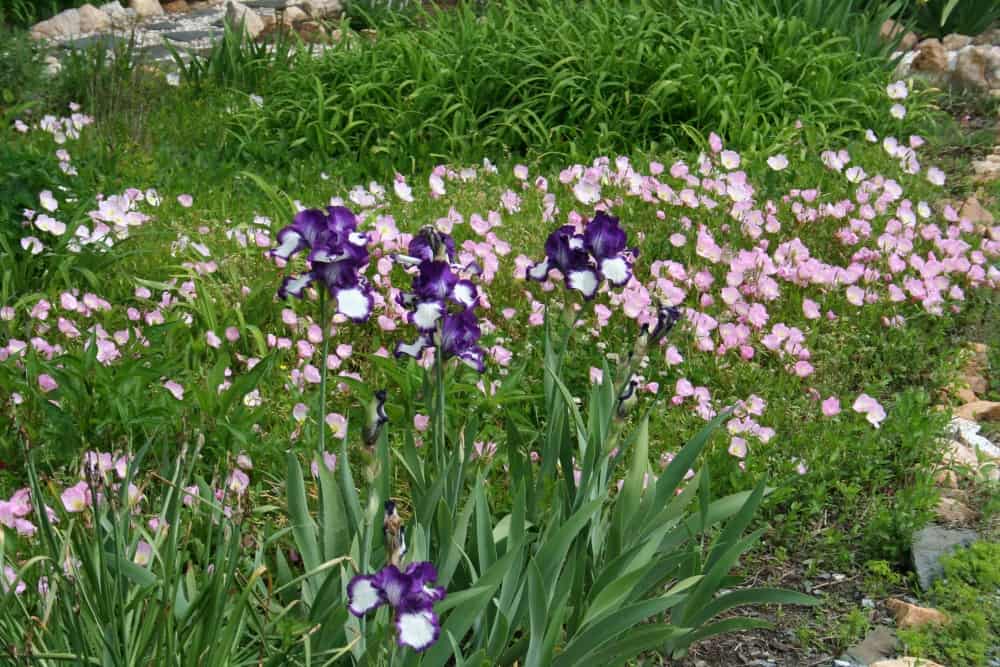
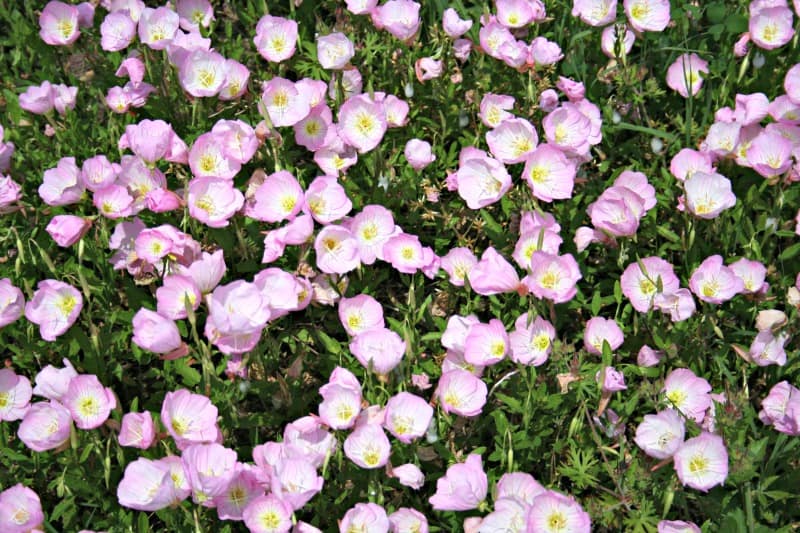
In May, their pretty pink cups are a delightful carpet in the garden. The rest of the year? It looks like a bed of weeds.
My husband keeps begging me to use Round Up on the bed. “Please, let me put us out of their misery,” he cries.
“No!” I reply immediately. “They’re growing over our water well! I don’t want that chemical in my water supply!”
I resort to pulling them by hand. I plant new flowers that I hope will smother them – Rudbeckia, daylilies, you name it. This year, Agastache, Monarda, Dahlia and Clary Sage are replacing more square feet of the pink Oenothera.
They don’t care. They continue to march further into the driveway, requiring more yanking of weeds on hot days.
Now here’s where the second Oenothera comes into the picture. Always a glutton for punishment, and stubborn to the core, I just HAD to have the yellow Oenothera. Okay, so I’d made one mistake. No problem, everybody makes mistakes. But that doesn’t mean that the yellow will be a mistake, right?
I finally found the correct plant at the Heart of Virginia Master Gardener Plant Sale two years ago. I dug it into the butterfly garden, and happily, it has spread but is nowhere near the invasive weed its pink cousin is.
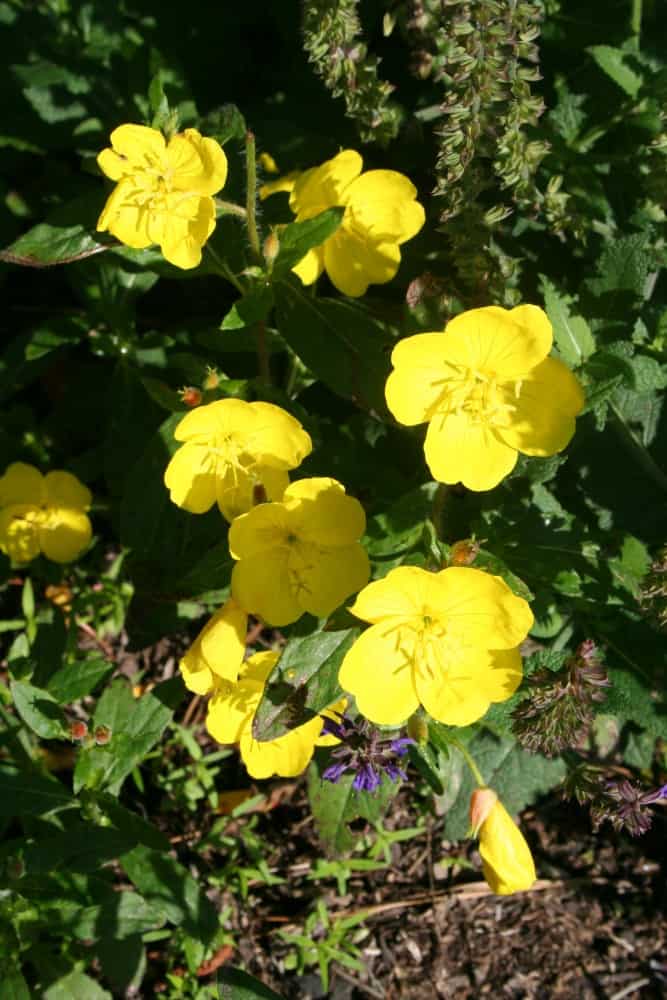
Today I yanked up more of the pink Missouri primrose, Oenothera speciosa, the native plant from hell that completely took over an enormous flower bed. I planted more dahlias. And prayed. Lots of prayer. Mostly that the sprigs I tossed into the woods wouldn’t root and multiply.
Invasive?
Just a little, USDA…just a wee bit, a tad bit, invasive….
If you’re going to plant these guys, plant O. fruticosa. The yellow, happy sundrop. Leave the pink one to the prairies of Missouri, where hopefully, something eats it and keeps it in check!
For more information, see:
- Oenothera specisosa (Pink Evening Primrose or Missouri Primrose)
- Oenothera fruticosa (Yellow Sundrops)
Happy gardening! KEEP GROWING!