
My organic rose care tips were learned over the course of many summers battling black spot and all sorts of problems. Here are some of my best tips.
Organic Rose Care Tips
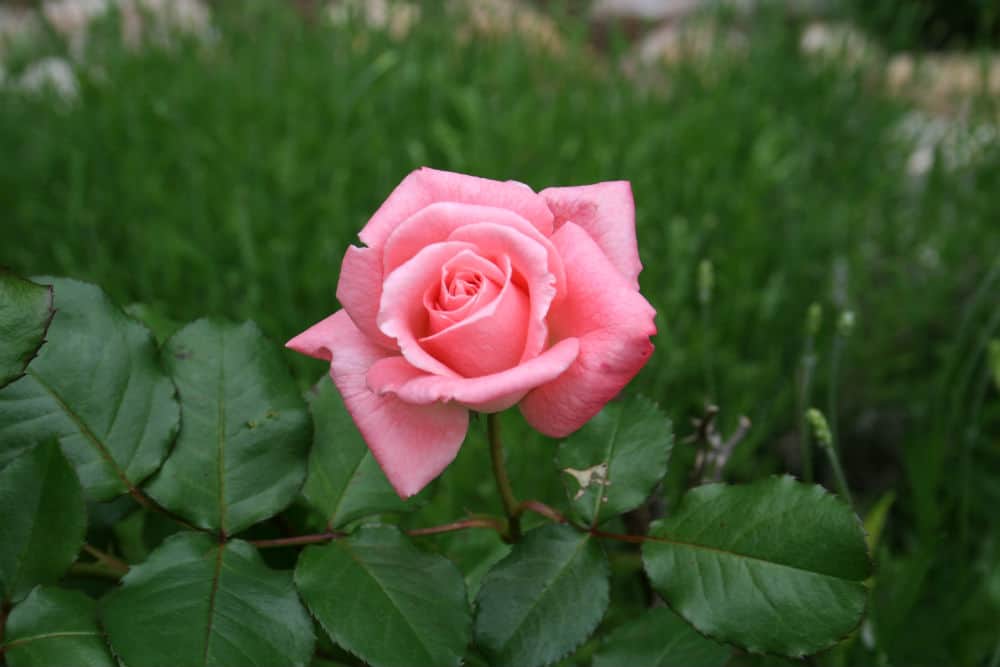
I was on the hunt for some new roses this weekend, but couldn’t find either a Peace, Tropicana, or a nice yellow to add to my little rose garden. I have five roses (if you don’t count the rosa rugosa twig that lived – I stuck in the ground on the edge of the woods – it leafed out!). I have two climbing red “Blaze” roses, two gorgeous salmon pink “Sonia” roses (today’s picture is my Sonia from last summer), and one tiny pink “Fairy” rose.
Can You Grow Roses in Virginia?
Many people warned me not to grow roses in the country. I heard horror stories galore from local gardeners. I’d always wanted to grow roses, so I bought some roses at the local discount store (aptly named Roses – not kidding here) and off I was into rose gardening.
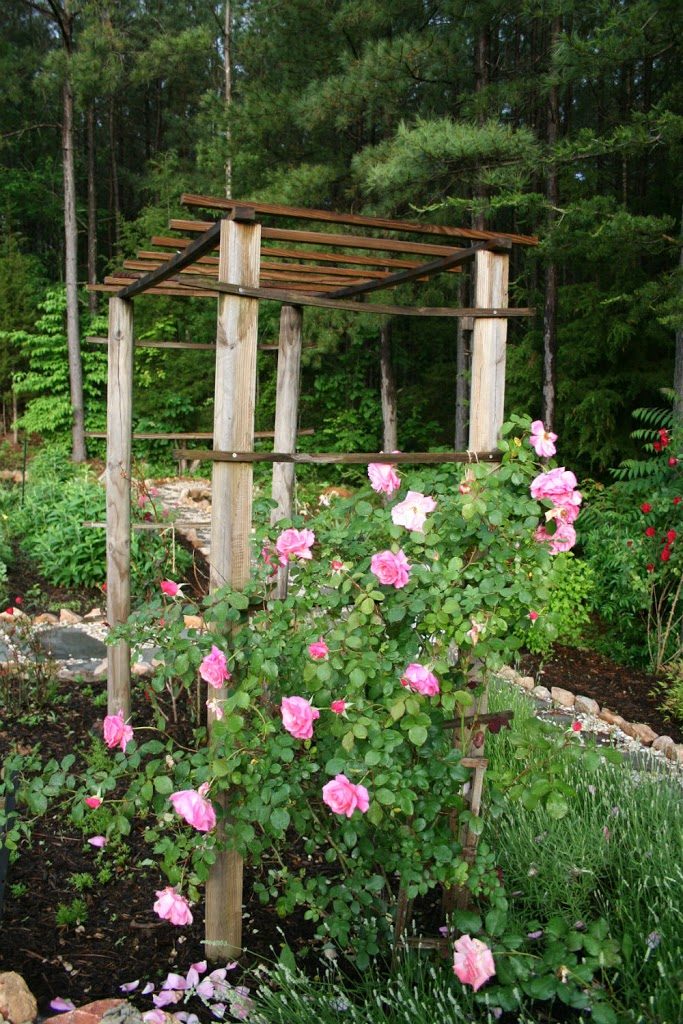
My roses are thriving. The leaves are glossy and green, except for Blaze, which has the ruby bronze leaves I love. They turn green later. I’ve got buds galore on the Sonia. The Fairy rose has doubled in size.
So what’s my secret? Organic rose care.
My Best Organic Rose Care Tips
My roses are planted in the flower garden directly over our water well. Because they’re all so close to my drinking water supply, I will not use any chemicals.
So here’s how I cope with all that nature throws at my beauties – my organic rose care regimen.
- Rose Defense neem oil spray: I bought this at Lowe’s and it is my defense against block spot, Japanese beetles, and all sorts of problems. It is made from neem oil, an oil derived from a tree in India. It is like magic. Although you have to reapply it every time it rains, it is well worth it. It keeps away black spot, mildew and fungus diseases, bacterial diseases, and insects. And it lives up to its promises!
- Japanese beetle traps: I’ve heard so many people say not to use them, but if I didn’t use them my garden would be gone. Some say they attract the beetles. I hang mine on the trellis and change the bags frequently and it does seem to draw the beetles away from the roses.
- Handpicking the beetles off the plants: If you’re squeamish about bugs, skip this. I take an old spaghetti sauce jar and fill it halfway with a teaspoon of liquid dish soap and water. I walk among the roses and just flick the beetles into the soap. They can’t get out of the jar. I empty the jar in the woods. This wouldn’t make enough of a dent in the beetle damage without both the neem oil spray and the traps, but it does help a bit.
- Compost: Lots of compost applied to the soil helps keep my roses well fertilized without chemicals.
- Mulch: I put a very thick layer of mulch around the plants. Not only does it suppress weeds, but it also keeps moisture in the soil. Works like a charm. I use coarsely shredded pine bark mulch.
- Companion planting: I use a lot of companion planting for insect control. Some say it’s an old wives tale, but since there is no harm in it, and it seems to do something good, I do it. I plant marigolds around my roses and lavender. Lots of heavy scents going on there, but the results are few insect pests other than the omnipresent Japanese beetle.
The Japanese beetles are not out yet – they will make their appearance in late May or early June. In the meantime, I am enjoying the glossy, healthy foliage on my roses, and continue the hunt for some yellow ones to add to my collection.
I have yet to grow roses, but You have persuaded me to give it a try! My grandmother grew peace roses and every time I smell one, I think of her. Annette
I understand why your roses are so healthy, you take very good care of them ,and are rewarded with beautiful bloom. Good for you.
I don’t do all that for my few roses. I do however throw banana peels under the bushes– or dig them in a few inches. Blooms galore!
Annette, you can grow roses! Mine look better here in Virginia than they ever did in New York. Try one of the cheap ones from Roses…mine are just thriving. If you don’t mind a mystery variety. I went there last weekend but none of them had tags!
I’m on the hunt for Peace roses too. My sister in New York has a huge one in her garden and I just LOVE it.
Have a beautiful day,
Jeanne
Hi Janet, I’ve never heard of banana peels. What do they do for roses? Thank you for dropping by! Jeanne