Planting horseradish is fairly easy, but be warned: this plant is invasive. It will send out roots, ignore barriers, and basically take over the garden bed.
I planted horseradish in the raised bed next to the asparagus, thinking it would take up a little room but then I could dig the roots and make fresh horseradish cream sauce. Not quite. Planting horseradish was the easy part.
The roots quickly took over with large, feathery foliage and a tangled network of roots that took forever to dig out.
If you choose to plant horseradish, leave plenty of space. Allow at least two years for good roots to develop. Good luck!
Horseradish Plant Profile
Botanical name: Armoracia rusticana
Soil Requirements: Prefers loose, well‑drained soil with plenty of organic matter. A slightly acidic to neutral pH is ideal. Deep soil is important because the roots grow long and thick; compacted soil leads to crooked or forked roots.
Water Requirements: Keep the soil consistently moist but never waterlogged. Regular watering during dry spells helps produce large, tender roots. Once established, horseradish tolerates short periods of drought, but quality declines if it stays too dry.
Light Requirements: Grows best in full sun. Can tolerate partial shade, but root development will be smaller and less flavorful.
Fertilizer Requirements: Incorporate compost or well‑rotted manure into the soil before planting. A balanced, all‑purpose fertilizer applied in early spring supports strong growth. Avoid excessive nitrogen, which encourages leafy growth at the expense of root size.
Planting Horseradish: Step-by-Step Instructions
You can plant horseradish by beginning with root cuttings, often called sets, rather than seeds. Plant them in early spring as soon as the soil is workable. Prepare the area by digging a hole or trench about 6–8 inches deep.
Set each root cutting into the soil at a 45‑degree angle, positioning the thicker end upward and the thinner end downward. Cover the cutting with soil and water thoroughly. Because horseradish spreads vigorously, space each plant 18–24 inches apart to give the roots room to develop.
After planting, apply mulch to help retain moisture and suppress weeds. Harvest the roots in late fall after frost for the best flavor, digging carefully to remove as much of the root system as possible to reduce unwanted regrowth.
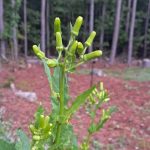
My parents have horseradish. It grows in the corner of the garden where it is safe from dad when he runs the disc over the garden to work the soil. It will probably give your cat nip a good fight. Horseradish can spread but you’re planning to dig it up to use anyway. Just leave a little each year and it will come back. My parents grind theirs outside and it is still pretty strong.
A good motto to live by, If you cannot find it in the grocery store, Grow your own!