
Organic gardening for lazy gardeners…yes, it’s a thing. I’ve learned that even a few techniques used by organic gardeners are better than nothing.
Organic Gardening for Lazy Gardeners (is that you?)
I wrote an essay for a website a few weeks ago that really struck a chord with readers – I admitted I’m both a lazy gardener and an organic gardener, and the two aspects of my personality seem to mingle quite happily with each other. In truth, I’ve found that conventional gardening methods using chemicals, pesticides, and fertilizers are actually more difficult than simple, natural organic gardening.
I get confused about which types of chemical fertilizers to apply; with organic gardening, just add compost, compost, and more compost – and sprinkle on the compost if you need a bit more. You can hurt plants by adding too many chemicals to the soil, burning delicate feeder roots or upsetting the balance of minerals and nutrients plants need. Not so with organic gardening. The more natural elements such as manure and compost you add, the happier your plants will be.
And guess what? The happier plants are, the stronger they are, and the more resilient to insects and diseases. Truly, organic gardening works with nature, not against it, and it’s perfect for working with MY nature – the less to do, the better! Here’s how to use basic organic gardening techniques to get your garden growing right without spending hours and hours toiling in the hot sun.
Good Soil Is the Key to Successful Organic Gardening Practices
All organic gardening practices begin and end with good soil, so the first trick for the lazy organic gardener is to focus on building up the soil. What does that mean?
- Nature adds nutrients back into the soil through many methods. First, leaves from deciduous trees fall to the earth along with flowers petals, branches, and other natural plant-by products. These break down over time and enrich the soil.
- Animals passing through leave their droppings behind. Such manures enrich the soil too.
- Earthworms, microbes, and bacteria all work in concert to break down nature’s contributions and create rich, crumbly plant-friend soil packed with nutrients plants need.
To recreate such conditions, your best step is to build a compost pile or add compost directly into your garden areas. Here’s how you can do this the lazy gardener way:
- Simple compost bins can be created from three wooden pallets nailed together to form a 3-sided bin; a plastic garbage can with a few holes for ventilation drilled into the sides; old fashioned mesh garbage can (for leaves) if you can find one, or even bricks stacked to form a little wall. Use your imagination.
- Add vegetable and fruit scraps to your compost pile every day. I keep a small plastic garbage pail in the kitchen for scraps. Every time someone peels a potato, eats a banana, makes coffee or tea, or basically has any leftover fruit, vegetable or plant-based scrap, into the bin it goes. Every evening while I’m making dinner I take the bin outside and add the scraps to the compost pile.
- Once a year, invest an hour into the composting process. In the spring, before the ticks come out and the weather gets hot, I’ll take my pitchfork and turn the compost over, revealing rich, crumbly soil underneath. When compost is finished, it looks like a crumbled up piece of chocolate cake, and it’s just about the prettiest site for a gardener’s eyes. I dig this out, put it in a wheelbarrow, and add it to the vegetable garden.
Composting in Place – Organic Gardening for Lazy Gardeners for Sure!
Another time-saving tip: compost in place!
What this means is that you can layer newspaper on the ground where you intend to plant vegetables, then place your kitchen scraps on top of the newspaper. Add soil over that. Keep layering it until it’s about a foot deep. It helps to dig a little trench and add scraps this way. I’ve also just tossed scraps into a raised vegetable bed in the fall and throughout the winter until about February, then stopped and let nature do her work.
Usually by May when it is time to plant vegetables, those carrot and potato peels are already turned to earth. Don’t add big stuff to these kinds of beds like cantaloupe rinds; use only the small stuff that breaks down easily.
Easy Organic Insect Control
Organic gardening for lazy gardeners includes simple tips for insect control. If you’re not spraying pesticides on your plants, how do they survive? Do plant in nature get doused in chemicals to kill bugs? No! They survive. So will yours!
Most of the time, insects nibble at the leaves but will not kill the entire plant. Certain crops such as lettuce may have small holes in the leaves. Just snip those leaves off. You can still eat the lettuce.
Companion Planting
There are many methods of organic insect control to try if destructive insects are a problem. Marigolds – those bright orange flowers with the strong scent – are a great natural insecticide, especially when planted near tomatoes. They will repel tomato hornworm and several other insects.
Barriers
When planting vegetable seedlings, keep away cutworms and other insects that devour tender seedling by making a paper collar to place around the soft stem of the plant until it grows strong enough to survive an insect’s onslaught. Fold a piece of newspaper so that it forms a band about two inches tall. Tape it around the plant leaving a gap of an inch or two between the stem and the collar. When the plant grows several sets of leaves, you can just remove it.
Row covers keep flying insects such as cucumber beetles off the squash crops without a drop of pesticide. But if worse comes to worst and you need some type of organic insecticide, neem tree oil works wonders. It’s available in most commercial garden centers and comes as either a concentrate or a diluted ready-to-spray product. The neem tree of India is known for its antimicrobial properties, and the diluted oils in organic sprays work well as insecticide and fungicide.
Gardening in Harmony with Nature
Truly the secret to successful organic gardening is working in harmony with nature. Really educate yourself on organic gardening methods. Check out the magazine section at your local public library and see if they subscribe to Organic Gardening magazine; you’ll learn a lot about organic gardening from studying this periodical as well as any books they may have about organic gardening.
Don’t be afraid to plant a few flowers, some herbs, or vegetable plants and give up the pesticides and sprays. Nature has kept the earth full of edibles and flowers for eons; study her secrets and apply them, and you too can be a lazy organic gardener.
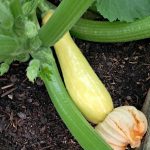
If you let mother nature have a chance, it all seems to balance out.
I really enjoyed your page about Organic Gardening and Lazy Gardeners.