• Skip to primary navigation
  • Skip to main content
  • Skip to footer
Home Garden Joy
  • Home
  • How to Garden
    • Garden Pests
    • Plant Diseases
    • Raised Bed Gardening
    • Seed Starting
    • Tools & Equipment
  • Plants
    • Plant Profiles
    • Vegetables
    • Fruit
    • Herbs
  • Recipes
    • Canning and Food Preservation
  • Books & Classes
    • Books by Jeanne Grunert
    • Books for Christian Herbalists
    • Herbalism Classes
  • About
    • Privacy Policy

Extending the Lettuce Harvest

June 2, 2014 by Jeanne

Extending the lettuce harvest means growing more lettuce for longer periods of time. When you extend the harvest, you can keep growing lettuce well into the summer.
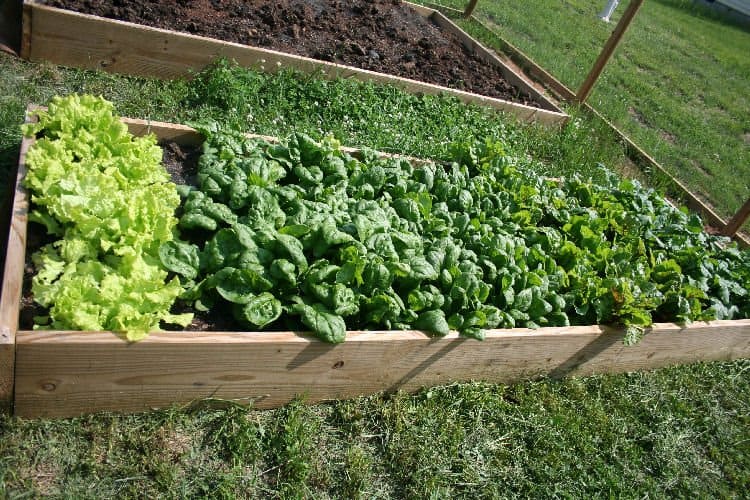
This is the time of year when I wish the lettuce harvest would go on forever. Every day, I step outside my patio doors, walk a short distance to the garden, and pick a variety of colorful leaves. The picture above shows my lettuce garden. It consists of just two rows of lettuce. I bought a packet of 20 cent – yes 20 cent! – seeds at Wal-Mart in the spring and sowed just HALF the package. For a 20 cent investment and about five minutes a day watering my lettuce patch, I enjoy a huge fresh lunch each day. This is why I absolutely love gardening.


Lettuce, however, is a cool-season crop. Here in south central Virginia, that means I can grow lettuce April through June, but in a week or two when the hot weather returns, the lettuce will bolt. Bolting lettuce means it goes to seed. When lettuce goes to seed, it sends up a tall, thick central stalk with flowers on it. The lettuce plant’s shape changes from a loose, round form to a tall, conical form. When that happens, the lettuce begins to turn bitter and tough. You’ll quickly discover that it’s nearly impossible to eat once it gets to that stage. Time to pull it out and compost it.


spinach and lettuce
Lettuce and spinach growing in a raised bed garden.
Before that happens, however, you’ve got several weeks of blissful lettuce-picking days ahead of you. If you’re a fan of a good salad like me, then here are some suggestions for extending the lettuce harvest no matter where you live.


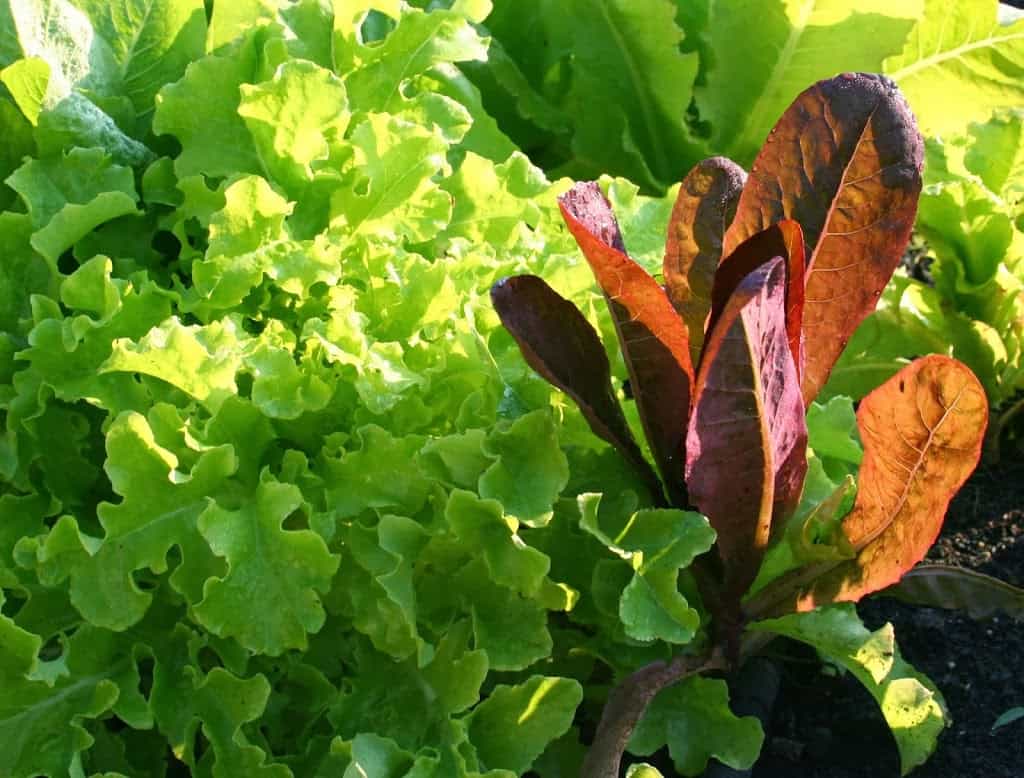
lettuce
Pretty lettuce mix growing in my garden.
Extending the Lettuce Harvest
  • As soon as the soil can be worked in the spring, plant one row of seeds. Water and wait two weeks.
  • Every two weeks after your first planting, plant another row of lettuce, until you have three or four rows.
  • Once your first row is mature enough to pick, pick only the large outer leaves. Don’t pick it all at once and don’t pull up the plants. I use either my kitchen scissors to snip off leaves or I just pinch them off with my finger tips.
  • Once you see the lettuce bolting, pull up the whole plant. Remove as many leaves as you can and compost the rest of the plant.
  • Try some of the so-called hot-weather varieties of lettuce for summer salads. “Red Sails” is a red-leaf or bronze leaf variety (the red one in the photo above) that tastes great, adds a pop of color to your salads, and is fairly heat-tolerant. Any loose-leaf varieties do a little better in the heat than Romaine or Buttercrunch, which really don’t like heat at all. “Ithaca” is a green-leaf variety that is also slow to bolt.
Another salad green tip: grow spinach just for salads. I find that you need a lot of room to grow enough spinach for a meal when you like cooked spinach. I added a few rows of spinach to my garden just for the greens. They also make tasty salads, especially when you pick the tender baby spinach leaves.
 

More Post on Growing Vegetables

If you enjoyed this article on extending the lettuce harvest, you may also enjoy:
  • Types of Lettuce
  • Lettuce and Leeks
  • Growing Gourmet Lettuce and Microgreens

Filed Under: Vegetable Gardening

Previous Post: « Growing Lemon Trees from Seeds
Next Post: Fresh Food Wednesday: Cranberry Spinach Salad Recipe »

Reader Interactions

Comments

  1. Jo

    June 3, 2014 at

    When you talked about lettuce bolting I had a lovely picture of a crowd of lettuce plants running hell for leather.

    Have to get my lettuce in a store and of course the selection is limited.

  2. Jeanne Grunert

    June 3, 2014 at

    LOL! It is a real term (bolting). But I like your mental image better.

  3. Jo

    June 3, 2014 at

    Yup, I did know that, but haven’t heard it in years.

  4. Swimray

    June 4, 2014 at

    I haven’t heard of a few of your tips for coping in warm weather. I like lettuce, but so do my resident snails and slugs. And, I have let some continue to bolt and flower – becoming interesting ornamentals in my front yard garden with the other, well, ornamentals.
    Ray

Footer

a wheelbarrow with bag of soil, trowel, pots and plants

Understanding Fertilizer: A Complete Guide for Home Gardeners

Understanding fertilizer is an important skill for beginning gardeners. In this guide, I’ll walk you through the basics. By the end of this article, you’ll understand fertilizer, what it is and what it does, and how to use it appropriately in the garden. Introduction: Why We Use Fertilizer in the Garden . Plants absorb nutrients…

Read More

red lettuce, mexican tarragon, and chard

The Best Organic Fertilizers

If you’ve been looking for ways to help your garden truly thrive — not just survive — organic fertilizers might just become your new best friend. They’ve become a cornerstone of sustainable gardening and farming, and for good reason: they don’t just feed your plants, they actually improve the health of your soil over time….

Read More

water droplets in sunbeams over a raised bed vegetable garden

Irrigation Tips for Home Gardens: Drip vs. Soaker Hose

Watering is one of the most essential tasks in maintaining a healthy home garden, yet it is also one of the most misunderstood. Many gardeners rely on overhead sprinklers or hand-watering, both of which can waste water and fail to deliver moisture efficiently to plant roots. Two of the most effective alternatives are drip irrigation…

Read More

chive plants in bloom with lettuce

The 10 Easiest Herbs to Grow

Grow them in pots, containers, window boxes, raised beds, or tucked among your flowers. These are the 10 easiest herbs to grow in almost any temperate garden. They take up little space, are generally unfussy, and are used in lots of recipes. What Do I Need to Start an Herb Garden? You don’t need a…

Read More

  • About
  • Plant a Row for the Hungry
  • Awards
  • Privacy Policy

Let’s Connect!

  • Facebook
  • Instagram
  • Pinterest
  • Substack
  • YouTube

Copyright © 2026 Home Garden Joy on the Foodie Pro Theme