• Skip to primary navigation
  • Skip to main content
  • Skip to footer
Home Garden Joy
  • Home
  • Gardening
    • Raised Bed Gardening
    • Month-by-Month Gardening Tips
    • Seed Starting
    • Compost and Fertilizer
    • Butterfly Gardens
    • Tools & Equipment
    • Pests & Problems
    • Birds and Wildlife
    • Home Garden Tips
  • Plants
    • Plant Profiles
    • House Plants
    • Vegetables
    • Fruit
    • Herbs
    • Growing Flowers
  • Recipes
    • Easy Recipes
    • Canning and Food Preservation
  • Books & Classes
    • Books for Christian Herbalists
    • Herbalism Classes
    • Books by Jeanne Grunert
  • About
    • Privacy Policy

Growing Monarda or Bee Balm

June 23, 2014 by Jeanne

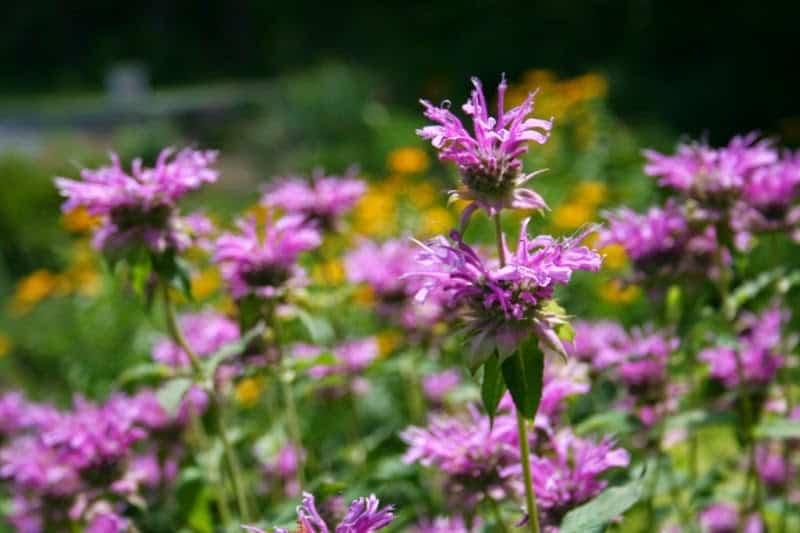
Monarda, Bee Balm, Oswego Tea…this beautiful plant is known by many names. It attract pollinators to the garden and offers an attractive flowering plant for the summer garden.

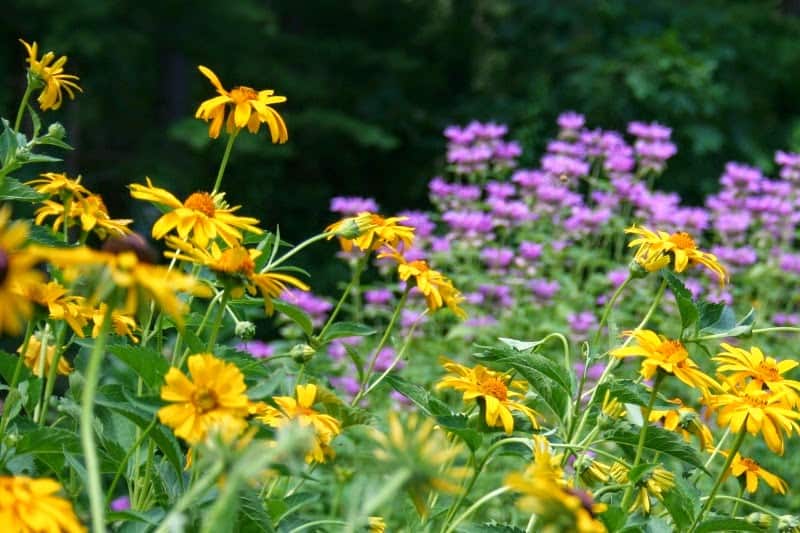
Yellow daisies in the front, monarda in the back in my garden today.

Growing Monarda

Monarda needs full sun, or about six to eight hours of bright, direct sunlight daily. You can start it from seeds inside the house during the winter. Just be sure to baby the transplants during their first season. Keep them well-watered until they establish deep roots, and add mulch to keep moisture near the roots. They aren’t particularly heat tolerant, so if you live in the deep south, some afternoon shade will keep them happy. My own plants are in the shade starting around 4 p.m., which seems to make them happy!
Monarda needs about an inch of rainfall a week, so if you live in an area prone to summer droughts like I do, be prepared to water it. The rewards of all that work hauling water out to the garden or dragging the hose out to the garden will be well worth it.
You really don’t need to do much to care for the herbaceous perennial form of monarda. I cut mine back in the fall just to keep it neat, and mulch it in the spring. That’s it. 
Historically, monarda was used by Native Americans to season turkeys and other wild game. I don’t know exactly which variety they grew, so don’t go out picking leaves from your monarda and trying it in the Thanksgiving stuffing!  Monarda leaves contain thymol, a compound known to have some antiseptic qualities. “Oswego Tea” is an old folk-remedy for sore throats, mouth, throat and dental infections. Teas or tisanes brewed from monarda were used by American settlers as an antiseptic.

I don’t grow monarda for its medicinal qualities. I grow it because it supports the pollinators in my garden, and because it’s beautiful. Today the patch of monarda on the side of the path seemed to be alive with bees, humming and buzzing as they enjoyed the sweet nectar on the purple flowers. And while I haven’t seen a hummingbird on my patch of monarda, I’m told the diminutive birds love the flowers almost as much as the bees.
You can order Mondara Seeds from American Meadows Seeds.
post signature

Filed Under: Growing Flowers

Previous Post: « Savor the Taste of Summer: How to Dry Fresh Herbs without Special Equipment
Next Post: Growing Sunflowers »

Reader Interactions

Comments

  1. Gardener on Sherlock Street

    June 24, 2014 at

    Very timely post. I’ve been thinking about bee balm lately. We have a native one that I’m hoping to get into my garden.

  2. Jeanne Grunert

    June 24, 2014 at

    Hi, my friend! It’s a funny plant. I found it difficult to get started, but once it got established it is doing well. I really had to “baby” it through its first year but now I’m thinking of transplanting some since it is doing so well. Let me know how yours turns out!

Footer

yellow bearded iris "Lemon Pledge"

How to Ship Iris Rhizomes – Sharing Is Half the Fun!

How to ship iris rhizomes (bearded iris) correctly is a simple skill, and one worth learning if you’re interested in pass-along plants. When I was a girl, it was common for neighbors to share plants. Someone would divide their peonies or iris and offer a portion to a neighbor. These “pass-along plants” came with stories,…

Read More

herbal academy course photo

Natural Remedy for Tick Bite: New Course

The Herbal Academy has just launched a new course called “After the Bite: What You Need to Know About Tick-Borne Diseases.” This course features a natural remedy for tick bites and supportive herbal care after the bite. As someone who was seriously ill ‘after the bite’ – and didn’t even realize a tick had sent…

Read More

a red knockout rose

June Gardening Tips: Everything You Need to Do in Your Garden This Month

I’m sharing these June gardening tips for gardening zone 7B. However, you can easily adapt them to your gardening zone. June is one of those months that feels like there’s so much to do in the garden you don’t know where to start. Fortunately, nature gives you extra-long days and plenty of sunshine! Whether you…

Read More

watering can with plants

Growing Ginger in the Home Garden

Growing ginger is fun. I was surprised to learn that I could grow ginger in Zone 7B, central Virginia. I attended a lecture by Ann Codrington of Nisani Farms several years ago. She discussed growing both ginger and turmeric. Her farm is in Maryland, but I discovered that both plants can be grown in both…

Read More

  • About
  • Plant a Row for the Hungry
  • Awards
  • Privacy Policy

Let’s Connect!

  • Facebook
  • Instagram
  • Pinterest
  • Substack
  • YouTube

Copyright © 2026 Home Garden Joy on the Foodie Pro Theme