
This is the first in a series of articles on how to plan your vegetable garden. I’m assuming as I write this that you, gentle reader, are new to the wonderful world of growing vegetables. Perhaps you’ve tried to grow them in the past but were disappointed with the results. Or worse, you grew vegetables, and your kids frowned and pouted and said, “These taste funny!” because they didn’t taste EXACTLY the way they do from the can – you know, salty and lifeless. Can you tell I’ve been there, done that, but with adults instead of kids?
It’s true. I’ve worked hard to grow vegetables, only to find that someone in the household loathes broccoli, or hates parsnips, or won’t touch funny colored corn.
That’s why the first step in planning your vegetable garden isn’t about soil, or light, or water, or seeds, or gardening zones.
The first step is simple: figure out what your family likes to eat.
How to Plan a Vegetable Garden for Beginner Gardeners
What Should You Grow?
The first step to plan your vegetable garden this year is a simple one. Sit down with a pencil and paper or your tablet and make a list. List all the members of your family. Then start jotting notes on which vegetables they like to eat and which ones they hate.
Next, make a second list. On this list, write down vegetables that are so expensive at the grocery store that you rarely buy them. Things like fresh herbs tend to be expensive. So too are warm-weather garden fruits like melons, and vegetables such as tomatoes, peppers, and eggplant. The cost will vary according to what part of the country you live in and your proximity to farmer’s markets, CSAs and the like; some alternatives to shopping at supermarkets offer tasty vegetables at cheaper prices.
After making these two lists, I want you to make a third list, or check off anything on list 1 or list 2 that you know tastes better fresh. Tomatoes are always on my list. I won’t even bother with store-bought tomatoes because to me, they all taste like cardboard. The same goes for fancy lettuce. I won’t spend $2.99 for organic red leaf lettuce or a fancy salad blend, but I love the taste of them.
Lastly, is there anything you’ve always dreamed about growing just for the heck of it? Gardening should be above all else, fun. If it’s not fun, why bother doing it?
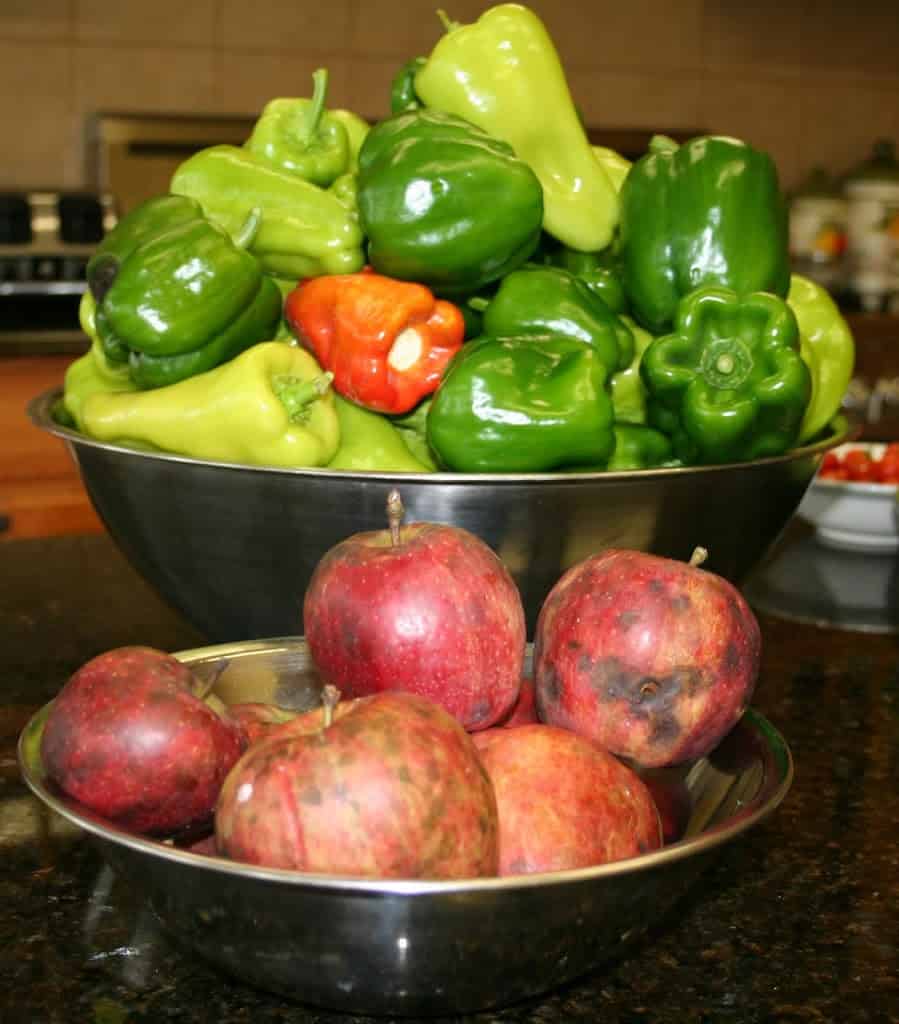
From my garden – things we like to eat.
One year, I grew heirloom beans. I grew a variety called yin yang that actually has the black and white yin-yang symbol on them. I grew brown beans to make baked beans, and a variety called Jacob’s Cattle that had a little spatter pattern on them. I dried the beans on the vine, shucked them into glass jars, and then used them to make soup. They tasted just okay, and frankly, I could have purchased beans less expensively and certainly with far less labor by the pound than I did by growing, drying, harvesting, shucking and storing the cup or two of beans my garden yielded. But it was the pleasure of experimenting with growing heirloom seeds that I was after that year, not the taste of the beans themselves. I’d seen heirloom beans in catalogs, and I’d seen them dried on the vine at a historic village on vacation and I wanted to try my hand at Ma Ingalls kind of tasks. I learned a lot about myself that year. I learned that I’m neither Ma Ingalls nor inclined to be a pioneer woman. But I had fun, and that was what counted, so I grew heirloom beans.
What’s your heirloom beans? What will be your fun project this year?
Now that you have your list, in the next series of articles, I’ll take a look at sorting through that list to pick out what to grow based on how difficult or easy something is to grow, how economical it is, and how your space stacks up for the needs of the plants.
Happy gardening!
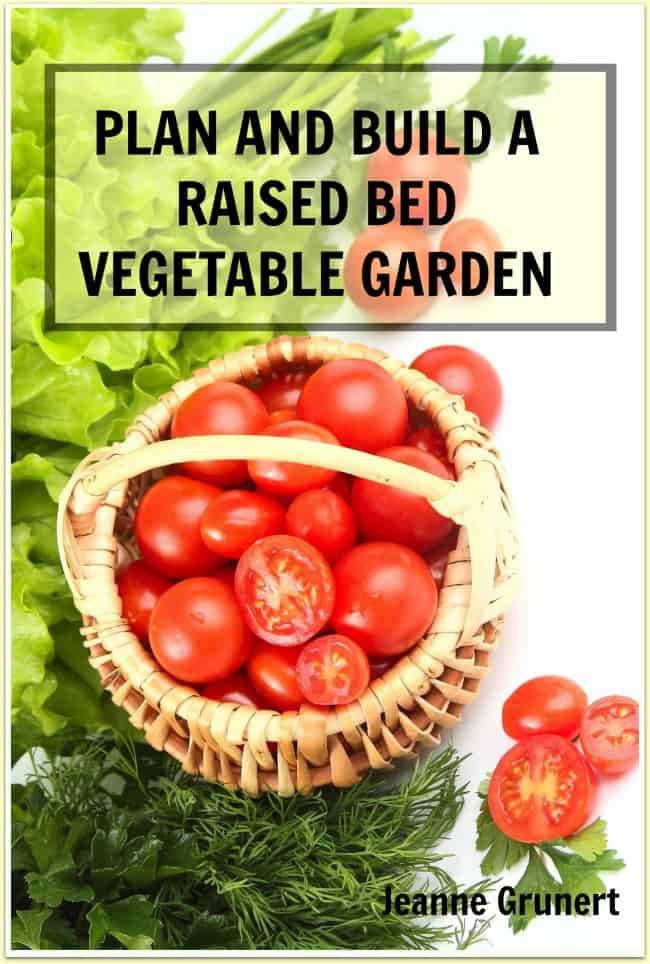
Learn how to plan and build a raised bed vegetable garden with my new book, available in paperback on Amazon and as an ebook wherever fine ebooks are sold.

[…] new to gardening, learning how to start your first vegetable garden is a big step forward. Vegetable gardening offers you and your family a great opportunity to grow healthy, fresh vegetables right in your own […]