Every summer, without fail, I plant basil at the end of the raised beds. These are the beds filled with Roma tomatoes, the ones we harvest by the bushel to make our salt-free organic tomato sauce. My tomatoes thrive.
“Did you know that basil repels aphids?” an organic gardener friend mentioned to me casually one day after surveying the raised beds.
Really? I was skeptical. However, I think my friend is brilliant, and her garden is lush and productive, so I set about researching companion planting with herbs. Does it work? What does the science say?
That conversation sent me down a delightful rabbit hole of research into companion planting with herbs, and what I discovered changed the way I design my garden beds forever. Whether you’re a beginning gardener or you’ve been digging in the dirt for years, I think you’ll love exploring what herbs can do when you put them to work as garden companions.
What Is Companion Planting, Anyway?
Companion planting is the practice of growing different plants together so that they support one another. It’s one of the oldest gardening ideas in the world. Indigenous farmers in North America grew corn, beans, and squash together in a system known as the Three Sisters, where each plant contributed something the others needed. The corn grew tall and gave the beans something to climb. The beans fixed nitrogen in the soil to feed the corn and squash. The squash spread along the ground, shading out weeds and keeping moisture in the soil. Brilliant, right?
Modern gardeners have taken that same logic and expanded it enormously — especially when it comes to herbs. Herbs are aromatic, ecologically active, and often irresistible to beneficial insects. That makes them some of the best companions you can tuck into a vegetable bed.
How Herbs Help Their Neighbors
Herbs don’t just sit there looking pretty (though they do that, too – you know my love of borage for just that reason, and I plant rosemary as an ornamental in the perennial garden.). They actively influence everything around them through several different mechanisms.
The first is through allelopathy. Many plants, including herbs, release chemical compounds through their roots, leaves, and even the air around them. These compounds can repel insects, suppress competing plants, or attract helpful garden visitors. Marigolds, for example, emit compounds that are known to reduce aphid populations. I’ve also used marigolds successfully as companion plants, although they aren’t herbs, of course.
The second mechanism by which companion planting with herbs works is attracting beneficial insects. When you grow flowering herbs like dill, chamomile, borage, and oregano, you’re essentially putting out a welcome mat for the good guys: ladybugs, parasitic wasps, and others that prey on the pests doing damage to your vegetables. These herbs act as what some researchers call “beacon plants,” drawing in an army of allies.
The third way herbs help is through physical effects. They shade the soil, reduce evaporation, and suppress weeds. Low-growing herbs like thyme can serve as a living mulch beneath taller crops, keeping roots cool and moist while preventing weeds from gaining a foothold.
Herb Companions That Actually Work
Let me walk you through some of the herb pairings I’ve tried myself and seen real results with. Keep in mind that gardening is always a bit of an experiment, and what works beautifully in one garden may behave differently in another. But these are the combinations that come up again and again, both in research and in the experience of gardeners I trust.
Basil and Tomatoes
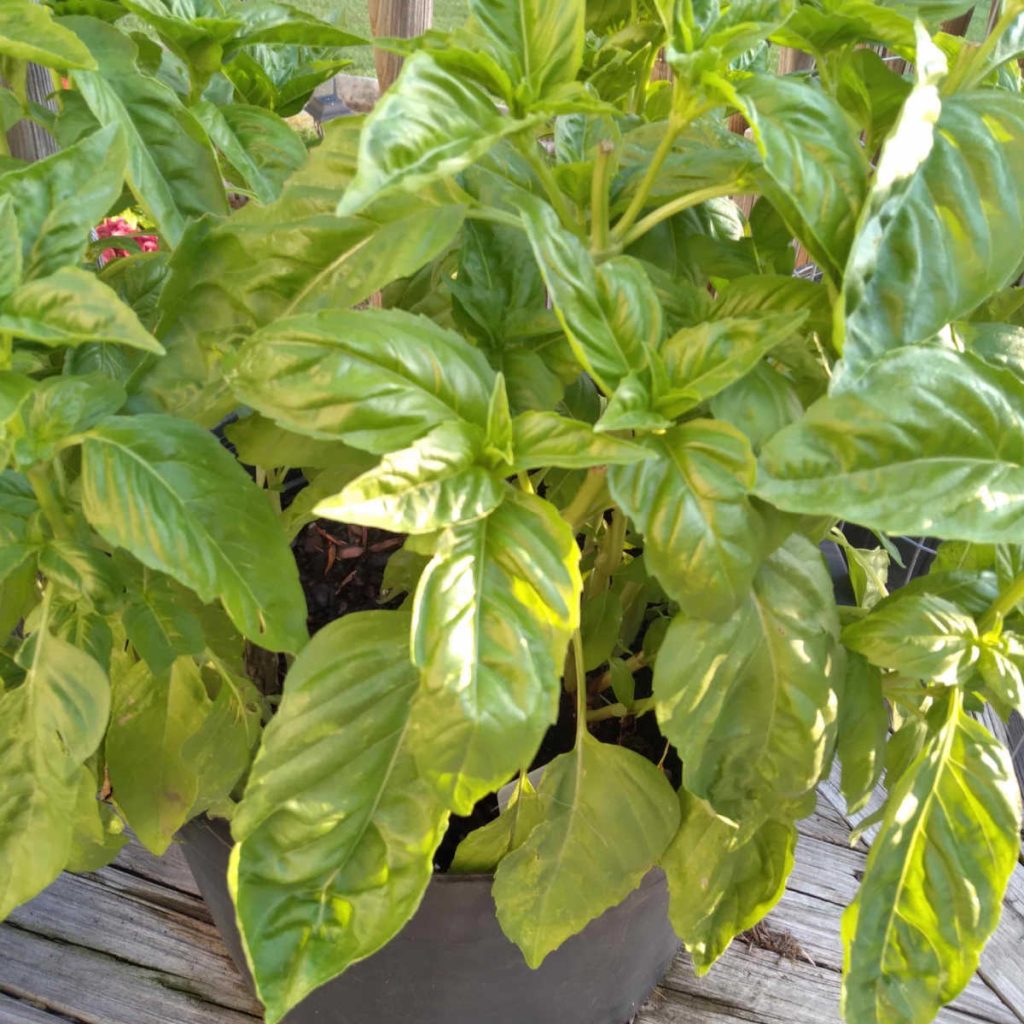
This is the classic pairing, and for good reason. Basil and tomatoes grow at roughly the same pace, enjoy the same warm conditions, and many gardeners — myself included — find that basil seems to reduce pest pressure on tomato plants. There’s debate about exactly how strong this effect is scientifically, but the combination also makes practical sense: you’re already growing both for the kitchen, so why not put them next to each other?
Dill and Brassicas
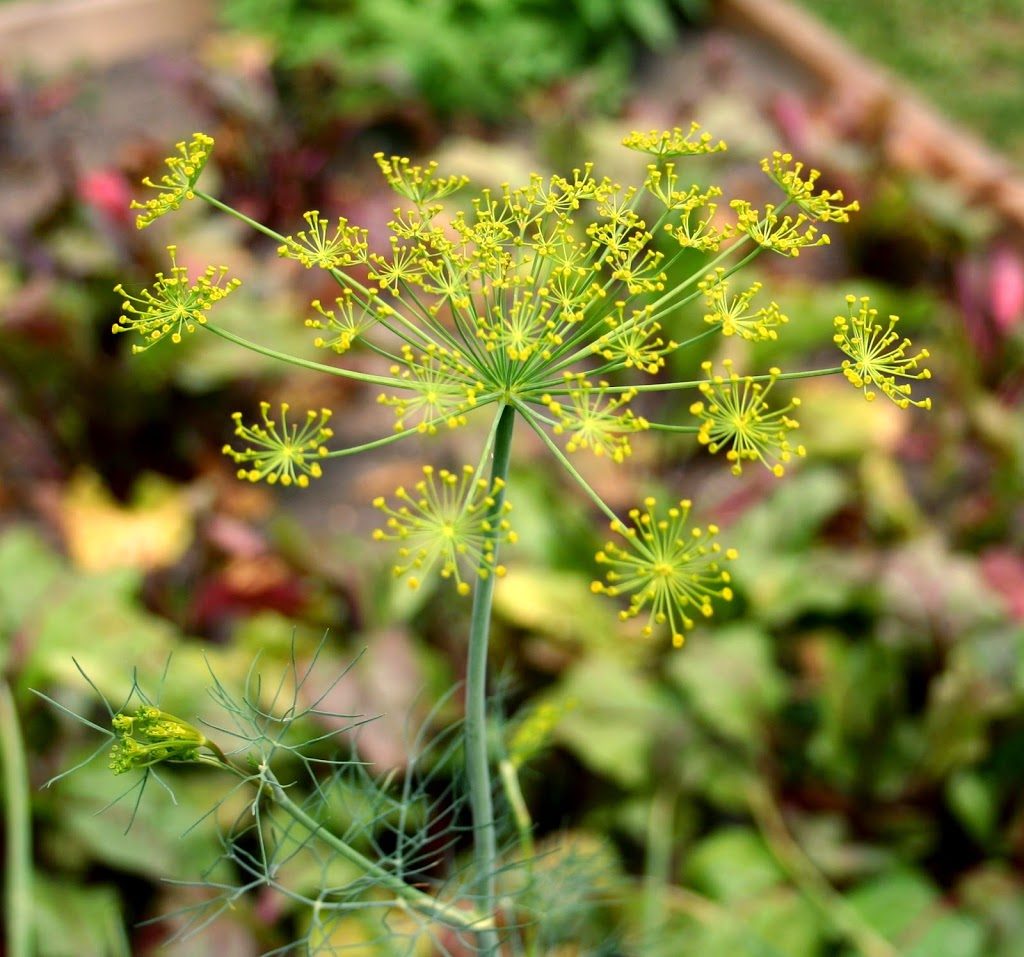
If you grow broccoli, cabbage, kale, or Brussels sprouts, you’ve probably had a run-in with cabbage worms. Planting dill nearby can help attract beneficial insects — particularly parasitic wasps — that prey on these caterpillars. Dill is a fabulous companion for brassica beds, though I’d suggest not planting it right next to your tomatoes, as dill can actually compete with tomatoes when it matures.
Borage and Squash or Strawberries
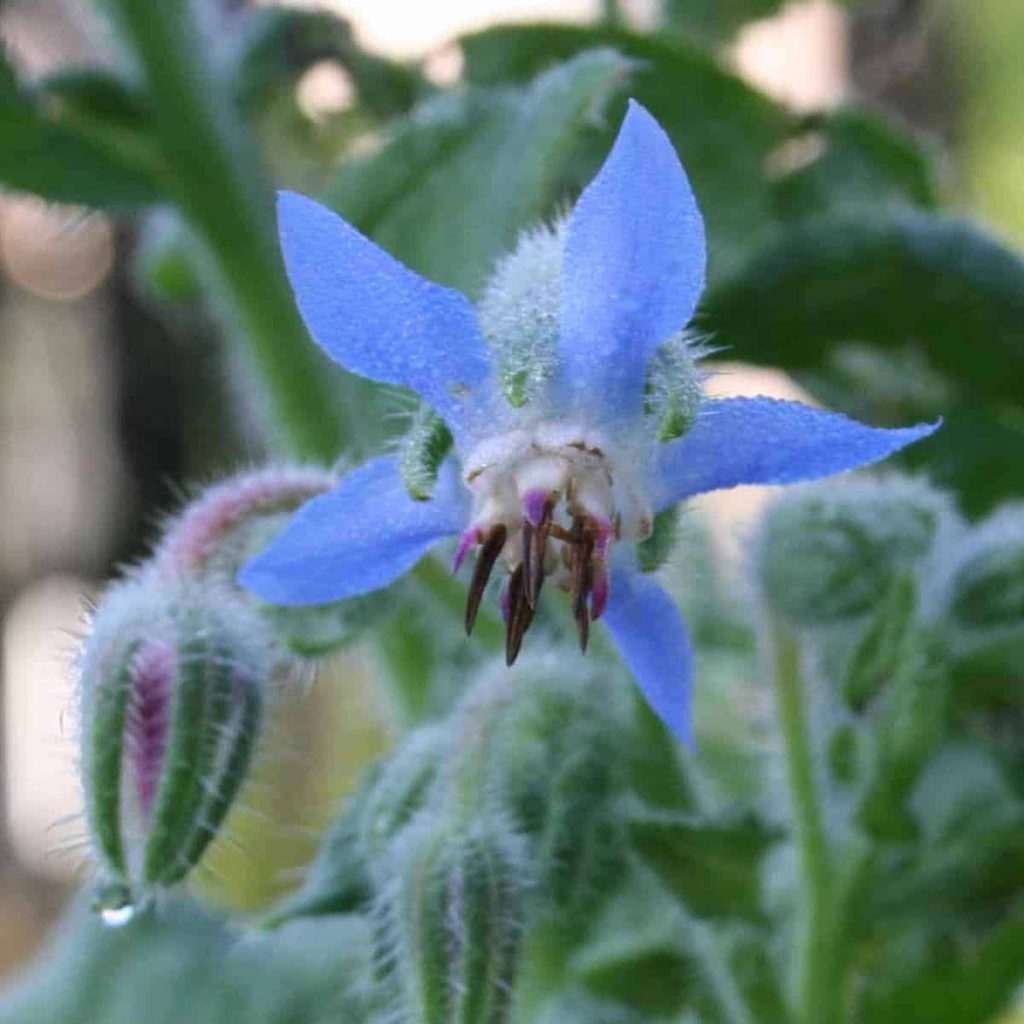
Borage is one of those herbs that every gardener should try at least once. It’s easy to grow, the brilliant blue flowers are stunning, and it’s a pollinator magnet. Plant it near squash or cucumbers to help with pollination, or near strawberries as a traditional companion that’s said to improve both growth and flavor. Borage also self-seeds readily, so once you plant it, it tends to come back year after year as a cheerful garden resident.
Thyme as a Living Mulch
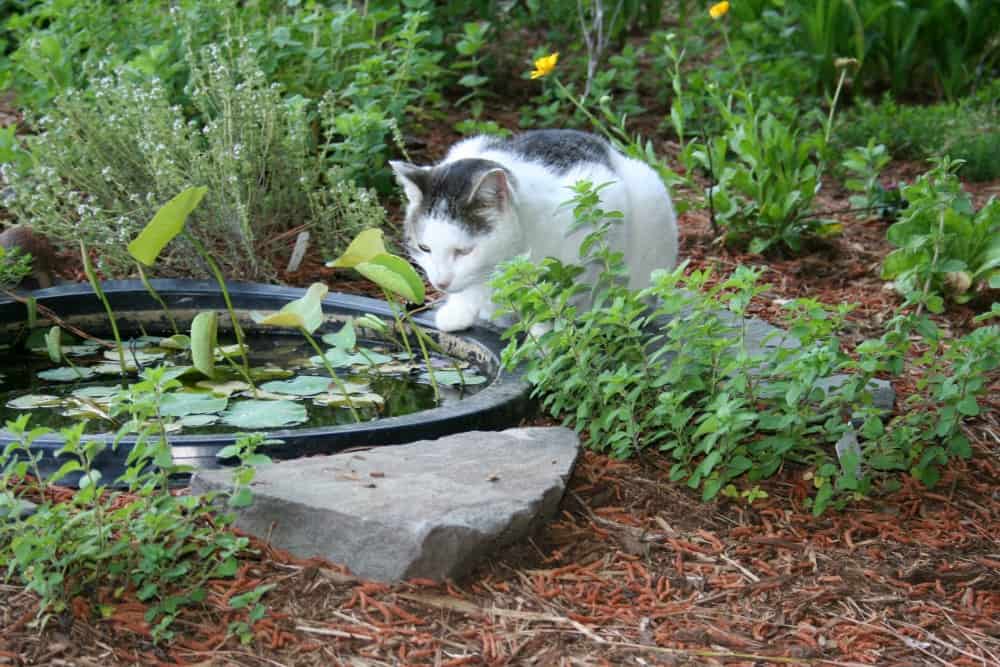
Thyme is a low-growing, drought-tolerant herb that spreads gently along the ground. Planted at the base of taller vegetables or between rows, it suppresses weeds, retains moisture, and can help deter some pests. It’s also evergreen in mild climates, which means it keeps doing its quiet work even in the off-season. I grow thyme in the herb garden around the little pond. It spreads into a lovely mat, and the bees love the flowers.
Oregano Near Peppers and Beans
We grew oregano next to green beans in our little backyard plot in New York, and they both thrived. Oregano is a sturdy, spreading herb that repels some common garden pests, including aphids and spider mites. Tuck it near your pepper plants or along bean rows and let it do its thing. It handles heat and drought well, making it a low-maintenance companion that earns its place in the bed.
What the Science Actually Says
I want to be honest with you here, because I think good gardening is built on realistic expectations. Companion planting with herbs has a lot of traditional wisdom and growing scientific support behind it, but it isn’t magic. Results vary depending on your climate, soil, local pest populations, and the specific layout of your garden.
Studies have confirmed that certain herb compounds, particularly from marigolds, dill, and chamomile, do affect pest behavior and attract beneficial insects. Research on push-pull strategies in ecological agriculture shows that aromatic plants can genuinely redirect pest pressure. These are real effects, not just gardening mythology.
But other pairings are still more art than science. Some traditionally recommended combinations haven’t been rigorously tested in controlled studies. And allelopathy — that chemical communication between plants — can cut both ways. Some herbs release compounds that might actually inhibit the germination or root growth of nearby plants if they’re planted too densely or in the wrong combination.
Companion planting with herbs is a genuinely useful tool, but it works best as one part of a broader garden strategy rather than a standalone pest-control system. Think of it as giving your garden a natural advantage, not a guaranteed solution.
A Few Things to Watch Out For
Herb companions can occasionally cause problems if you’re not thoughtful about placement. Here are a few things to keep in mind. Be careful about planting these guys among your vegetables.
- Some herbs, like mint, are aggressive spreaders and will take over a bed if you let them roam freely. I’d suggest growing mint in containers rather than directly in the ground. That way you still get the pest-deterrent benefits without sacrificing the whole bed to its enthusiasm.
- Fennel is famously incompatible with most vegetables. It’s allelopathic in a way that actually suppresses the growth of many garden plants. Keep fennel in its own spot, away from your vegetable beds, and enjoy it as a beautiful specimen plant rather than a companion.
- Overcrowding is another pitfall. When you add herbs to vegetable beds, make sure you’re still allowing adequate airflow. Dense plantings can create humid conditions that encourage fungal disease, which is the opposite of what you want.
Designing Your Herb Companion Garden
One of the things I love most about companion planting with herbs is that it makes gardens so much more beautiful and interesting. Instead of tidy rows of vegetables, you get a lush, layered planting that hums with insect activity and smells absolutely wonderful when you brush past it.
A few design tips that have served me well:
- Plant low-growing herbs like thyme along bed edges or at the base of taller crops. Tuck flowering herbs like borage and dill into gaps between vegetable plants to bring in beneficial insects. Use aromatic herbs like basil and oregano near plants that tend to attract aphids. Create small pollinator patches by grouping several flowering herbs together at the corners of your beds.
- You don’t have to redesign your entire garden to get started. Even adding a couple of herb companions to an existing vegetable bed can make a noticeable difference. Start small, pay attention to what you see, and keep notes about what seems to be working. Companion planting is one of those practices that rewards careful observation over time.
The Joy of Companion Planting with Herbs
Beyond all the practical benefits, there’s something deeply satisfying about a garden that’s filled with herbs. They smell wonderful on warm afternoons. They attract butterflies and bees and all manner of interesting insects. They’re useful in the kitchen. They connect you to centuries of gardening tradition and wisdom. And they remind you that the garden is an ecosystem, not just a production system — a living community of plants, insects, and soil organisms that are all influencing one another in ways we’re only beginning to fully understand.
Companion planting with herbs is an invitation to work with that ecosystem rather than against it. And in my experience, the garden almost always rewards you when you do.