
This spring, we’ve seen an abundance of common garden pests ranging from the big (deer) to the small (potato beetles).
Every garden is subject to some sort of pest. I don’t care how big or how small your garden, something else wants those vegetables, fruits, and herbs as much as you want them!
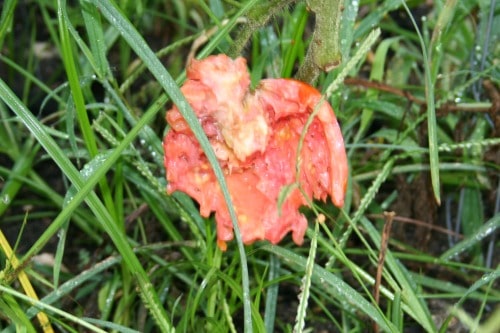
In our case, we have deer who try to pull peaches and apples from the orchard trees, potato beetles ruining the potatoes and then moving on to the tomatoes, and crows feasting on berries and tomatoes.
What’s an organic gardener to do?
The standard treatment for insects is a pesticide with a long list of safety precautions and an even longer list of warnings. Between the people, the cats, and the wildlife, I’m afraid to use them.
The standard response to deer or crows (at least around here) is to reach for a shotgun. I don’t want to kill the wildlife, just encourage it to go elsewhere.
What to do about common garden pests?
Barriers Keep Pests Away and Out of the Garden
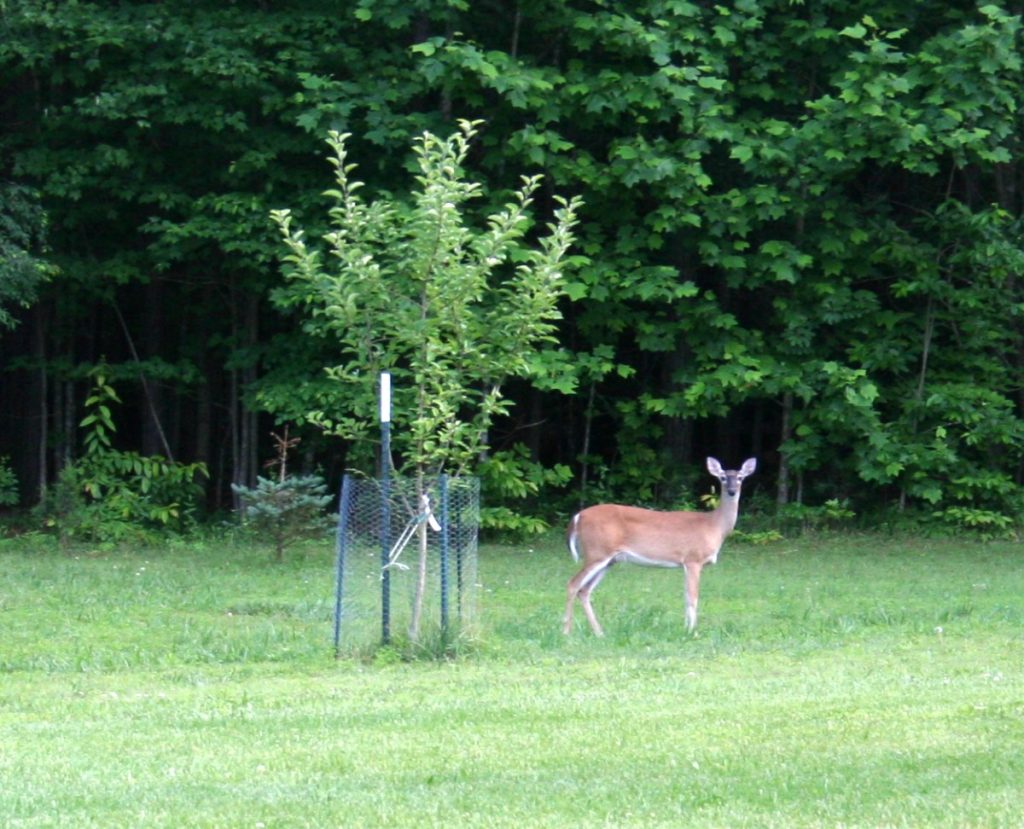
Many common garden pests include deer, rodents, rabbits, and crows or other birds can be kept out of the garden by using barriers. Barries include wire cages, such as the one in the picture above with the deer in my fruit tree orchard. The cages around the young trees keep deer from eating lower limbs. Fruit on the higher limbs isn’t available to the deer, so we may lose some from the lower limbs and nothing more. It’s a trade-off I am willing to take.

You can also keep insects off of plants by using floating row covers or a special garden fabric that allows light and water through but keeps bugs out. I do not use it – yet. I am seriously thinking about adding it to the garden.
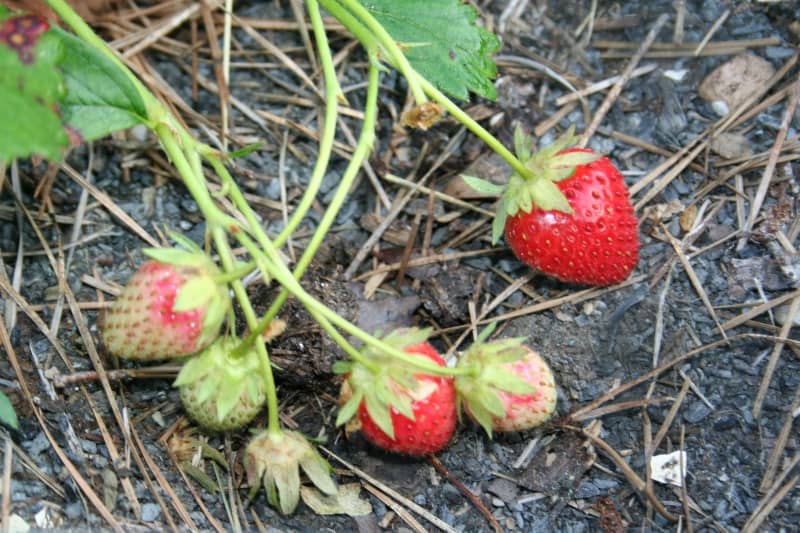
I use bird netting over my strawberry bed to keep all types of birds, but especially crows, out of the garden. It’s an inexpensive net that I place over a wire frame to make it easy to reach the berries (for me) but hard for the birds to grab them.
Removing Insects by Hand
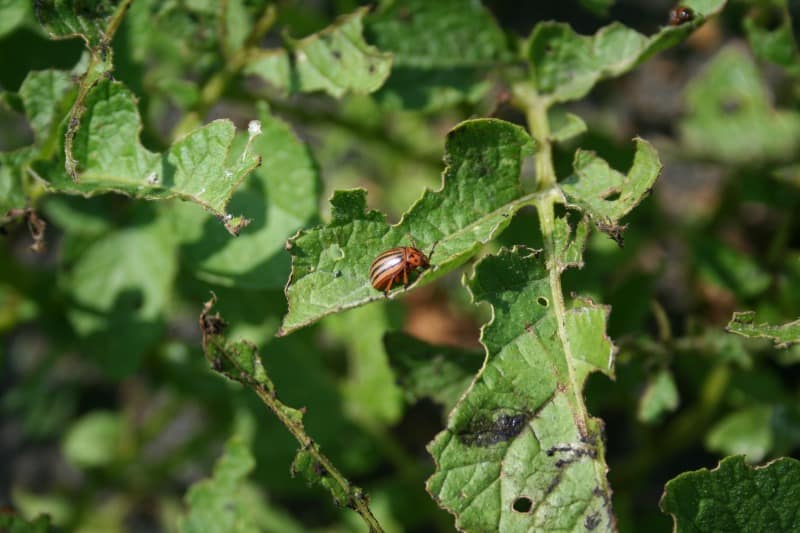
Colorado potato beetles are one of the easier insects to remove by hand. I know that sounds gross, and many of you are cringing at the thought, but you get used to it quickly.
To remove Colorado potato beetles, their larvae and pupa, fill a clean, empty glass or plastic jar with a lid 1/4 full of warm water with 1 teaspoon or so of liquid dish soap. Put on a pair of plastic gloves. Simply pick off the bugs with your fingers and drop them into the water. I’ll also place the open mouth of the jar under a leaf and gently tap the leaf to tumble a bug into the water. The soap coats their wings and they can’t fly out, so adults are trapped. Larva and pupa drown by themselves.
You have to repeat this process several days in a row with potato beetles and then every other day to catch them all. They’re wily little creatures and hide under leaves, fall into the soil, and miss being killed. That’s okay. I understand. But it’s me versus them when it comes to my potatoes and tomatoes, and I’m not willing to give them everything. They can have a little, but not a lot. So it’s off to a watery grave for them.
Creatures that Are NOT Pests!!!
One thing I want to add is that not every creature in your garden is a pest!
MOLES dig tunnels which can be a danger if you’re walking across the lawn and twist an ankle. But they DO NOT – repeat, DO NOT – eat plant roots. They dig for grubs, earthworms, and bugs in the soil.
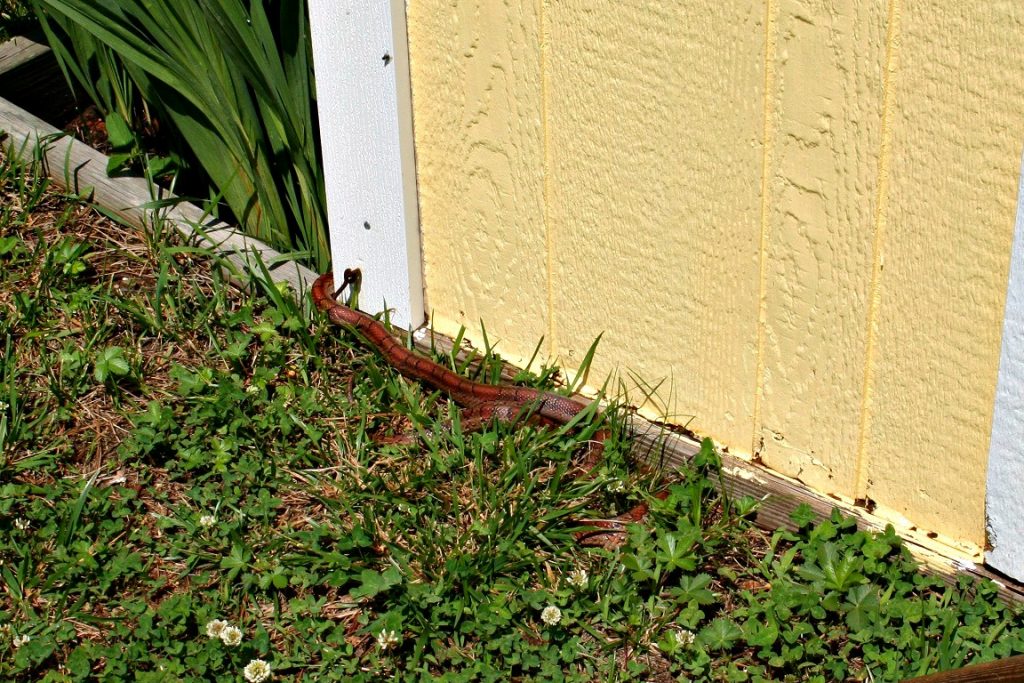
SNAKES are generally good for your garden! Many species of snakes eat insects as well as rodents. We have a corn snake, nicknamed “Merlin” for his ability to disappear quickly underneath the garden shed, living in our garden. Black rat snakes, corn snakes, garter snakes and other harmless species are good for the garden so don’t kill them. Just let them be!
SPIDERS, except for the brown recluse and black widow, are harmless, too. Big fat garden spiders help keep your garden free from harmful bugs and eat plenty of insects. They’re a gardener’s best friend!

BATS are also insect eaters and will eat hundreds, if not thousands, of mosquitoes and other insects in a night.
Nature will use its checks and balances to keep pests in line. If you’re concerned about organic gardening practice, learn how to use barriers like floating row covers, fencing, and the like to keep birds, bigs and creatures out of the garden.
Although it’s true that moles don’t eat plant roots, they sure can destroy a lawn by completely uprooting all of the grass. I absolutely love your garden photos – the one with the deer by the fruit tree is stunning! I love wildlife too and can’t imagine harming any of them, but like you I want them to KEEP OUT of my gardens. Mostly I use barriers and recently I’ve heard a new one: plant some of your dog’s hair along the border of your vegetable garden. The scent of a dog can deter some creatures. I’ll know soon if it’s worked.