• Skip to primary navigation
  • Skip to main content
  • Skip to footer
Home Garden Joy
  • Home
  • How to Garden
    • Garden Pests
    • Plant Diseases
    • Raised Bed Gardening
    • Seed Starting
    • Tools & Equipment
  • Plants
    • Plant Profiles
    • Vegetables
    • Fruit
    • Herbs
  • Recipes
    • Canning and Food Preservation
  • Books & Classes
    • Books by Jeanne Grunert
    • Books for Christian Herbalists
    • Herbalism Classes
  • About
    • Privacy Policy

What Is This Foam on My Plant?

May 24, 2018 by Jeanne

What is this foam on my plant? Why does my plant look like it’s lathering up for a good wash?

I walked out into the garden this morning and saw my lavender starting to bloom, which always cheers me up.

My second thought was, “What is this foam on my plant?”

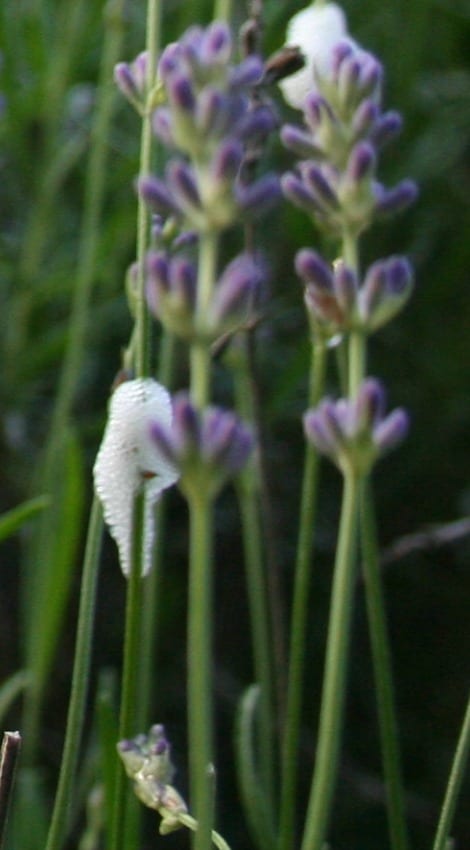
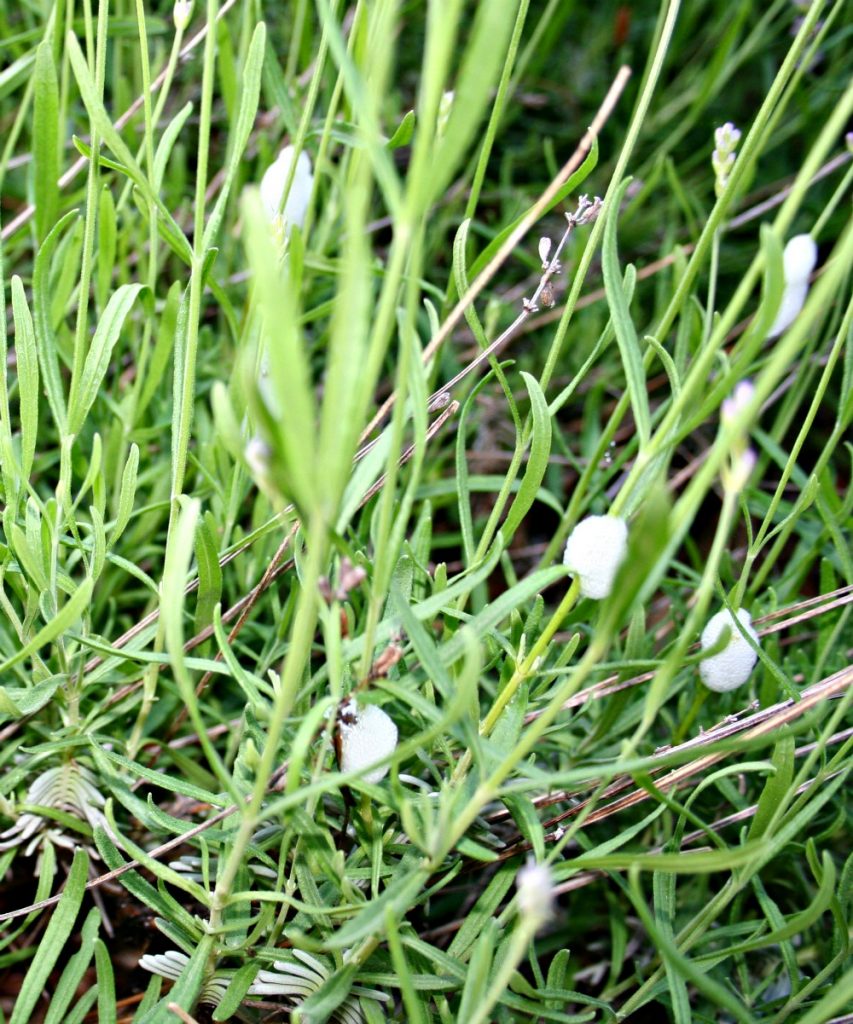
The lavender plants have foam at the stem junction…and not just one plant, but several.
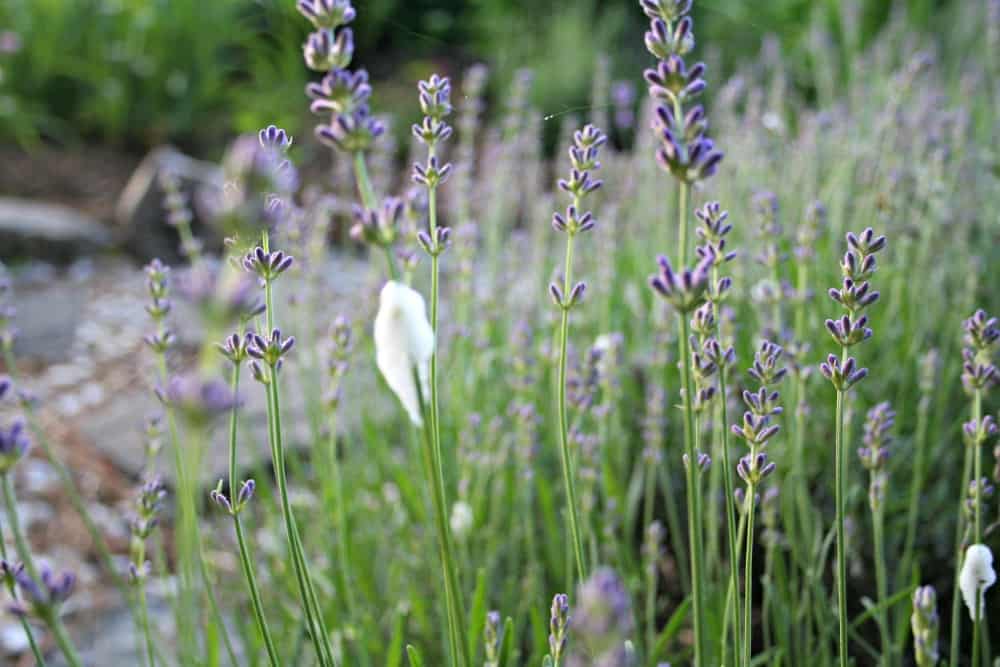
 

what is this foam on my plant


What Is This Foam on My Plant?

A quick search later to “what is this foam on my plant” led me to the answer: spittlebugs.

Haven’t heard of spittlebugs? Don’t worry, not many people have. They are relatively harmless sucking insects, meaning they have a piercing mouthpart that punctures the plant stem and sucks out some sap.

The nymphs secrete a substance which looks like foam. Each bubble of foam actually represents several nymphs, or young, of the spittlebug family.

The good news is that spittlebugs rarely do so much damage to a plant that they hurt it. The other bit of goods news is that they are easy to control through organic methods.

The bads news? They look ugly. But that’s an easy tradeoff.
spittlebugs

A colony of spittlebug nymphs on the lavender. They probably won’t do much harm to the plants but they are easy to remove.
Organic Remedy for Spittlebugs

The easiest organic remedy is as close as your garden hose. A blast of water from the hose will wash off spittlebug nymphs quicker than you can say “spittlebug nymphs.”

If that doesn’t work or if you have a large infestation, mix together 2 cups of water, 2 teaspoons of liquid dish soap (make sure it does NOT have bleach). 6 garlic cloves peeled, and 1/4 cup to 1/2 cup diced hot peppers. Puree the ingredients EXCEPT the dish soap; add dish soap last. Let sit for 24 hours then strain the solids.  Use a paper towel to wipe the foam off of the plants and then spray the organic liquid onto the plant where you saw the foam.

Wiping the nymphs off removes them. The hot pepper and garlic spray repels future spittlebugs from moving in.  To prevent future infestations, it’s also good practice to clean up the garden and remove dead plants in the fall, fallen leaves, and any annuals that have died from a frost in the fall. Removing the dead plant material quickly prevents the insects from over wintering near your plants.

I hope that this helps answer the question “What is this foam on my plant?” Happy gardening!
Filed Under: Home Garden Tips

Previous Post: « Dream Away the Winter Blue with the David Austin 2018 Rose Handbook
Next Post: Black Bean Burrito Recipe »

Footer

a wheelbarrow with bag of soil, trowel, pots and plants

Understanding Fertilizer: A Complete Guide for Home Gardeners

Understanding fertilizer is an important skill for beginning gardeners. In this guide, I’ll walk you through the basics. By the end of this article, you’ll understand fertilizer, what it is and what it does, and how to use it appropriately in the garden. Introduction: Why We Use Fertilizer in the Garden . Plants absorb nutrients…

Read More

red lettuce, mexican tarragon, and chard

The Best Organic Fertilizers

If you’ve been looking for ways to help your garden truly thrive — not just survive — organic fertilizers might just become your new best friend. They’ve become a cornerstone of sustainable gardening and farming, and for good reason: they don’t just feed your plants, they actually improve the health of your soil over time….

Read More

water droplets in sunbeams over a raised bed vegetable garden

Irrigation Tips for Home Gardens: Drip vs. Soaker Hose

Watering is one of the most essential tasks in maintaining a healthy home garden, yet it is also one of the most misunderstood. Many gardeners rely on overhead sprinklers or hand-watering, both of which can waste water and fail to deliver moisture efficiently to plant roots. Two of the most effective alternatives are drip irrigation…

Read More

chive plants in bloom with lettuce

The 10 Easiest Herbs to Grow

Grow them in pots, containers, window boxes, raised beds, or tucked among your flowers. These are the 10 easiest herbs to grow in almost any temperate garden. They take up little space, are generally unfussy, and are used in lots of recipes. What Do I Need to Start an Herb Garden? You don’t need a…

Read More

  • About
  • Plant a Row for the Hungry
  • Awards
  • Privacy Policy

Let’s Connect!

  • Facebook
  • Instagram
  • Pinterest
  • Substack
  • YouTube

Copyright © 2026 Home Garden Joy on the Foodie Pro Theme