Where do bugs go in the winter? Many insects find places to winter over, such as in leaf debris on the forest floor. Others find snug retreats inside bark, under shrub leaves, and more.
Where Do Bugs Go in the Winter?
I’ve always wondered where bugs go in the winter…where are they hiding? Are they in the soil, the trees, or what?
The answer may surprise you!
According to the Smithsonian Institution, where those pesky garden insects end up during the cold weather depends upon the insect species and where you live.
How Insects Live Through the Winter
Here are several common ways in which insects survive the winter. The exact method an insect species uses to survive winter temperatures in your part of the world may vary depending on the species and the local climate.
Migration
Nearly every gardener has heard of the monarch butterfly. That’s a great example of insect migration. It’s miraculous how monarchs navigate, even through several generations, from Mexico all the way up to Canada and back again. Other insects find their own method of migration, sometimes traveling southward to follow their food source and then migrating northward again as the months warm up and their desired food becomes available again.
Overwintering as Larvae
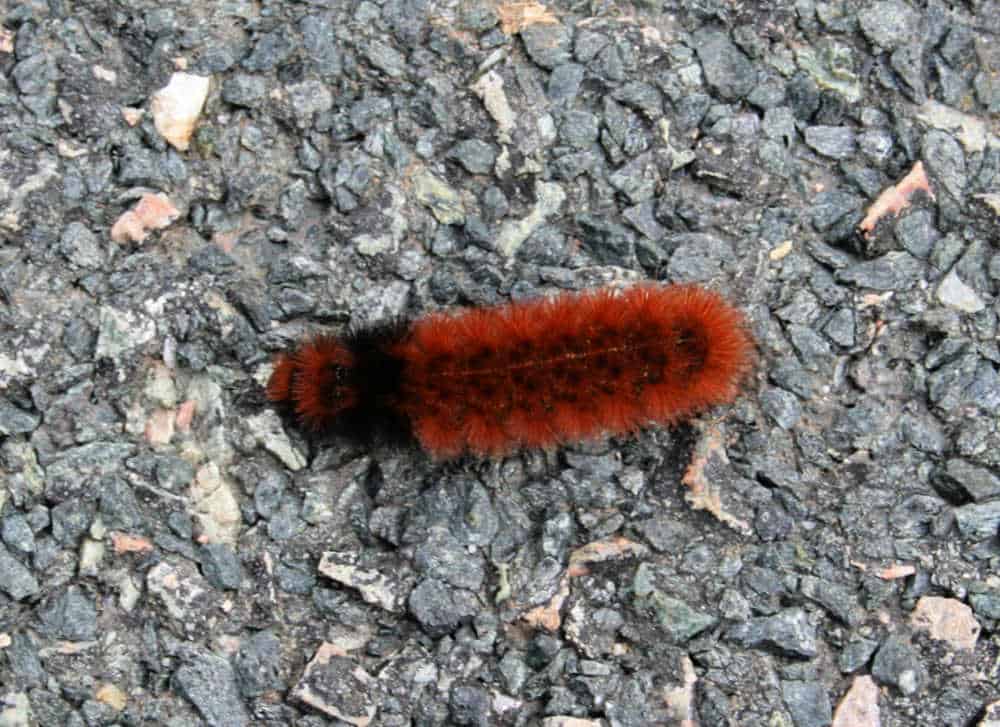
Have you ever seen the woolly bear caterpillar? Cherokee legend has it that the darker the stripes, the harsher the winter. Scientists say that the stripe color depends on what the larvae eat in late fall, but no matter; the little caterpillars hustling along the roadways in the fall are seeking leaf litter or thick covers of fallen leaves in which to wait out the winter. This is an example of overwintering as larvae. They will remain hidden under the leaves, like children under fluffy quilts, until the weather warms and they can complete their lifecycle and turn into the Isabella tiger moth.
Grubs are also larvae, but the larvae of the Japanese beetle, a major scourge in North American gardens starting in June. The Japanese beetle burrows deeply into the soil; soil acts as insulation for their larvae, which we call grubs.
Overwinter as Pupae
Silkworm family moths pupate and attach to branches of their chosen food trees during the winter. This way, when spring arrives, they are already lined up at their favorite buffet.
Overwinter as Nymphs
Some insects spend the winter in the nymph stage. Dragonflies, mayflies, and insects that live near water may remain in the nymph stage throughout the winter.
Overwinter as Eggs
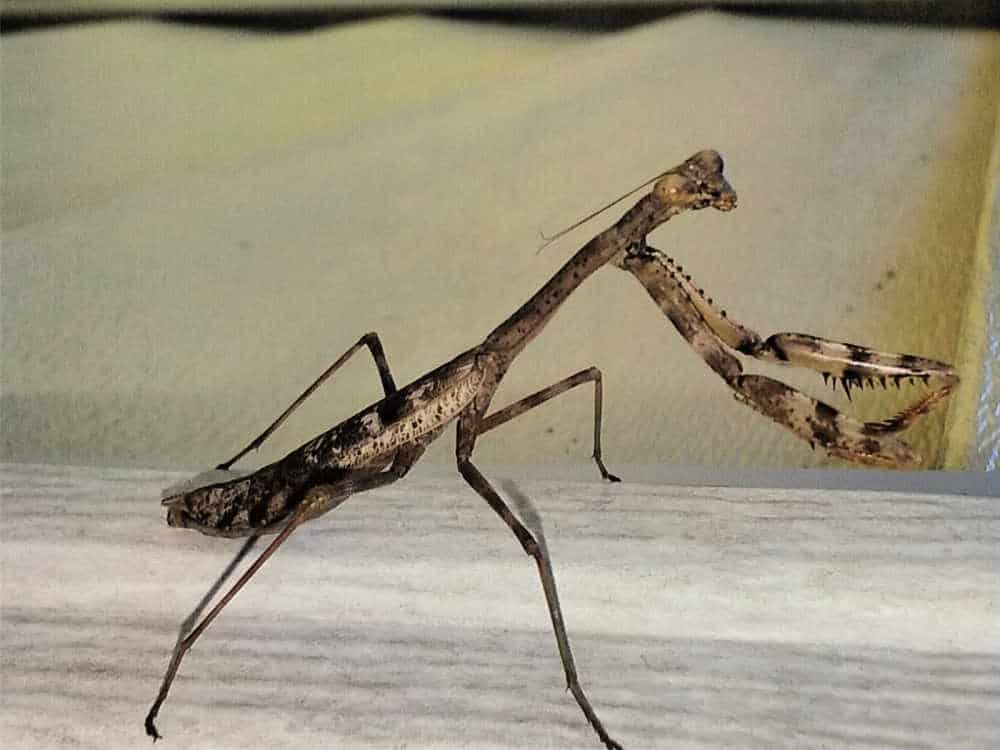
Others overwinter as eggs. The praying mantis lays a thick-walled, round or oval cocoon filled with her eggs. The young hatch in the spring, emerging as mini adults and eating small live prey until by the end of the summer they are large enough to eat mature insects.
Hibernation
Lastly, some bugs hibernate during the wintertime. Bees remain in their hives, huddling together for warmth. The Mourning Cloak butterfly hibernates in tree holes during the winter months. Ladybugs are notorious for finding places to hibernate here in Virginia. They swarm into houses in the fall and hide in ductwork, behind picture frames, and in corners of rooms. In the wild, they would find a cave or rock crevice to hibernate in.
The answer to the question, “Where do bugs go in the winter?” or how do insects survive the winter varies depending on the insect species. Whether it’s assassin bugs, Japanese beetles, wolf spiders or other insects, the natural world is fascinating.