Snakes in the garden scare many people. I used to be one of them. I thought copperheads lurked around every stone, just waiting to strike.
October marks out 17th year living on Seven Oaks Farm in Central Virginia. Over the years, I have gotten to know, appreciate, and love the many snakes we have seen in the garden. Snakes in the garden are a gift. Here is what you need to know if you find a snake in your yard.
Snakes in the Garden: Natural and NOT Pests
First, it is natural to find snakes in the garden. They are wild creatures like turtles, frogs, and other reptiles. When I encounter snakes on the lawn or among my perennial beds, I give them a bit of space and let them go on their way.
What do snakes eat?
Most snakes I’ve met in my yard here in Virginia eat insects or rodents. They do not eat people or pets. Snakes serve an important purpose. They maintain balance in the ecosystem, keeping the population of insects and rodents down.
Do they eat or harm plants?
NO. No snake in Virginia eats or harms plants. Just let them be, and they will leave you alone!
Types of Snakes in Virginia
According to Herping Virginia (herpetology is the study of snakes), there are 32 native species of snakes in Virginia. For pictures and help identifying any in your garden, visit their site. The color pictures are quite helpful.
Snakes I Have Encountered in Central Virginia
Here are a few that I have encountered:
- Hognose snake: I met this fellow yesterday in my yard on the edge of the woods, and I have seen one while walking my dog along the road. The hognose snake is a small snake with a mostly grayish-brown body and uneven dark patches, similar to a juvenile rat snake. The head, however, flattens out when the snake feels threatened, and it plays dead. Since I almost stepped on this snake yesterday, he did indeed feel threatened. I backed up a few steps, and he raised his head and formed a cobra hood, hissing! The hognose snake both “plays dead” and mimics the dreaded cobra to make itself look fierce, but it is a gentle and harmless snake.
- Smooth or Rough Earthsnake: These are neat little snakes resembling earthworms. I find these in the perennial garden when weeding tall grass near the border. This snake is nonvenomous and gives birth to live young, which I find fascinating.
- Corn Snake: A beautiful orange and cream-colored corn snake lived in our garden shed. He disappeared so fast when we opened the door we nicknamed him “Merlin” for his wizardry. Corn snakes eat rodents, and our friendly visitor probably kept the mice and rodent population down in the compost pile next to the shed.
- Rough Green Snake: Such a pretty snake! This critter eats soft-bodied insects, including crickets, spiders, and caterpillars. We see them in our perennial garden and the flower garden near the kitchen.
- Black Snake and Rat Snake: We have plenty of black snakes, rat snakes, and similar species. My husband once asked me if I had left the hose on the deck railing. I said we don’t have a black hose, only green. We realized in a flash it was an enormous black snake that had draped itself over our porch rail. My husband used a shovel to gently lift it off and onto the lawn, where it quickly slithered back into the woods. We have seen many of them over the years, usually on the edge of the woods.
Venomous Snakes in Virginia
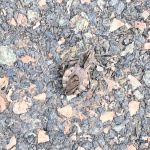
There are only three venomous snakes in Virginia; the Eastern Copperhead, the Northern Coppermouth, and the Timber Rattler. Of these three, the most dangerous in my area is the Eastern Copperhead, which is prevalent in woodland areas. We step carefully in the forest, especially this time of year when the snakes are difficult to see on the forest floor among the fall foliage.
If you do encounter a venomous snake, back away. It won’t chase you. Snakes do not want to harm you. They will try to defend itself if it feels threatened. And, of course, if you are bitten, seek medical attention immediately. Pets can also be bitten, so watch your dogs when loose. Our Zeke’s littermate was bitten on the nose when her curiosity – and an Eastern copperhead – got the best of her!
Leave Snakes in the Garden Alone
For those who have read this far, you know how I feel about snakes in the garden: leave them alone. They won’t hurt you. They keep insects and rodents in check. And they belong here. I enjoy seeing them and wish them well at our farm.