I love sunflowers, so when the National Gardening Bureau reached out with the news of Sunfinity® Sunflowers, I had to check them out. This new sunflower variety keeps blooming long after traditional sunflowers call it quits. While many common varieties offer only a few weeks of color and stop producing flowers once cut, this series was developed to deliver an extended season of nonstop blooms—often stretching to roughly three months of vibrant display.
All of the photos shown in this article are credited to The National Gardening Bureau and are used with permission.
A Family of Vigorous, Branching Sunflowers!
The Sunfinity line includes several forms, each with a similar growth habit but its own visual personality. All are well-branched hybrids designed to fill space generously, whether planted in garden beds or large containers.
- Yellow Dark Center typically reaches three to four feet in height and spreads about two feet wide.
- Yellow-Red Bicolor shares the same dimensions, offering a more dramatic two-tone look.
- Double Yellow grows slightly shorter, topping out around two to three feet.
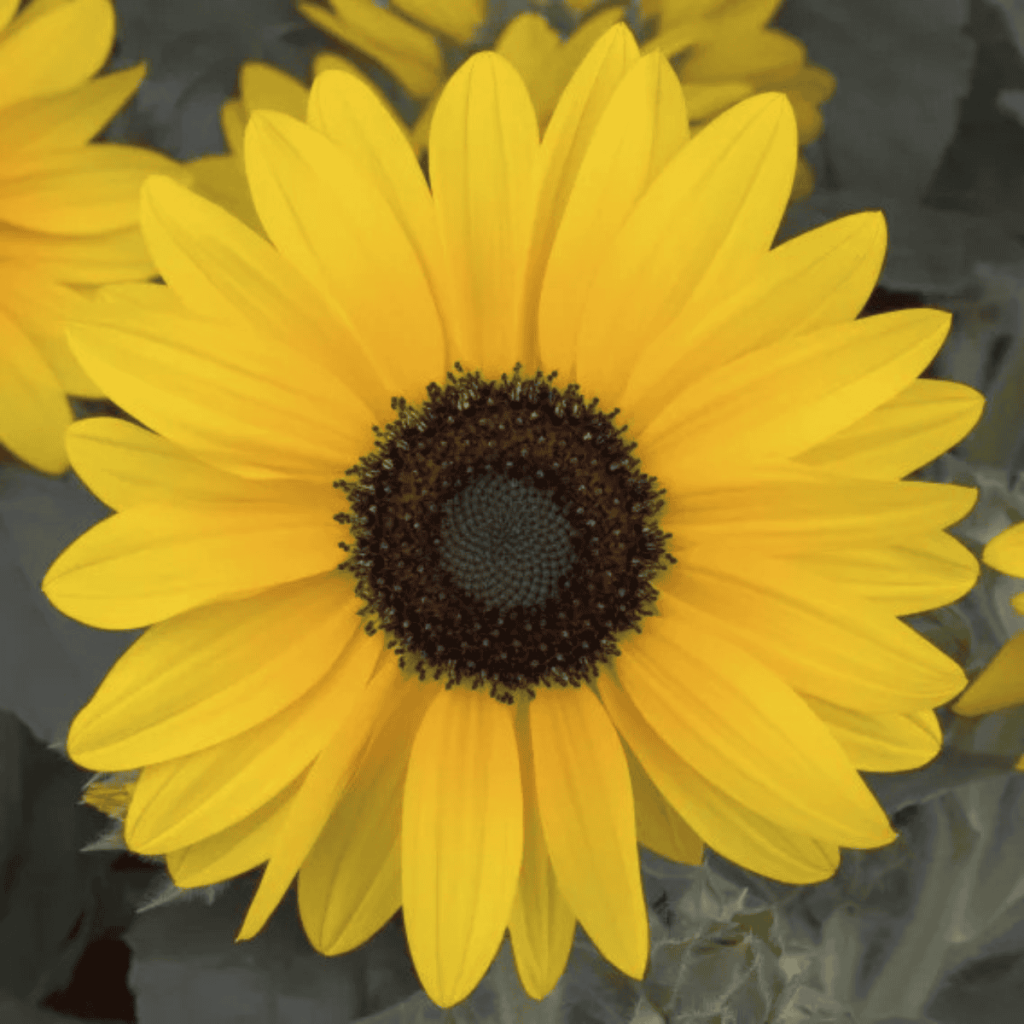
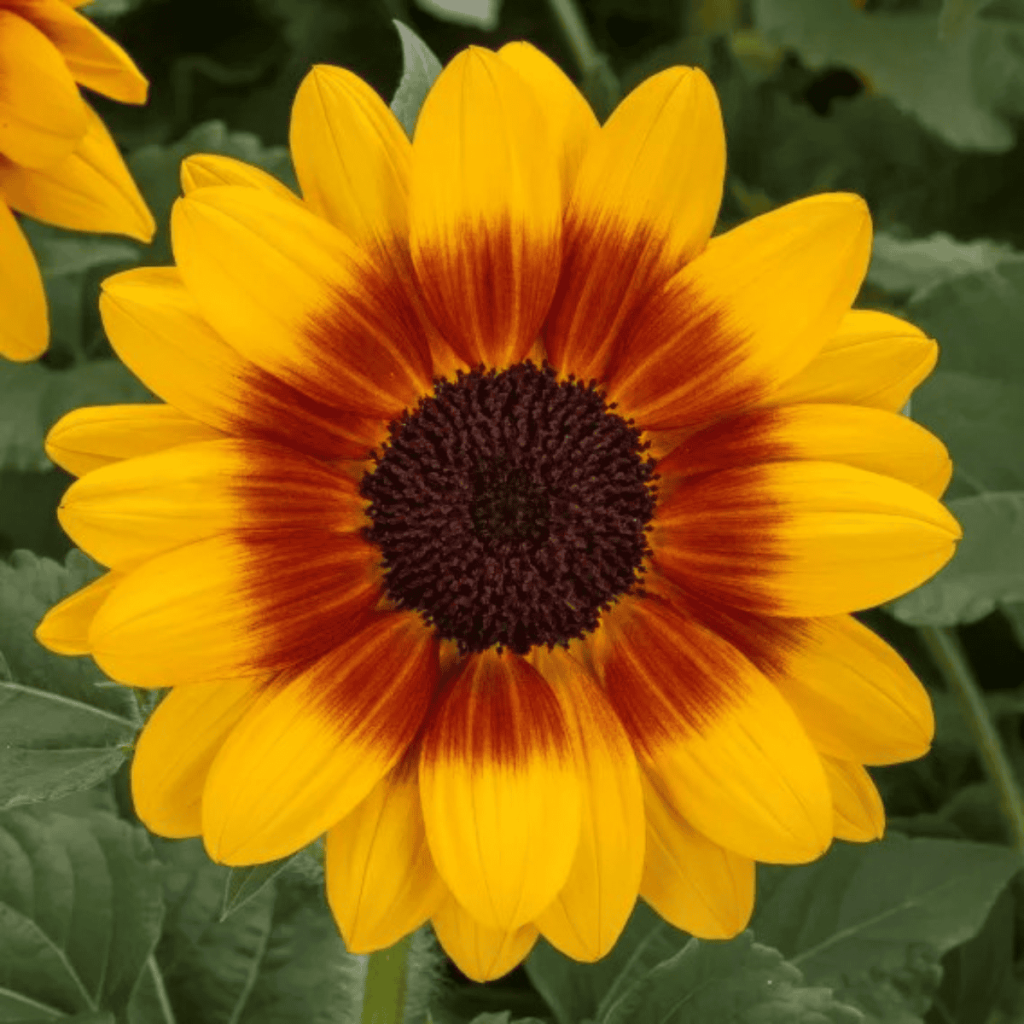
Regardless of the selection, each plant is built to produce flower after flower throughout the warm months.
Getting the Best Performance from Your Sunfinity Sunflowers
To keep these sunflowers at their peak, consistent feeding makes a noticeable difference. A water‑soluble fertilizer applied regularly—or a slow‑release option refreshed every month or so—helps sustain their vigorous growth. They also shine when combined with plants of different heights and bloom periods, creating layered plantings that stay visually interesting from early summer into fall.
How to Grow Sunflowers
Sunflowers thrive when they get full, direct sunlight, ideally six to eight hours a day. They’re heliotropic when young, meaning they follow the sun, so planting them in an open area without shade gives them the best start. Because they grow tall and fast, consistent light helps them build strong stems that won’t topple in summer storms.
They prefer well‑draining soil enriched with organic matter. A loamy mix works best, but sunflowers are surprisingly tolerant and can grow in poorer soils as long as water doesn’t pool around their roots. Before planting, loosening the soil to a depth of about two feet helps their long taproots anchor deeply. A balanced, slow‑release fertilizer can support growth, but avoid over‑fertilizing—too much nitrogen leads to lots of leaves and fewer blooms.
Watering is most important early on. Keep the soil evenly moist until seedlings establish, then water deeply but infrequently to encourage strong root development. Mature sunflowers are drought‑tolerant, but they still benefit from a thorough soak during dry spells. Consistent moisture, good soil, and abundant sunlight together create the conditions for tall, vibrant blooms.
A Magnet for Garden Butterflies, Birds, and More
Although Sunfinity sunflowers generate little pollen and few seeds, they offer abundant nectar. This makes them a valuable resource for bees, beneficial insects, and birds. For gardeners building pollinator‑friendly spaces, they serve as a reliable, season‑long attraction.
Versatile in Containers
These sunflowers adapt beautifully to patio planters. Their size and branching habit allow them to anchor mixed containers or stand alone as bold focal points. Changing the look is as simple as choosing different pot shapes or colors. As autumn approaches, they pair naturally with seasonal accents like pumpkins or straw bales.
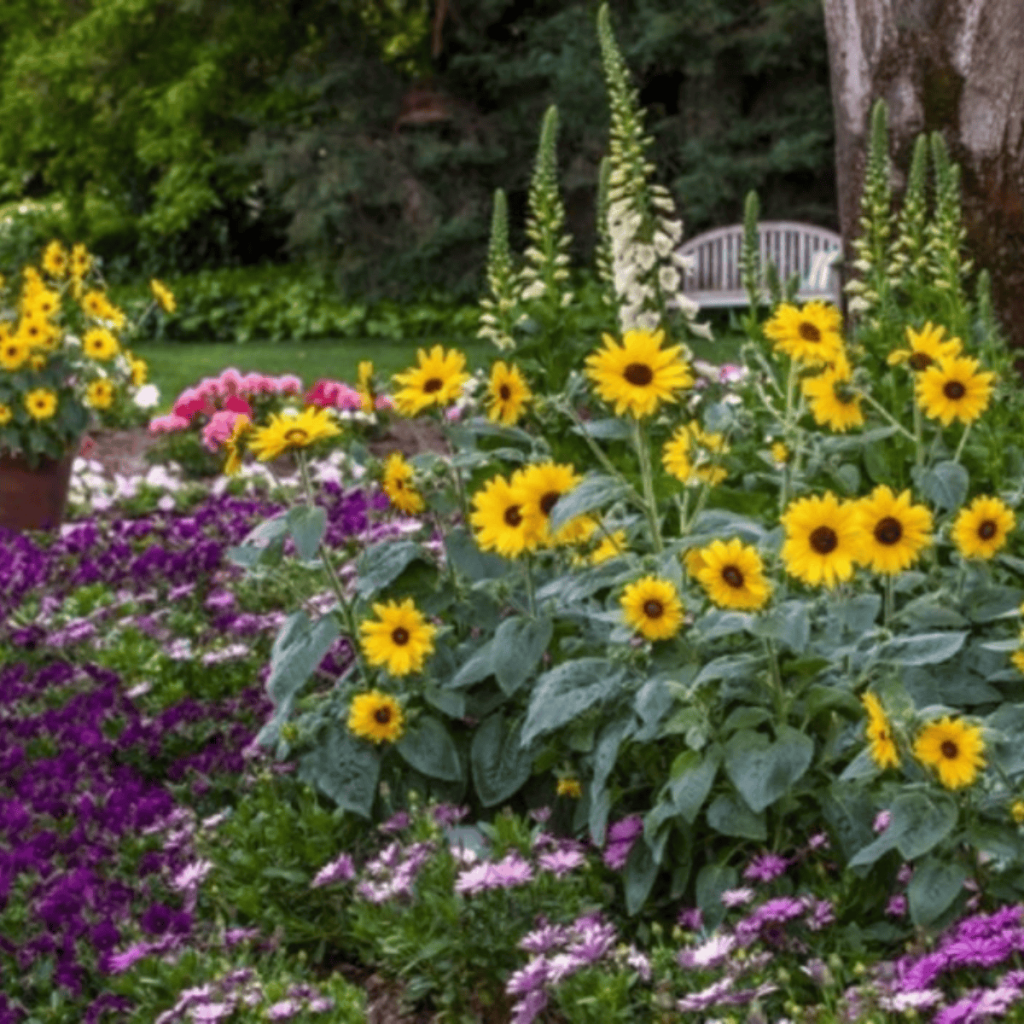
Creative Plant Pairings
The series blends easily with a wide range of companion plants. Some suggested combinations include:
- Double Yellow with white scaevola, soft pink pentas, and dark‑leaved ipomoea
- Yellow‑Red Bicolor with chartreuse coleus and lime‑toned ipomoea
- Double Yellow with purple petunias and golden lysimachia
These mixes highlight the sunflower’s bright tones while adding contrast and texture.
Ideal for Indoor Arrangements
Sunfinity sunflowers also excel as cut flowers. Their stems can be harvested from either container‑grown or in‑ground plants and placed in fresh water with floral preservative. Because they shed very little pollen, they are tidy choices for indoor spaces. Their golden tones pair well with other summer favorites such as zinnias, chrysanthemums, snapdragons, dahlias, and penstemon, allowing endless possibilities for home‑crafted bouquets.