
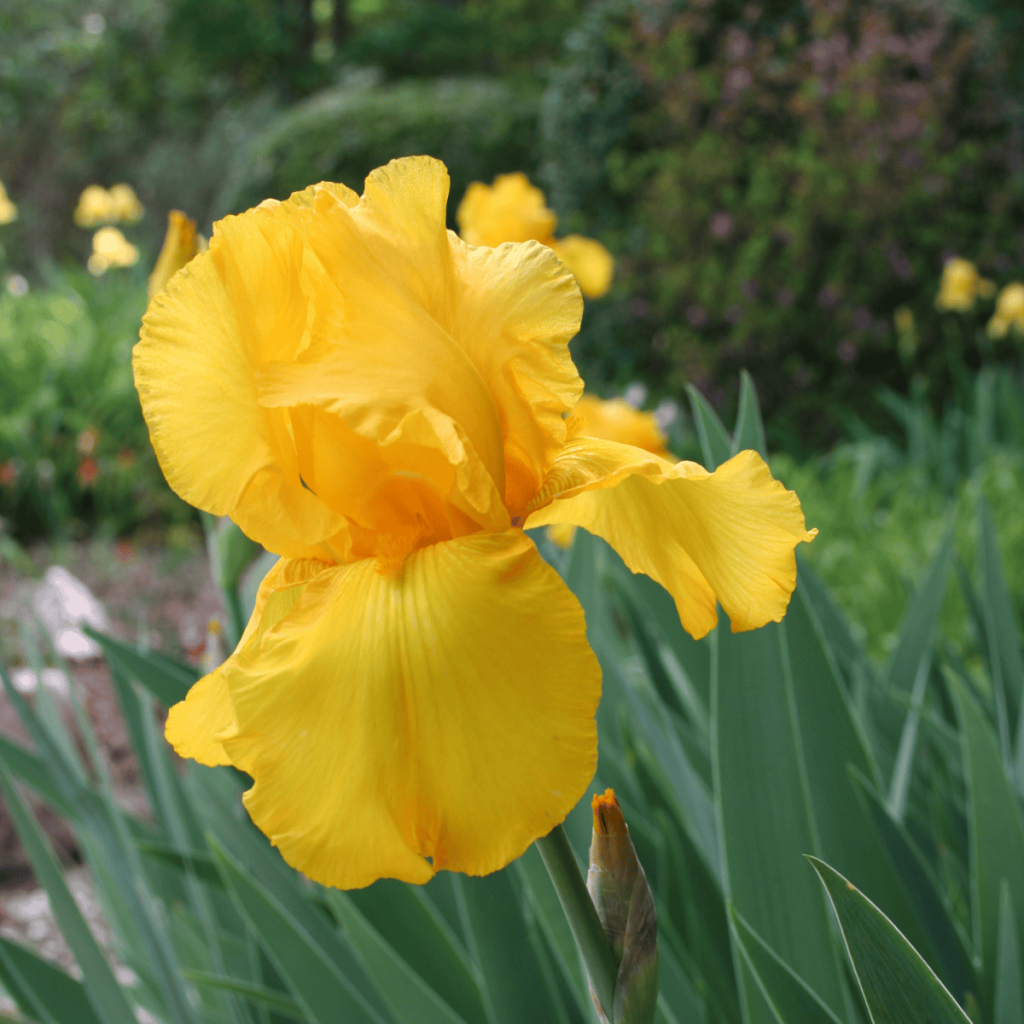
How to ship iris rhizomes (bearded iris) correctly is a simple skill, and one worth learning if you’re interested in pass-along plants.
When I was a girl, it was common for neighbors to share plants. Someone would divide their peonies or iris and offer a portion to a neighbor. These “pass-along plants” came with stories, wonderful stories.
Last year, a social media friend – someone, years ago, I would have called a ‘pen friend’ because we are both writers exchanging written messages frequently – shared iris rhizomes with me. She mailed me this gift, sharing the story of how she had acquired them from a beau long ago. I was honored by this gift and am glad to say that three of the rhizomes have rooted in my garden.
I look forward to the day when they bloom.
This year, it was my turn to mail iris rhizomes to my friend. Her garden was decimated by a blight last year, and she wanted to replant with irises. I divided three of my largest, healthiest iris beds and packed them for shipping.
Here’s how to ship iris rhizomes in the United States. There is also a longer guide available from The Guardian Gardener’s Handbook that is worth reading.
How to Ship Iris Rhizomes: Divide and Clean
First, select only healthy, vigorous plants. The plants I shared came from mature iris beds that needed dividing.
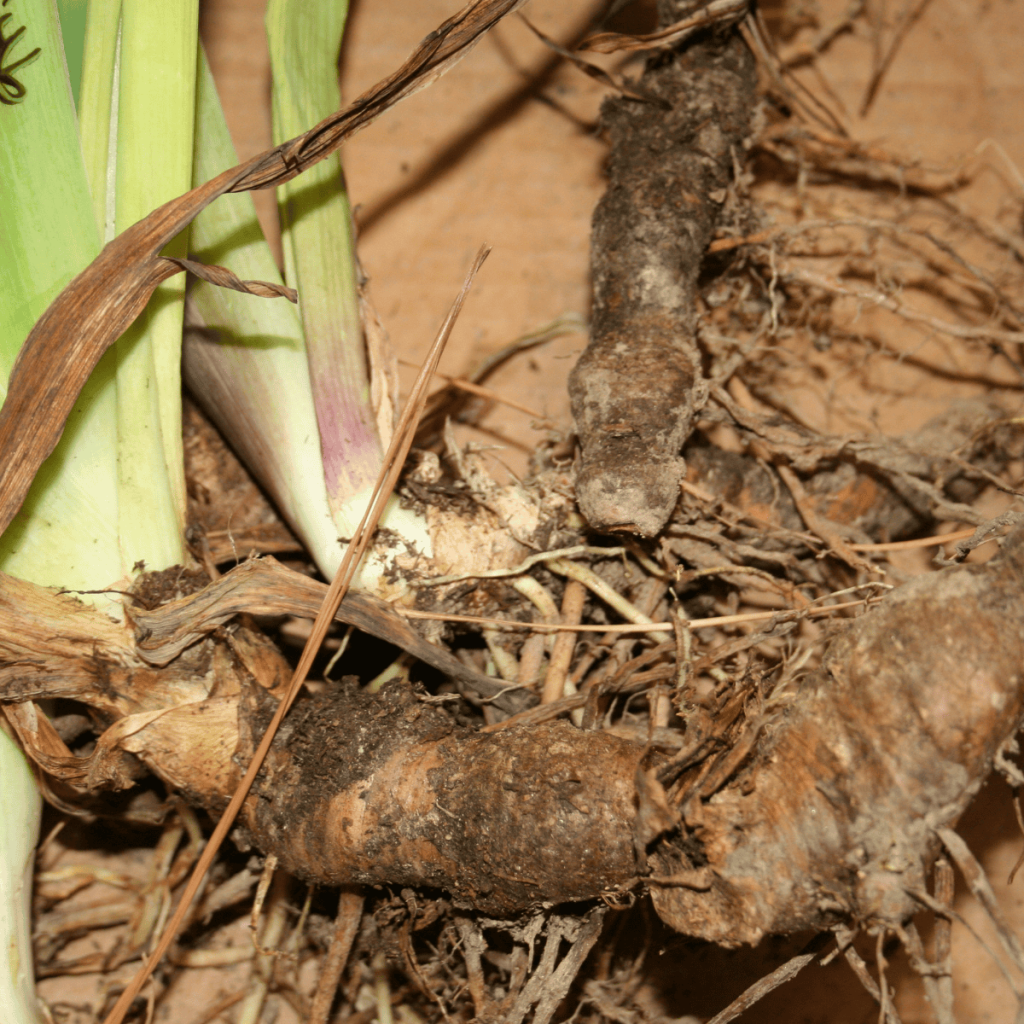
Iris rhizomes grow very near the surface. They have a long, thick rhizome (root) with side roots, kind of like a potato. Dig the desired rhizome carefully. Brush off large clumps of soil.
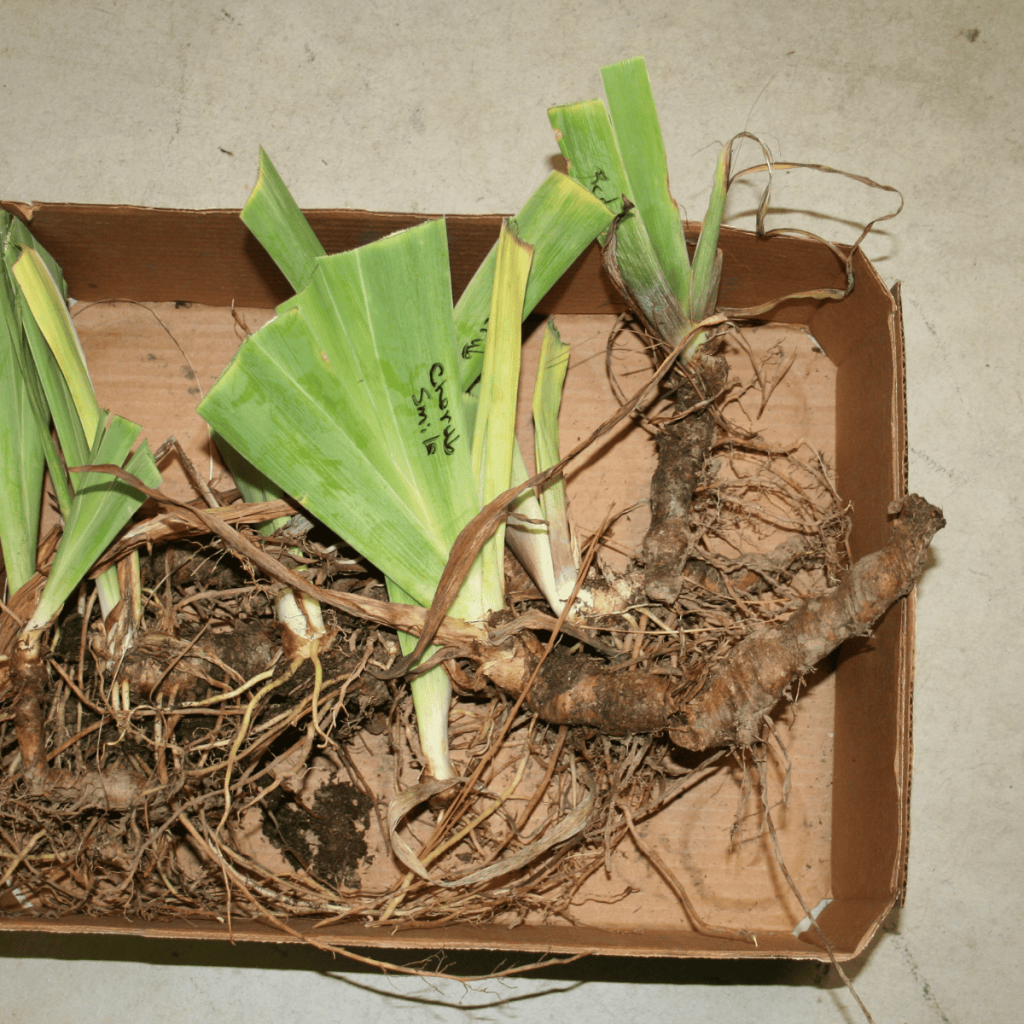
- Cut the leaves of the iris plant into V-shapes or a fan shape.
- Wash the rhizome with water from a garden hose to rinse off all dirt.
- Lay the rhizomes on paper or cardboard to dry.
- Allow them to dry completely. This takes about 24-48 hours.
- Write the variety name using a permanent magic marker on a leaf. You may need to brush off the leaf to get the ink to stick.
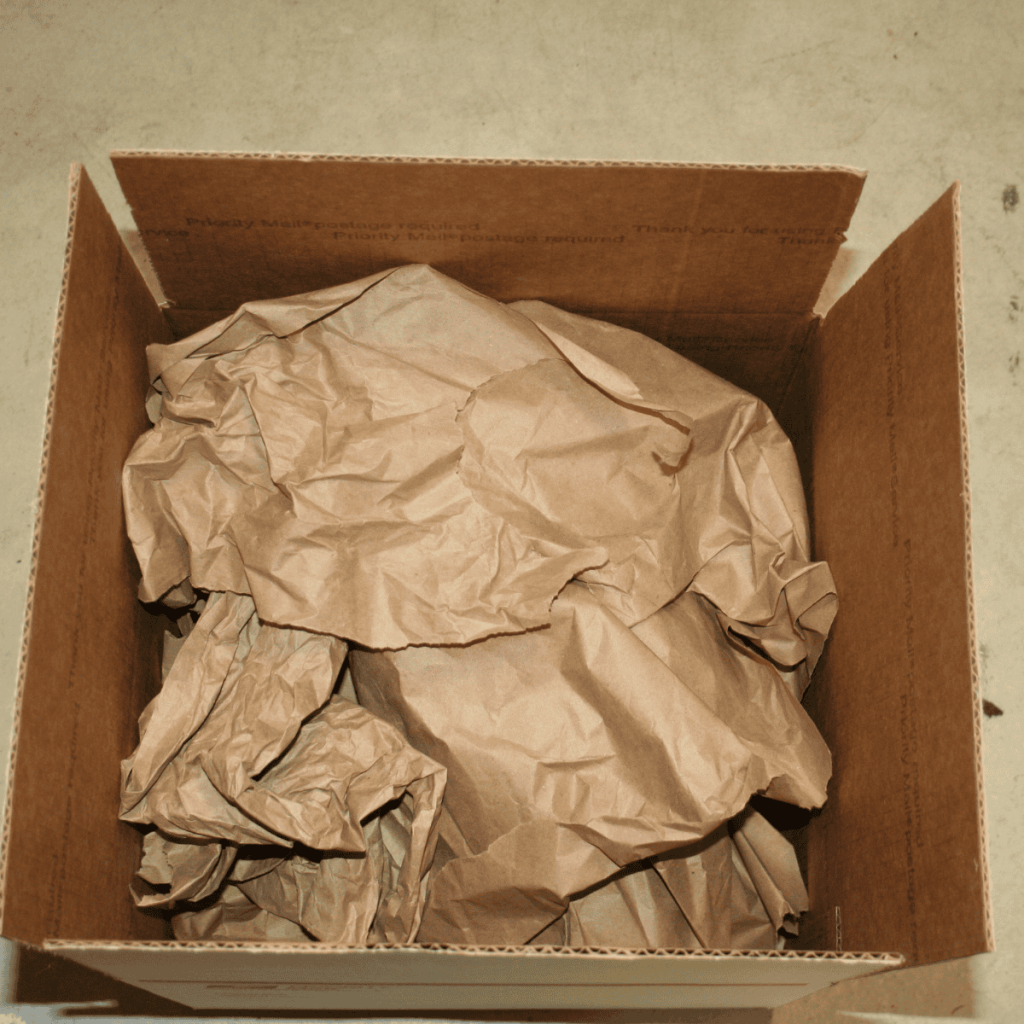
- Wrap the dry rhizome in paper. Do not use plastic or any wet material. You want to ship the rhizomes very dry.
- Place inside a United States Priority Mail box or a suitable cardboard box. Use only paper for extra packing materials.
- Enclose your note or a slip stating the name and variety of the plant materials and that it is a gift.
- Mail the box at your post office. Tell the clerk what is in the box. I put a label on the outside that states “Iris Rhizomes – Plant Material – Gift” to make it clear what I am shipping.
- Ship using Priority Mail. It’s helpful to mail the package early in the week to prevent it from getting stuck an extra day over the weekend.
Preparation Tips
Don’t bleach the iris rhizomes before shipping! Just use a garden hose and plain water rinse to get the soil off the rhizome. Check the roots for any mushy spots, holes, or similar signs of iris borer. If you see any signs of iris borer, discard the root and do not ship it.
Make sure the roots are dry and as free of soil as you can before shipping them. Soil can harbor bacteria or insect pests. Prevent the spread of garden pests by removing the soil.
A Note About How to Ship Iris Rhizomes
Shipping plants by mail is permitted, but it is governed by rules from the U.S. Department of Agriculture. In general, you can mail plants to friends, but only plants that are allowed, and only to certain states.
Before shipping any plant material, please:
- Research the rules about shipping the plants from your U.S. state to the recipient’s state.
- Follow all official U.S. Postal guidelines and USDA guidelines for packing and shipping the plants.
The information provided in this article is for educational purposes only for hobby gardeners interested in sharing their plants by mail. It’s up to you to follow the laws and regulations of your state, the USDA, and the United States Postal Service regarding shipping irises or any other plants.
If you are outside of the United States and reading this article, please research your own country’s laws regarding shipping plant material. Do not ship plants into the United States without the proper authorization and inspection.
And lastly, these instructions are for hobby gardeners sharing plants as gifts. If you want to sell plants, you need a nursery certificate. Again, contact your state’s agricultural department to learn more about licensing as a plant seller in your state.