If you’ve been looking for ways to help your garden truly thrive — not just survive — organic fertilizers might just become your new best friend. They’ve become a cornerstone of sustainable gardening and farming, and for good reason: they don’t just feed your plants, they actually improve the health of your soil over time. Unlike synthetic fertilizers that deliver a quick, concentrated burst of nutrients, organic options work in harmony with nature’s own rhythms. Think of them as a long-term investment in your garden rather than a quick fix.
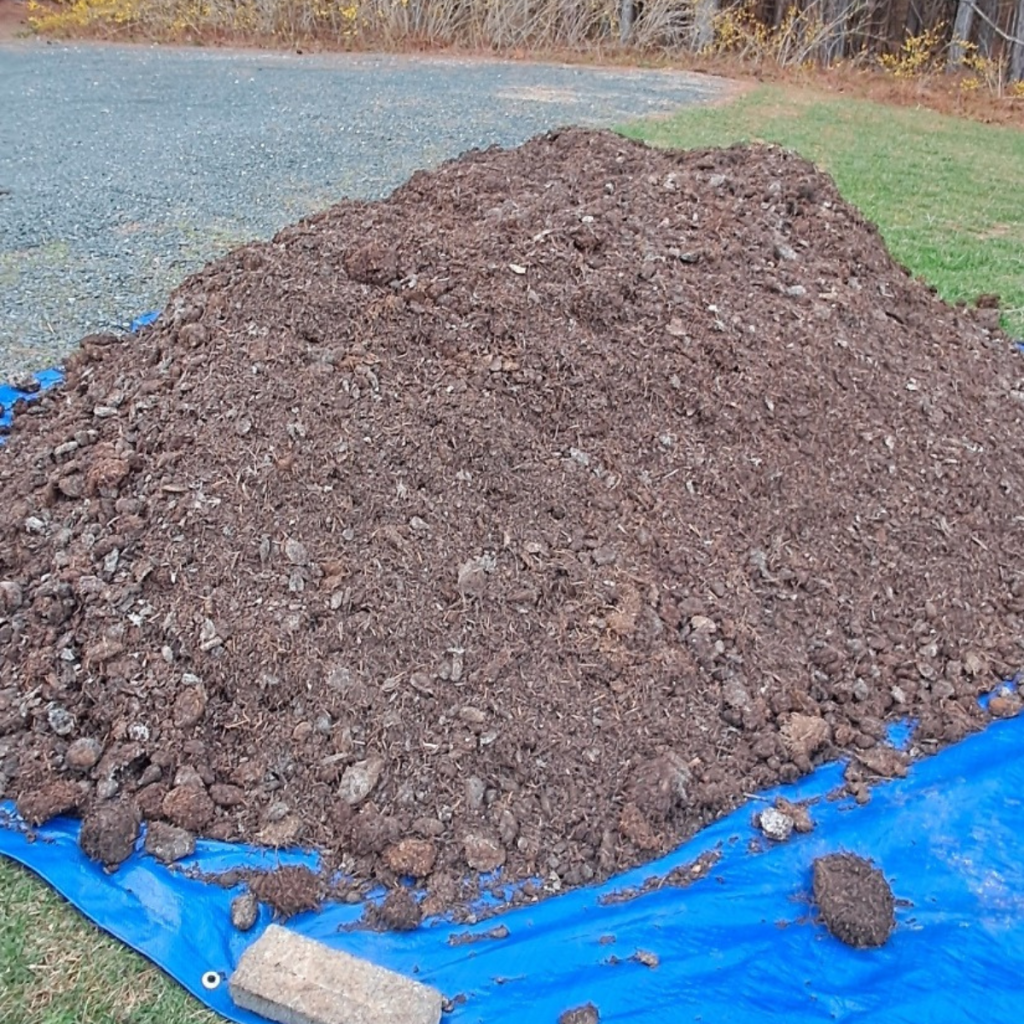
Here at Seven Oaks Farm, where I garden (and take all the pictures you see!) I use a combination of mushroom soil and compost for a healthy organic soil mix. Let’s take a closer look at the best organic fertilizers so you can pick the ones that work best for your garden.
Key Takeaways
- Organic fertilizers improve soil health and provide steady nutrient release, making them ideal for sustainable gardening.
- Main types include plant-based, animal-based, and mineral-based fertilizers, each serving different purposes for plant growth.
- Key organic fertilizers like compost, aged manure, and worm castings are essential for vibrant gardens and can be tailored to various plant needs.
- DIY methods like composting and vermicomposting can save money and enhance your garden’s nourishment.
- Using organic fertilizers benefits both plants and the environment by enhancing biodiversity and reducing nutrient runoff.
How Organic Fertilizers Help Your Soil and Plants
What makes organic fertilizers so special is how they work with your soil, not against it. Their nutrients come bound up in natural materials (things like compost, manure, or minerals), and your soil’s microbes break these down gradually, releasing nutrients in a gentle, steady stream that your plants can actually absorb as they need them.
But that’s not all. Organic fertilizers also add organic matter to your soil, which is wonderful for texture. Sandy soil holds onto water better, while heavy clay loosens up and breathes more easily. Over time, you’ll notice your soil becoming a lively ecosystem: earthworms, beneficial fungi, and countless microbes making their home there. Once you get that thriving community established, your garden practically starts taking care of itself.
The Main Types of Organic Fertilizers
There are three big families of organic fertilizers, and each has its own personality.
- Plant-based fertilizers come from plant materials and tend to break down fairly quickly. They’re wonderful for improving soil structure and providing gentle, balanced nutrition. Favorites include compost, seaweed, kelp meal, and alfalfa meal.
- Animal-based fertilizers tend to be richer in nitrogen and phosphorus, making them great for encouraging lush leafy growth and strong roots. You’ve probably heard of many of these: manure, bone meal, blood meal, and fish emulsion.
- Mineral-based fertilizers are slow and steady, supplying essential minerals that your soil might be missing and correcting long-term deficiencies. Rock phosphate, greensand, lime, and gypsum all fall into this category.
Our Favorite Organic Fertilizers
With so many options out there, it helps to know which ones are real workhorses.
- Compost is probably the MVP of the organic gardening world. It provides a balanced mix of nutrients AND improves soil structure — truly an all-purpose superstar.
- Aged manure delivers nitrogen and organic matter without the risk of burning your plants. It’s especially great for vegetable gardens or soil that’s been depleted over time.
- Worm castings might sound a little unusual, but these are packed with beneficial microbes and gentle nutrients. Seedlings especially love them.
- Fish emulsion is your go-to when plants need a quick pick-me-up. It delivers fast-acting nitrogen in liquid form, perfect for correcting deficiencies mid-season.
- Bone meal is a phosphorus powerhouse — fantastic for strong roots, beautiful blooms, and especially helpful for bulbs and fruiting plants.
- Kelp meal is loaded with micronutrients and natural growth hormones that help plants handle stress from heat, drought, or transplanting. Think of it as a multivitamin for your garden.
- Rock phosphate provides long-term phosphorus availability, particularly if you have acidic soil.
- Greensand adds potassium and trace minerals while also improving soil texture — a nice bonus.
- Alfalfa meal gives plants a nitrogen boost plus natural growth stimulants that encourage vigorous, healthy development.
Feel free to mix and match based on what your garden needs — there’s no single right answer!
Finding the Right Fertilizer for Your Garden
A little knowledge goes a long way here. The N-P-K ratio you’ll see on fertilizer packaging tells you the percentage of nitrogen, phosphorus, and potassium. Nitrogen encourages leafy growth, phosphorus builds strong roots and flowers, and potassium supports overall plant health and disease resistance.
Getting a soil test is honestly one of the best things you can do for your garden. It takes the guesswork out of fertilizing by revealing exactly what your soil needs. Many factors, including nutrient deficiencies, pH levels, and organic matter, are addressed in a single report. From there, you can pick fertilizers that address your specific situation.
How to Apply Organic Fertilizers
There’s more than one way to feed your garden, so you can pick the approach that works best for you.
- Top-dressing means spreading fertilizer on the soil surface and letting it gradually break down and feed your plants — low effort, good results.
- Side-dressing places fertilizer near the base of plants during peak growing periods, giving them a nutrient boost right when they need it most.
- Incorporating into soil before planting works beautifully for compost or manure, giving everything a head start.
- Liquid applications like fish emulsion or compost tea deliver nutrients quickly and can even be sprayed directly on leaves for foliar feeding.
As for how often to apply: slow-release materials like compost usually only need to go on once or twice a year. Liquid fertilizers can be used more frequently throughout the season.
Matching Fertilizers to Specific Situations
Different parts of your garden have different appetites.
- Vegetable gardens tend to be hungry, especially heavy feeders like tomatoes and corn. They love nitrogen-rich materials like compost, manure, or alfalfa meal.
- Lawns do well with slow-release nitrogen sources like compost or organic lawn blends that feed steadily over time.
- Flower beds respond beautifully to bone meal and kelp meal, which support both blooms and stress resistance.
- Trees and shrubs benefit from deep applications of compost or mineral fertilizers that build long-term soil health around their roots.
- Container gardens need a bit more attention since nutrients leach out quickly through drainage. Worm castings or balanced organic blends work really well here.
Make Your Own at Home
One of the joys of organic gardening is that you can make some excellent fertilizers yourself — and save money in the process!
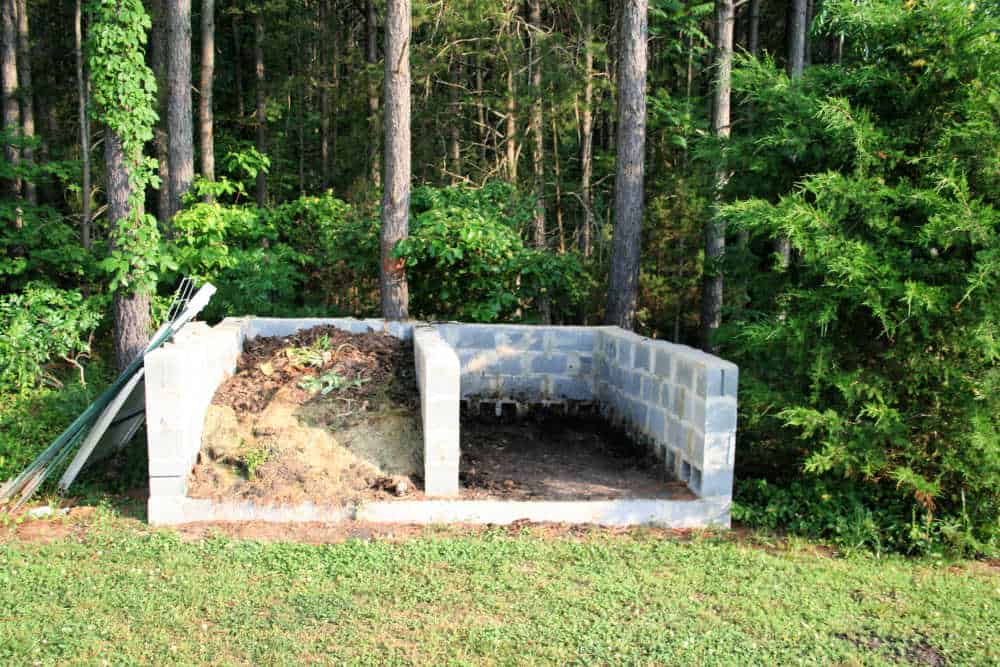
- Composting turns kitchen scraps, leaves, and yard waste into rich, crumbly humus. The key is balancing your “greens” (nitrogen-rich materials like food scraps) with “browns” (carbon-rich materials like dried leaves).
- Vermicomposting — that’s composting with worms — produces castings that are especially rich in beneficial microbes. It’s a fun little system to set up.
- DIY liquid fertilizers like compost tea or seaweed tea give plants a quick nutrient boost and are easy to brew at home.
Just remember to handle concentrated materials like manure carefully and store everything properly to avoid odors or contamination. Manure “straight from the animal” must “mature” or age before applying it to garden soil and plants. Only herbivore manure (poops from cows, horses, rabbits, sheep, for example) should be used in the garden to prevent the spread of harmful organisms.
Good for Your Garden, Good for the Planet
Organic fertilizers aren’t just great for your plants — they’re a genuinely responsible choice for the environment. They improve soil biodiversity, help soil retain water (which means less irrigation), and prevent nutrient runoff that can pollute nearby waterways. While some organic options may cost a bit more upfront, you’ll often find that your overall gardening expenses go down over time as your soil becomes more naturally fertile and productive.
Troubleshooting When Things Don’t Go as Planned
Even with organic fertilizers, you might hit a bump now and then — and that’s perfectly okay!
- Slow results? Organic fertilizers take time, which is part of their charm. If you need a quicker fix during peak growth, add a liquid fertilizer to bridge the gap.
- Odor issues? This usually points to improper storage or too much manure-based product. Reduce the amount and store materials in sealed containers.
- Over-application? Yes, even natural fertilizers can be overdone, especially concentrated ones like blood meal. When in doubt, less is more.
- Nutrient deficiencies? Keep an eye out for yellowing leaves or poor flowering — these are your plants’ way of asking for help. A targeted fertilizer can usually set things right.
Your Garden Will Thank You
Organic fertilizers are one of the most rewarding choices you can make for your garden. They work with nature rather than trying to shortcut it, building soil health season after season. As you get to know the different options and how your particular plants and soil respond, you’ll find a rhythm that works beautifully for you. It’s a bit of a journey — but what a great one to be on!