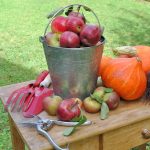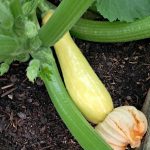
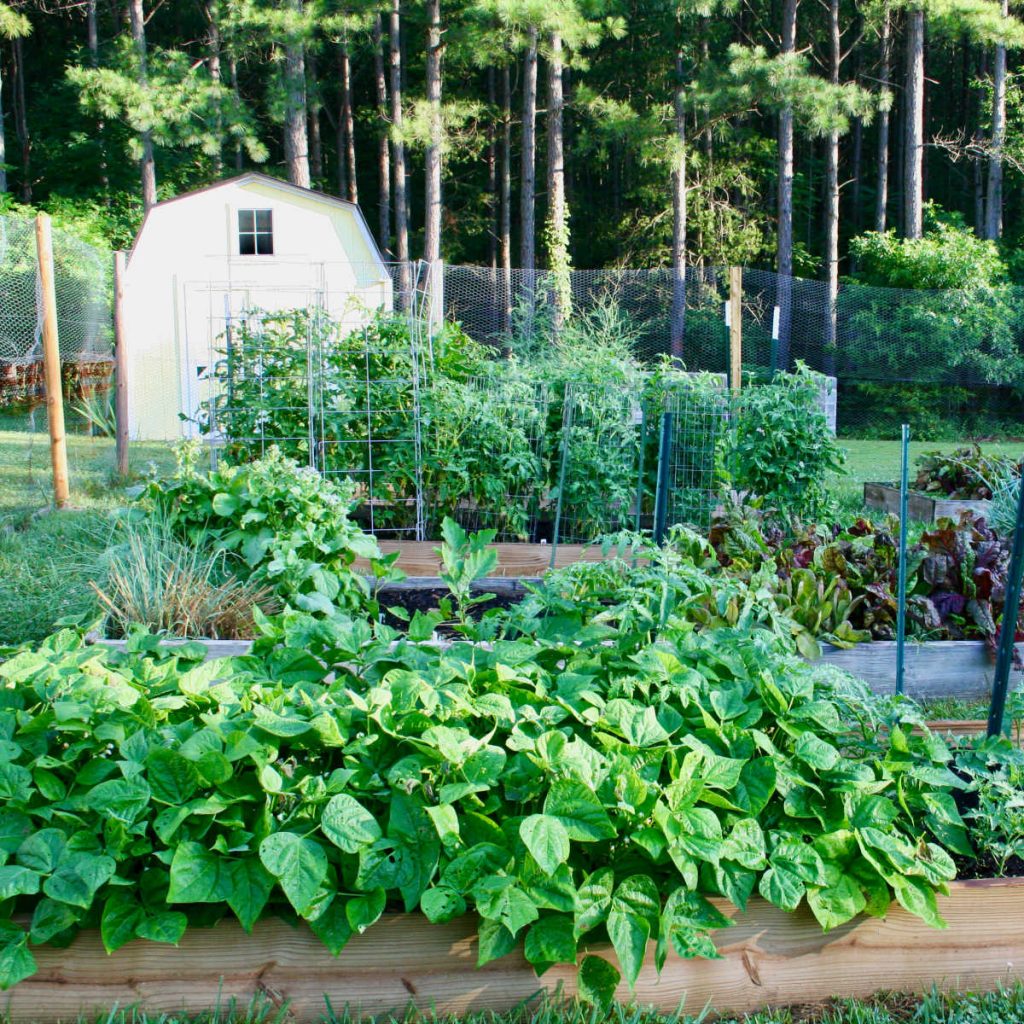
I’m sharing these June gardening tips for gardening zone 7B. However, you can easily adapt them to your gardening zone.
June is one of those months that feels like there’s so much to do in the garden you don’t know where to start. Fortunately, nature gives you extra-long days and plenty of sunshine!
Whether you are tending a vegetable patch, a flower border, or a mix of both, there is plenty to keep you busy. This guide covers everything you need to know about June gardening, from managing heat and pests to harvesting the last of your spring crops and helping your summer garden truly hit its stride.
Gardening in June: Understanding the Season
June marks the true beginning of summer in most gardening zones across the United States. Here in south central Virginia, which falls in USDA Hardiness Zones 6B and 7, June can get downright hot in a hurry. Temperatures regularly climb into the upper eighties and nineties, and the humidity can make working outdoors feel draining by mid-morning.
The key to gardening comfortably and effectively in June is timing. Plan your outdoor tasks around the coolest parts of the day. The best gardening hours are from dawn until around 10 a.m. Once the heat climbs, head indoors and save the rest of your tasks for the evening, roughly from 6 p.m. until sunset. Not only will you be more comfortable, but your plants will thank you, too. Watering in the heat of the day, for example, can cause water to evaporate before it reaches the roots and can sometimes scorch tender foliage.
Finishing Your Planting for the Season
If you have not already done so, June is your last chance to get warm-weather vegetables and annual flowers into the ground. Most warm-season crops, including tomatoes, peppers, cucumbers, squash, and beans, need a long growing season to produce well. Any delay past early June in most zones will shorten your harvest window considerably.
Annual flowers such as zinnias, marigolds, cosmos, and sunflowers can still be direct-seeded or transplanted in June. They grow quickly in the warmth and will reward you with color all summer long. Get them in the ground as soon as possible so they have time to establish before the hottest weeks arrive.
Caring for Tomato Plants in June
Tomatoes are the crown jewel of the summer vegetable garden, and June is the month when they really start to take off. There are three essential tasks to focus on this month: pinching, fertilizing, and staking.
Pinching refers to removing the small suckers that grow in the crotch between the main stem and a branch. If left to grow, these suckers become full branches and can make an indeterminate tomato plant sprawl out of control. Pinching them off redirects the plant’s energy toward fruit production rather than excessive foliage.
Fertilizing in June is important because tomatoes are heavy feeders. Use a balanced fertilizer or one formulated for tomatoes, and follow the package directions. Avoid over-fertilizing with nitrogen, which encourages leafy growth at the expense of fruit.
Staking is essential for tall or indeterminate varieties. Make sure your cages, stakes, or trellises are securely in place before the plants grow too large. It is much easier to train a tomato plant while it is still small than to wrestle with a sprawling vine later in the summer.
Natural Pest Control for Tomato Hornworms
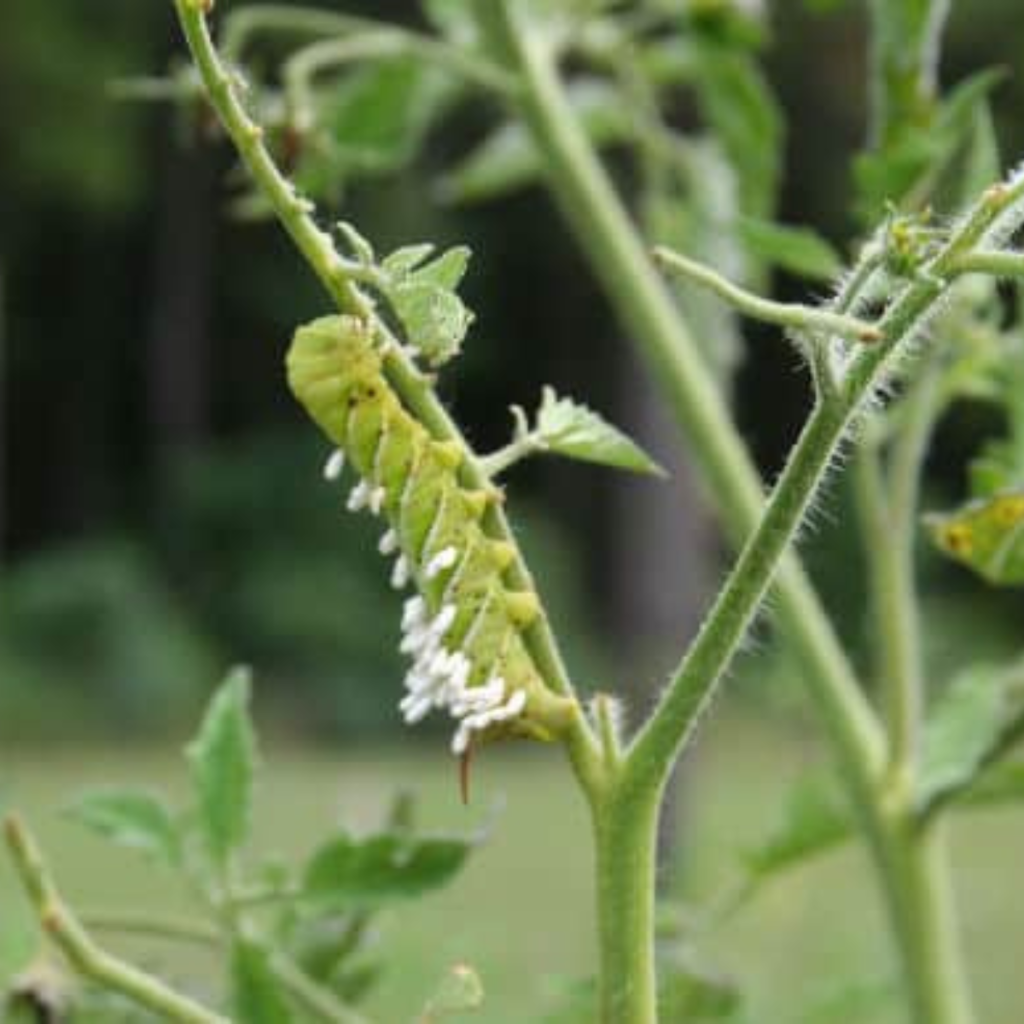
Tomato hornworms are one of the most destructive pests in the summer vegetable garden. These large, green caterpillars blend in so well with tomato foliage that they can be surprisingly difficult to spot until they have already done significant damage. Fortunately, there are some natural, effective ways to keep them in check.
One of the best companion planting strategies for tomato hornworm control is to plant marigolds nearby. The strong scent of marigold flowers naturally repels hornworms and a number of other garden pests. They are beautiful, easy to grow, and serve double duty as both an ornamental plant and a protective companion.
Dill is another excellent companion plant for tomatoes when it comes to hornworm control, though it works in a slightly different way. Dill attracts predatory wasps, which are natural enemies of the tomato hornworm. These beneficial wasps lay their eggs directly on the hornworm, and when the eggs hatch, the larvae consume the caterpillar. It is one of nature’s most effective pest control systems, and planting dill nearby encourages it.
Watering Strategies for a Hot June Garden
Consistent watering is one of the most important things you can do for your garden in June. As temperatures rise and rainfall becomes less predictable, your plants depend on you to keep the soil evenly moist. Irregular watering, with long dry spells followed by heavy soaking, stresses plants and can lead to problems like blossom end rot in tomatoes and cracking in fruits.
If you use sprinklers, set them on a timer so you do not forget to run them or accidentally skip a day during a busy week. Early morning is the best time to water, as it gives foliage a chance to dry before the heat of the day, which reduces the risk of fungal diseases.
If you water by hand with a garden hose, focus your efforts near the base of each plant, at the root zone. Overhead watering wets foliage unnecessarily and contributes to disease issues. A soaker hose or drip irrigation system is ideal for delivering water directly to the roots with minimal waste.
Mulching: Your Garden’s Best Friend in Summer
If you have not already mulched your garden beds, June is the time to do it. Applying a one to two inch layer of mulch throughout the garden does several important things at once. It helps suppress weeds by blocking sunlight from reaching weed seeds in the soil. It retains soil moisture, which means you will need to water less frequently. And it keeps the soil temperature more consistent, which most garden plants prefer.
Wood chips, shredded bark, straw, and even grass clippings all make effective mulch materials. Keep mulch a few inches away from plant stems to prevent rot and discourage pests that like to shelter in moist, dark spots. Replenish mulch as it breaks down over the season.
Harvesting Spring Vegetables Before the Heat Takes Over
One of the most urgent tasks in the June garden is harvesting the last of your cool-weather crops before the heat ruins them. Lettuce, spinach, radishes, and other spring vegetables do not tolerate high temperatures well. When the heat arrives, they bolt, meaning they send up a flower stalk and go to seed, often becoming bitter or tough in the process.
Radishes in particular can go from sweet and crisp to scorching hot seemingly overnight once the temperatures climb. Harvest them as soon as they reach a good size, and check them daily. Lettuce and spinach should be cut before they begin to stretch upward, which is the first sign of bolting.
In addition to the spring vegetables wrapping up, June is also when some of the most delicious summer harvests begin. Strawberries, peaches, and blackberries all start coming in this month depending on your region. Check your berry bushes and fruit trees regularly so you can pick at peak ripeness.
What’s Blooming in June
June is a beautiful month in the flower garden. You will still catch the tail end of the spring bloomers, including tulips, peonies, and iris, though they will be wrapping up as the month progresses. Roses typically hit their first big flush of bloom in June, and a well-tended rose garden in this month is a breathtaking sight.
Annual flowers that were transplanted in April and May will really come into their own in June, filling beds and containers with vibrant color. If you are growing perennials, many of them will begin their summer bloom season this month as well. Deadhead spent flowers regularly to encourage continued blooming throughout the season.
Dealing with Japanese Beetles in June
Japanese beetles are a frustrating reality for many gardeners across the United States, and June is typically when they make their first appearance. These shiny, copper-and-green beetles feed voraciously on a wide range of plants, skeletonizing leaves and destroying flowers.
One of the most effective and satisfying methods for controlling Japanese beetles requires nothing more than a jar, some dish soap, and a little patience. Take a clean glass jar, such as an old spaghetti sauce jar, and fill it one quarter to one half full with water and a generous squirt of dish soap. In the early morning when beetles are sluggish from the cooler temperatures, hold the jar beneath a cluster of beetles on a plant and flick them off with your finger. They fall directly into the soapy water, where they cannot escape. The soap breaks the surface tension of the water and prevents them from climbing out.
For larger infestations or particularly vulnerable plants, neem oil is an effective organic option. Applied as a spray, neem oil disrupts the feeding and reproductive cycles of Japanese beetles without harming beneficial insects when used correctly. If organic methods are not working well enough, the conventional insecticide Sevin is also labeled for Japanese beetle control and can help in severe cases.
What to Do with Spring Bulb Foliage After Blooming
If your daffodils, tulips, and other spring bulbs are starting to look a bit ragged and straggly now that their flowers have faded, resist the urge to cut the foliage back. This is one of the most common mistakes gardeners make with spring bulbs, and it can seriously weaken them for the following year.
The green leaves of spring bulbs are working hard even after the flowers are gone. Through photosynthesis, the foliage manufactures and stores energy in the bulb underground, which fuels next spring’s flowers. Cutting the leaves back too soon starves the bulb and can result in fewer or smaller blooms the following year, or no blooms at all.
Instead, try the Dutch method of braiding the foliage to keep things looking tidy while still allowing the leaves to do their job. For daffodils in particular, this works beautifully. Gather the foliage of each clump in your hands and braid it as you would braid hair. When the braid is complete, fold it over and secure it with a rubber band. The result looks clean and intentional rather than messy, and the plant can still photosynthesize through the folded leaves.
Marking Bulb Locations in the Garden
While you are thinking about spring bulbs, June is your last chance to mark where they are planted before their foliage dies back completely and you lose track of their location. Every gardener has accidentally stabbed a trowel through a tulip bulb while digging in what appeared to be empty soil. A simple plant marker can save you from that frustration.
If you do not have commercial plant markers on hand, there are many creative DIY options. Old wooden venetian blinds, which people often leave out for trash pickup, can be cut into strips and written on with a permanent marker. The lid from a plastic frosting container can be cut into one-inch strips and used the same way. For something more decorative, paint flat garden rocks with brightly colored spray paint, write the plant name on top with paint or a permanent marker, and finish with a clear protective spray sealer. These painted rocks are charming, durable, and completely free if you have rocks and leftover paint on hand.
Weeding the June Garden
Weeding is one of those garden tasks that never feels urgent until suddenly your garden beds are overrun and you are wondering where the summer went. June’s warm temperatures and longer days are just as good for weeds as they are for your garden plants. Staying on top of weeding is much easier if you do a little bit consistently rather than letting it build up.
Hand weeding is by far the most effective method for most home gardens. It allows you to remove weeds completely, root and all, without disturbing neighboring plants or spreading weed seeds. Wear gloves to protect your hands and work on small patches at a time so the task feels manageable rather than overwhelming. I love the Cobra Head weeding tool, as you know – I highly recommend it.
One important rule when it comes to weeding: do not add pulled weeds to your compost pile, especially if they are flowering or have begun to set seed. Many weed seeds can survive in a compost pile that does not reach a high enough internal temperature to kill them, and you risk spreading them right back into your garden when you use that compost. Instead, bag weeds in paper or plastic bags and set them out with the trash.
A Quick June Gardening Checklist
Here is a summary of the key tasks to tackle in your garden this month. Work through this list during the cooler morning and evening hours, and your garden will be thriving by the time July arrives.
Finish planting warm-weather vegetables and annual flowers. Pinch, fertilize, and stake tomato plants. Plant marigolds and dill near tomatoes to deter hornworms. Water consistently, either with a timer-run sprinkler or by hand near the roots. Apply one to two inches of mulch to suppress weeds and retain moisture. Harvest lettuce, radishes, spinach, and other cool-season crops before they bolt. Watch for and pick strawberries, peaches, and blackberries as they ripen. Control Japanese beetles using the soapy water method, neem oil, or Sevin if needed. Braid and fold daffodil foliage rather than cutting it back. Mark the locations of spring bulbs before the foliage disappears. Weed garden beds regularly and discard pulled weeds in the trash rather than the compost pile.
Enjoy Your June Garden
June is one of the most rewarding months to be a gardener. The hard work of spring is behind you, summer’s abundance is just beginning, and there is something new to discover in the garden every single day. Take time to walk through your beds in the evening light, appreciate what is blooming, and enjoy the fruits of your labor. The garden is at its most vibrant this time of year, and you deserve to soak it in.