 |
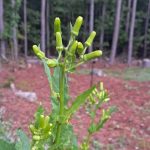
| Asparagus in my garden |
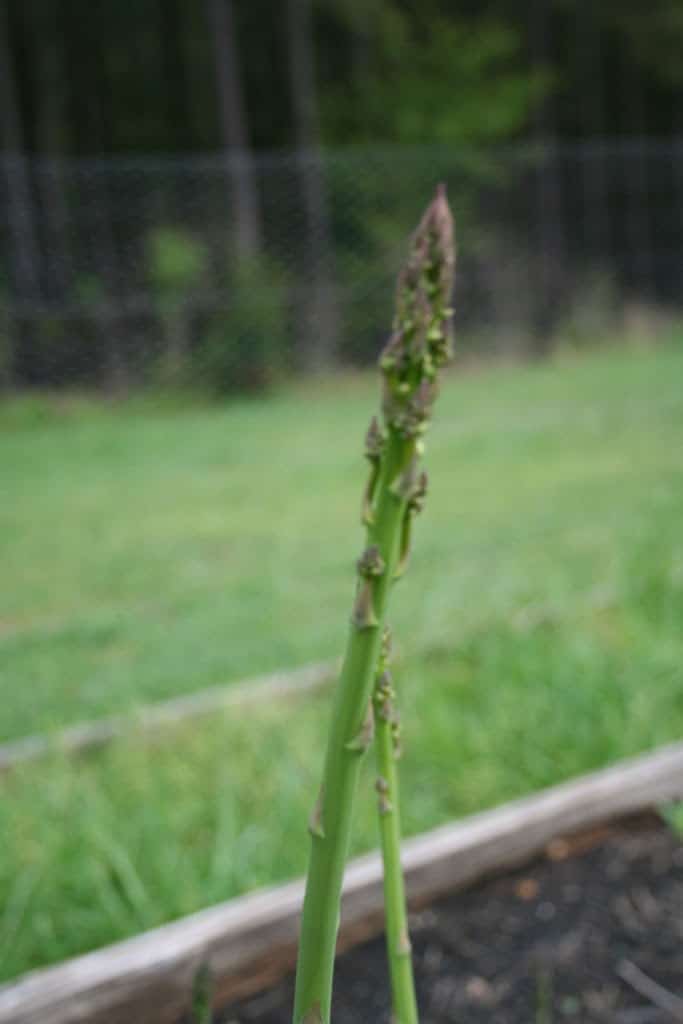
Last night as we sat down to dinner, I realized that everything on the plate, with the exception of the thinly sliced and broiled pork loin, was grown in my garden. Organic asparagus…mashed potatoes and turnips…even the water I sipped came from the well outside my door.
What a difference in taste, texture, pleasure. A feast for the eyes and the senses.
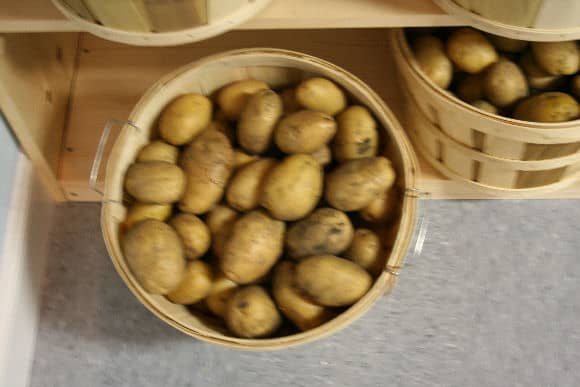
The asparagus is growing quite nicely, so we tentatively snapped a few spears last night to steam for supper. The turnips and potatoes were harvested last year and kept in cold storage. I peel them, cube them, boil and mash them with a bit of butter. And that’s it.
No artificial anything…no waxes on the turnips, no sprays or irradiation on the potatoes, no pesticides on the asparagus.
Food. Real food.
 |
| Potatoes in storage. |
Sometimes I feel like we’ve forgotten the pleasures of the table. The slow food movement, the organic movement, the this or that movement. It’s really just about food. Plain old, healthy, close to the earth food. This is what I ate growing up. My mother made a meat, a potato and a vegetable. We couldn’t grow potatoes, but if we could, we grew the vegetables and in the summer there was always a salad of home-grown lettuce and tomatoes. Considering I grew up not far from Queens, New York, and our backyard was around 10 feet by 20 feet, I think my parents did quite well growing what they could.
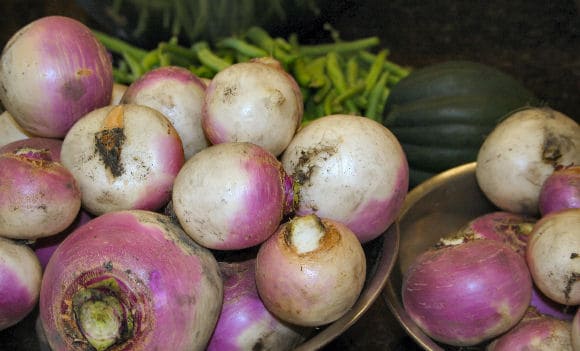 |
| Beautiful home-grown turnips. |
But our grandparents generation did even better. They knew how to grow, and can, and preserve food. I’m learning all of that slowly but surely. For the past five years, I’ve experimented with this or that. I taught myself how to can using the water bath canner from my husband’s great-grandmother and the new steam canner he bought me for Christmas. I’ve had miserable failures (the pickled carrots are still slow-going, and the dried beans are still sitting in the pantry waiting a recipe) but I’ve also had successes. Pickled peppers and beets are delicious. My canned green beans rival any store bought cans.
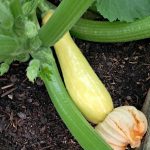
I’ve taught myself how to grow potatoes, onions, sweet potatoes and garlic. I’ve had spectacular garden failures – terrible watermelons and cantaloupes, and if another cucumber beetle invasion gets my squashes, I have to just give up and buy them at the farmer’s market.
But on nights like last night, when I stopped, fork poised over my plate, looking down at fresh vegetables grown not 20 feet from the kitchen, I am truly thankful for the gift of plants. For the ability to garden. For fresh air, and soil, and water, and the miraculous alchemy of sun that transforms seed into dinner.
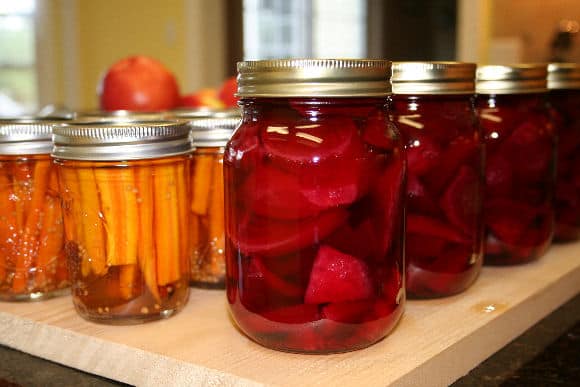 |
| The pickled carrots aren’t great, but the beets? Wonderful. |