When I was little, I remember my dad receiving exactly two seed catalogs: the Burpee catalog and the Parks catalog. Both catalogs arrived in the mail sometime in January, and both acquired the texture of corrugated cardboard after they were dropped into the bathtub water; my dad loved to read catalogs in the tub, but he was often so tired at night he’d nod off to sleep. Many a night we would find a catalog steaming on top of the old metal oil burner in the basement. The heat radiating from the oil burner would dry the pages off, but they’d wrinkle into the tell tale “uh oh, this one went for a swim” look of corduroy.
Just as the stores now put out the Halloween decorations in August and the Christmas merchandise in September, the seed companies are starting earlier and earlier. In Virginia where I live, most of the big box stores don’t stock garden seeds until late January or early February. I don’t know about you, but by then I am certifiable garden-crazy; I’m outside raking, weeding or moving rocks around on any warm day I can find. Tempting me to purchase seeds earlier in the season is a smart move.
But the seed catalogs get a little much at this time of year, and often get lost among all the other retailers’ pitches to buy this or buy that. I keep them stacked in a little pile in my magazine rack in the family room; this way, we’ve got them all in one place, and can access them when we need them.
If you’re new to gardening or one of those folks who kill plastic plants, seed catalogs can be downright confusing. Most companies list the new and exciting stuff first, so you’ll find pages of flower and vegetable plants and seeds all jumbled up at the beginning. But then the seed catalogs typically organize their wares into two categories: flowers and vegetables, or seeds and plants, depending upon the company and what they sell. Most include other items, like plant labels, gloves, pruners, books and other fun stuff in a section in the middle or near the back of the catalog. We’ll talk about those items another day. For now, let’s talk about the basics of reading a seed catalog.
Most, but not all, catalogs include plenty of glossy pictures to tempt you to buy the seeds. Some don’t, but those are really the specialty catalogs for kitchen gardeners (those who grow heirloom, exotic, or specialty vegetables because they like to cook). We’ll stick with the common catalogs now, like my dad’s Burpee or Parks catalogs.
Be careful to look under the picture for the exact name of the plant, including the Latin name. Plants have both a common name and a Latin or botanical name. The common name is like a nickname; calling a guy Jack, for example, when his given name is John Andrew Smith. In this example, “Jack” is like a plant’s common name, and “John Andrew Smith” is like the plant’s botanical or Latin name. The botanical name is very precise and exact, and identifies each plant as a unique individual. If you’ve ever tried to find a plant in the garden center solely by the common name, you’ll know why gardeners are so precise with a plant’s name. My mother in law, for example, always called blue, purple or pink hydrangeas “snowball bushes”, but my own mother called the white viburnum in the yard a “snowball bush”. Both moms were right; snowball bush can be a common name for viburnum or for hydrangea. But using the Latin or botanical names for the shrubs made it much easier when I moved to my property in Virginia to find the exact same plants to add to my garden. You see how it can get confusing if you don’t use the exact Latin plant name?
Next to the plant’s name you may see a little symbol. Each catalog has a different symbol, but most show either a black circle, a circle with half colored black, or a circle with the middle not colored in at all. This is a key to tell you how much light a plant needs. A black circle means that the plant thrives in shade. A circle not colored in at all means that the plant needs full sunlight, defined as six or more hours per day.
A circle half colored in and half empty means the plant likes partial shade/partial sun. A good plant book will tell you whether or not the plant prefers morning or afternoon sun. Yes, it does make a difference; check on your plant and your space available, and make sure there’s a match between what the plant likes and what you have in the garden. I always say that you can change many things in the garden. You can improve the soil and you can water as needed. But it’s nearly impossible to change the light that you have available unless you remove a tree or a major building, like a garden shed, that may be blocking the sunlight. Work with what you have and you’ll have a better garden (and less stress.)
The information in the plant catalog will tell you how many seeds you are buying, but it won’t tell you when to plant it. You will need to look at the back of the seed packet for that information or obtain information on planting dates and methods from your local Cooperative Extension Office.
If you are new to starting plants from seeds, I recommend one of two things: either buy a package at the garden center, where you can ask questions of the staff and read the back of the package for more information, or work with your Cooperative Extension Office volunteers or a gardening friend to start the seeds for the first time. Some seeds are more forgiving of beginner’s mistakes than others, and a knowledgeable gardener can guide you to some choices that have a better likelihood of success than others.
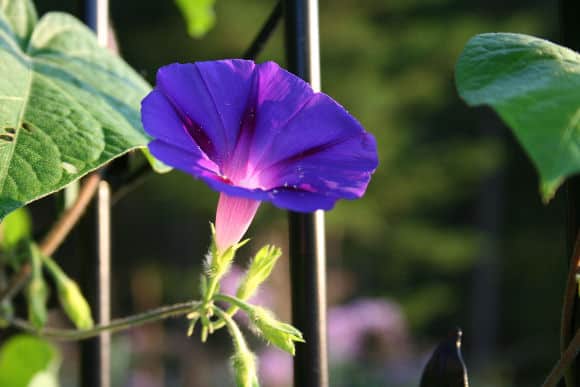
When I was in the second grade, I bought a package of seeds at Grand Value. I didn’t know anything about seeds. I had a little clear plastic ball that I’d gotten out of a gumball machine at the supermarket. I think it had a super ball inside. It split open into two halves. I filled one half with soil, stuck a seed from the packet inside, gave it some water, and put it on my bedroom windowsill. When the little plant emerged I took off the cap. I was delighted when it began to climb the Venetian blind, but my parents weren’t too happy with me – apparently, I’d planted a morning glory inside my bedroom window! I painstakingly unwound it from the Venetian blinds and planted it outside, where it climbed happily up the telephone wire and bloomed prolifically all summer long. That’s what I’m talking about – if you’re a beginner, you want something that will grow like Jacks’ beanstalk or my morning glory. Something that even someone who kills plastic plants will have good luck with.
Happy gardening!