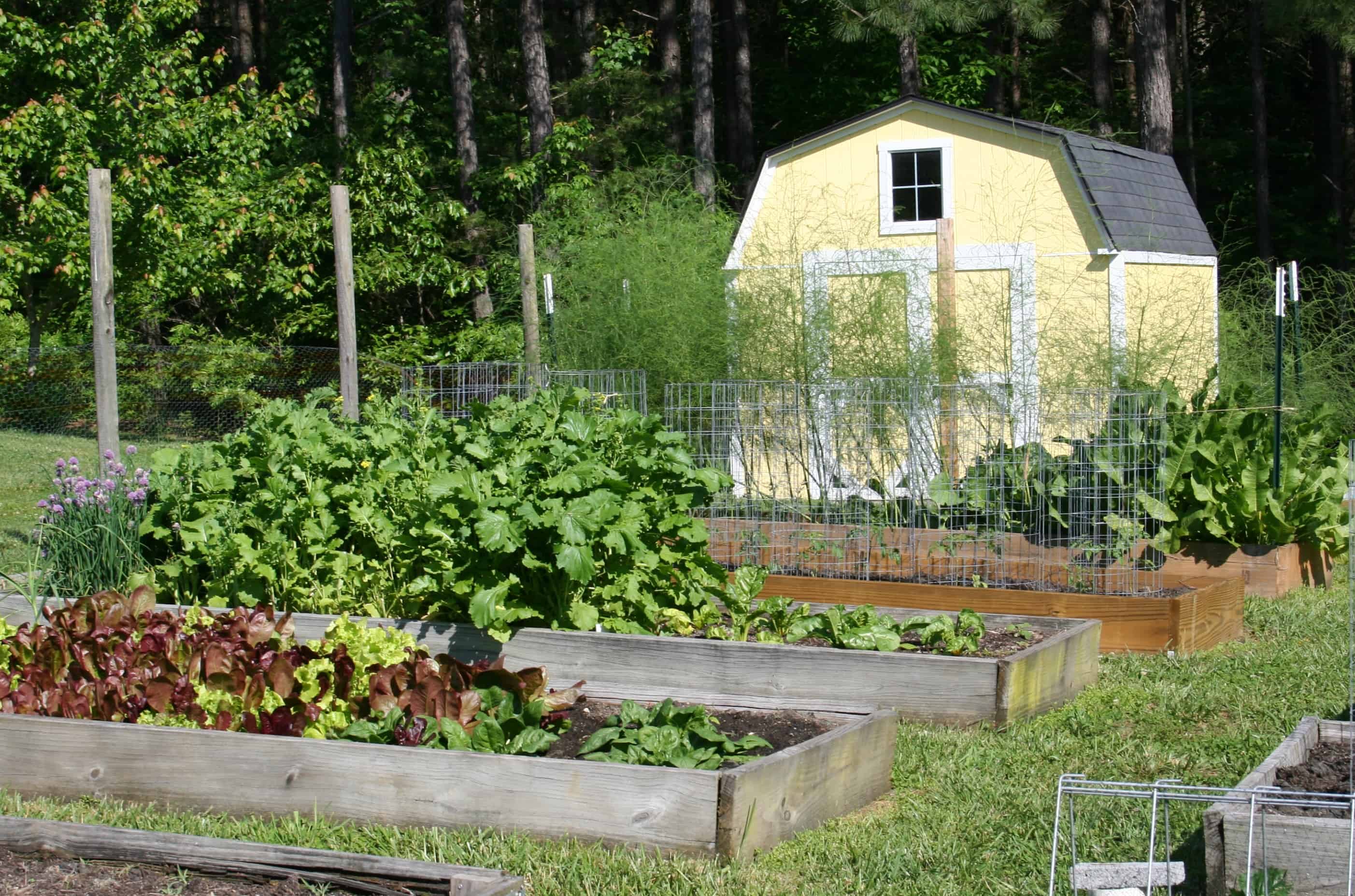
Planning the Vegetable Garden
When it’s time for planning the vegetable garden, start with what you have – and with a good seed catalog (or two, or three, or seven.)
I’ve got my seed catalogs all spread out on the coffee table, a printout of the vegetable garden plan, and a pencil at hand. But before I can place my orders, I need to go down to the basement and take inventory among the seeds leftover from last year.
Take Inventory of Your Seeds
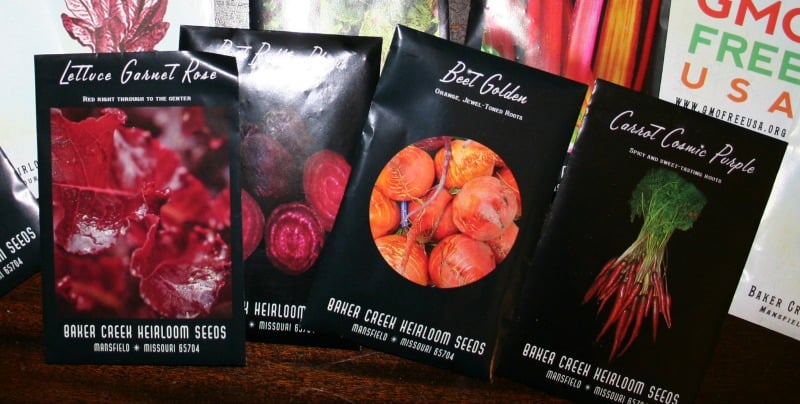
‘Fess up. You know you have seeds leftover from last year rattling around somewhere in a box or drawer. I don’t think there’s a single gardening home that doesn’t have a half open seed package somewhere. My dad was notorious for leaving them in the garage or on the windowsill in the greenhouse (yes, he built a little lean to greenhouse in my suburban/urban backyard when I was kid, thus further cementing my obsession with gardening.) Half-empty packages of sunflowers, radishes, green beans, tomatoes. Somewhere you’ve got some seed packages.
I keep all of my seed packages in two big coffee cans with tight fitting lids, one can labelled “vegetables” and the other “flowers.” The reason I keep them in a can instead of a shoe box or a basket is that we occasionally get field mice in the basement, and they have eaten through my seed packages to eat the corn, pumpkin and squash seeds, plus they will nibble almost anything else. The cans keep the critters out.
One thing you’ll notice if you use open seed packages stored for more than a few months is the low germination rate. Seeds do go “bad” so to speak, or lose viability. You can test how viable your seeds are by placing a few in between two damp paper towels. Wait a day or two, keep the towels damp (you can put them in a zip lock baggie in the meantime) and look at the seeds. If you see them sprouting, chances are the seeds are still good. If there’s nothing showing, try again, and if on the second try nothing sprouts, most of the seeds in your package are probably no longer viable. Discard them and buy new ones.
Organic or Conventional Seeds?
Should you buy organic or conventionally grown seeds? The choice is yours, but in terms of viability, both tend to be equal. If you’d prefer to support organic growing practices over conventional methods, organic seeds are a good choice. Growing plants from organic seeds doesn’t necessarily mean the resulting vegetables will be healthier for you.
GMO Seeds
Now GMO or genetically modified seeds are another story altogether. Some people believe that GMO seeds haven’t been tested enough, and the genetic modifications made to the parents plants that produced the GMO seeds may result in problems down the road. If you have worries or doubts about the safety of GMO seeds, then choose other seeds. Heirloom and older varieties are usually (but not always) safe. You can always ask the seed companies when in doubt or look for specially marked non GMO products.
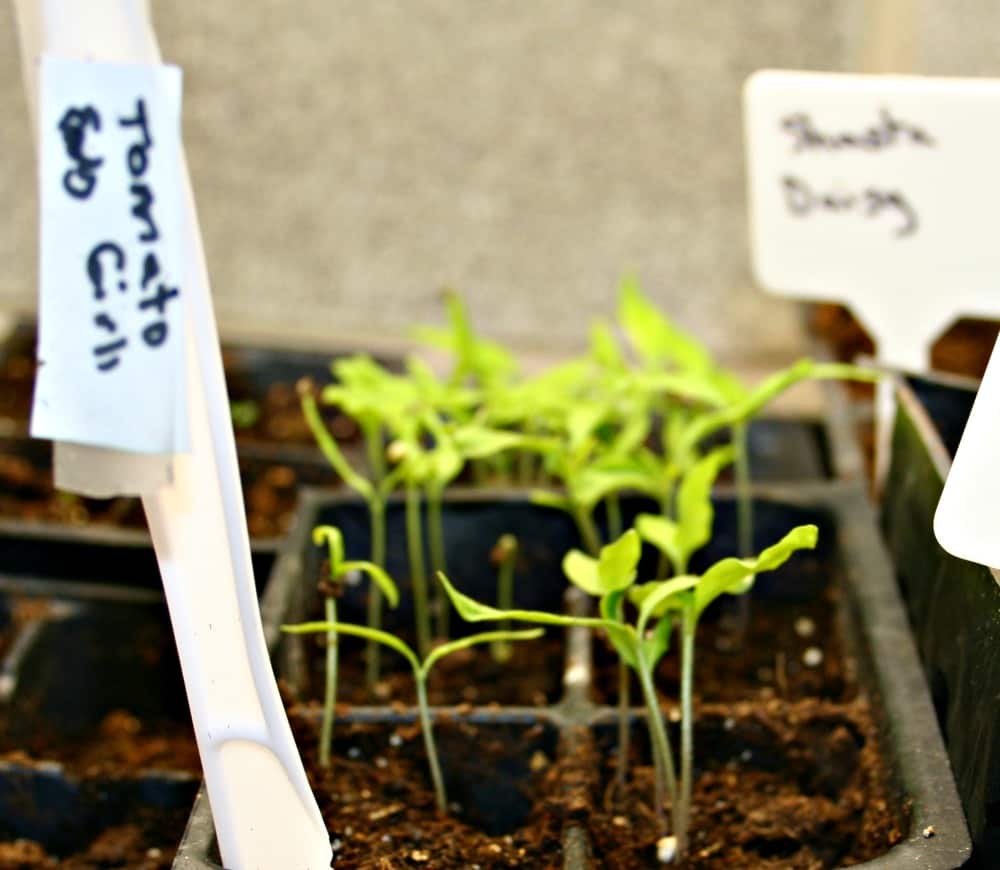
When you’re taking inventory of your seed packages, don’t forget to take inventory of your seed starting materials, too. You will need your cell packs, trays or pots, plus seed starting mix or potting soil. You will also need plant labels and a waterproof marker, such as a Sharpie. I always test my lights before planting my seeds and do a practice run with the light timer since I’m notorious for setting the light timer on weird settings. I use a plain old timer purchased from the hardware store, nothing special for gardening, and it’s fairly intuitive to set, but someone joked that I had the “land of the midnight sun” going on in my basement one year because somehow I’d reversed day and night and my plants got 12 hours of light during the night. Well, at least plants don’t seem to care – they grew just fine.
Your Seed Starting Checklist
- Before buying seeds, take an inventory of what you have left from last year.
- Conduct a viability test if in doubt and see if the seeds are still good.
- Check your seed starting lights; buy new bulbs if you have to.
- Check your seed starting equipment and buy more soil or trays if necessary.
For ideas, tips and hints on saving money on seed starting, read my article Seed Starting on the Cheap.