Wood ash is an organic gardening fertilizer but use it carefully and be sure you know your soil pH before using it. If you’re already dealing with alkaline soil, spread the wood ashes outside where they won’t change the soil pH around plants you like or your vegetables. They can raise soil pH rapidly. Wood ashes add potassium, calcium and phosphorous back into the soil – great for tomatoes.
Footer
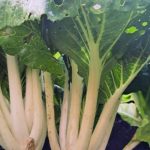
How to Grow Bok Choy
I learned how to grow bok choy through trial and error. Last fall, I noticed some beautiful heads of Chinese cabbage (napa cabbage) at our local farmer’s market. When I asked the proprietor where it was grown, I found it was grown not five miles from my house! Well, that means I could grow all…
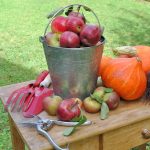
September Gardening: Tasks & Tips
Fall is the time for mums, for pumpkins, and another round of pansies — for soft golden twilights and leaves crunching underfoot. September is the last month here in zones 6 and 7 when the garden is still lush and full. We’re harvesting the last of the tomatoes here at Seven Oaks, my farm near…
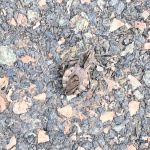
Assassin Bugs – Scary Looking, But Beneficial Insects
We meet the strangest neighbors while walking the dog. This assassin bug was strolling across the pavement on a hot summer’s evening when we walked our dog. At first, I thought it was a wolf spider, but the leg arrangement, plus the narrower body, made me decide to snap a picture and use Google Lens…
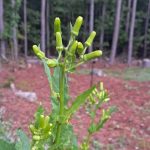
American Burnweed, the Weed That Signals Fall Is Here
I was walking my dog along the wood’s edge right near where we cleared land to build our greenhouse when I did a double take. There, like Jack’s magical beanstalk, had grown overnight this gem: American burnweed. Also known as fireweed or American burn weed, it grows rapidly – and I mean, rapidly. Like I…
Wood ash can be a great help. I’ve had people ask me why they burn rainforests when they’re clearing the land for farming. The answer is that rainforest soil is pretty baren of nutrients – it’s all up in the canopies of trees. There is so much forestation that the plants have sucked up much of the available nutrients. Burning the forest creates the ash, and that is easily plowed back into the soil, creating fertile soil for growing crops. Plant and Garden Blog
Interesting Ann and thanks for leaving a comment. I thought the rainforests were burned because it was easier than clearing away timber, except for special hardwoods like mahogany that can be sold. But adding the ash back into the soil makes sense.
Wood Ash really is great for tomatoes and in this part of Virginia the soil wants to go back to acid really quickly so adding wood ash can be great. In the many years we have raised tomatoes one year stands out as having the absolute best tasting tomatoes and that was 1998. (Sounds like wine doesn’t it!) We had put wood ashes out on our garden spot and our pH was up pretty high (closer to 7) in that area. I am convinced that the higher pH helped create those great tasting tomatoes. Was not a year with excess rain so some watering was necessary and that may have helped too. We did soil samples that year and VA Tech’s soils lab said pH too high for vegetables. I just laughed. I have in the years since then seen many sources that say tomatoes like the soil a little closer to neutral than some other things. Never have trouble with blossom end rot either.
Enjoy your blog.
Liz
Hi Liz, yes in our part of Virginia too, we need to do anything and everything to raise the soil pH. When I had ours tested before we moved in the pH was around 4. The lab actually called me to ask where the heck the soil was from (the lab was in NY where we lived). They had never seen soil like it thanks to all the pines grown here which just turned the soil to acid. Wood ash is great to raise pH quickly.