
Keeping pets and kids safe is important to my family and I’m guessing, to yours too. Jeremy Brunner is the Vice President of The Espoma Organic Company, and the fourth generation of his family to run the company. The Espoma Company is well-known for its commitment to organic gardening practices and to supporting safe, organic alternatives for gardeners.

Jeremy was kind enough to take time from his busy schedule to answer questions about fall lawn care: keep pets and kids safe. He received a Bachelor of Science from Cornell University and a Juris Doctor from Rutgers School of Law. He resides in southern NJ with his wife Randee, his two children, Jordan and Jared and Morkie, Jax. Thank you, Jeremy, for helping our readers learn more about lawn care practices to keep their pets and children safe.
Fall Lawn Care Tips – Keep Pets and Kids Safe!
Home Garden Joy (HGJ): What routine lawn care steps should homeowners take in the fall in zones 6 – 7?
Jeremy Brunner (JB): Get your lawn ready for the cooler weather ahead by fortifying it with nutrients. Give your lawn an overseeding in fall, water well and mow one final time. After you’ve done that, apply an organic fall winterizer to cold season grasses. An organic fall winterizer promotes spring growth and increases winter hardiness. Lawn winterizers contain nitrogen to promote thicker, fast-growing grass come spring. And Espoma’s organic winterizer also includes potassium to help lawns recover from summer droughts.
HGJ: The question of pet safety while playing on lawns has begun to come up frequently in discussions around lawn care. Why do you think this is so?
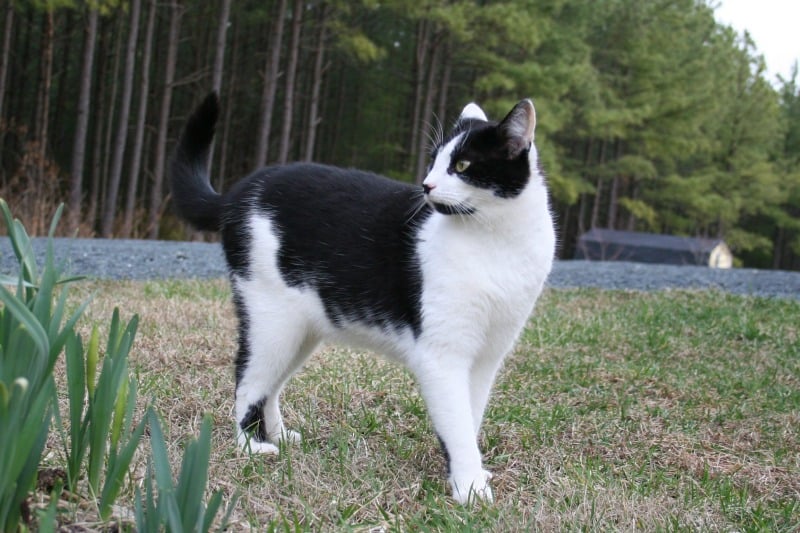
JB: According to the National Canine Cancer Foundation, an alarming one out of every three dogs is diagnosed with cancer. So, it’s hard to not make the correlation between their environment and their health. The more pet parents know about how to keep their pets safe, the more likely they are to keep them out of harm’s way. We believe, like eating nutritious food, the safest practice is to use organic lawn and garden products and to limit the use of potentially harmful garden chemicals. After all, who could argue that less chemicals on our lawn is better for people, pets and the planet. Espoma is equipping pet owners with tips to keep pets safe outdoors by avoiding the dangers of common lawn hazards.
HGJ: What products are harmful to use on your lawn if you let your dog or cat play on it?
JB: Dogs love lawns. But the chemicals used in many lawn fertilizers and products aren’t safe for pets or people for that matter. Keep dogs’ paws safe, happy and healthy by opting for a 100% organic lawn program.
Keep dangerous chemicals in places that pets can’t reach. Each year, the ASPCA fields tens of thousands of calls each year involving animal companions who’ve had potentially hazardous contact with insecticides and weed killers. Since dogs often eat mulch, choose one that’s non-toxic and pet-safe. Avoid cocoa mulch, and any mulch that has essential oils, resins or chemical insecticides. Think about pets’ paws in winter, too. Salt from ice melt can make your pet sick if ingested, so be sure to wash off those paws after a walk. Lastly, standing water is a breeding ground for parasites, bacteria, worms and mosquitoes.
HGJ: What can homeowners use instead? Why?
JB: Harmful chemicals can easily be ingested or tracked into homes, so stay away. Switch to organic so you don’t have to worry about your kids or pets rolling around in chemicals.
HGJ: What other steps should homeowners take to prepare their lawn for fall and winter?
JB: Stop mowing the lawn once the grass stops growing, usually in late October or early November. Reseed bare, thin spots and follow-up with an organic winterizer. Don’t forget to rake leaves and add to your composter to use for next year.
HGJ: What is the proper way to store lawn mowers and tools?
JB: First, empty your mower of fuel by draining or siphoning the gas tank dry. Next, thoroughly clean your mower. Remove and sharpen mower blade, apply a light film of oil to it and reinstall. Disconnect the spark plug, tip the mower over and clean the underside with a wire brush and a putty knife. Remove the spark plug and add oil to the cylinder. Ensure oil is evenly distributed on the wall of the cylinder by pulling the recoil handle several times. Replace the spark plug with a new one. Finish by checking all parts to make sure they are in good working order. Clean or replace the air filter, wipe the top of the mower clean and lubricate exposed cable-movement points and pivot points. Finally, change the mower’s oil. Store your mower and tools in a dry, protected place such as a garden shed or garage.
Rinse off and dry rakes, shovels, trowels, garden forks or other hand tools. For especially dirty tools, put on a pair of goggles and use a stiff-bristled brush to scrub off mud and rust. Use fine sandpaper or steel wool to take care of small, rusted spots.
HGJ: Anything else you would like to add?
JB: For more information on lawn care, organic gardening tips and advice from the pros, visit The Espoma Blog. And to learn how to keep pets safe, download our guide to a Safe Paws lawn.

Thank you so much. My kitty was having allergy with some of them plants. Thanks for posting!