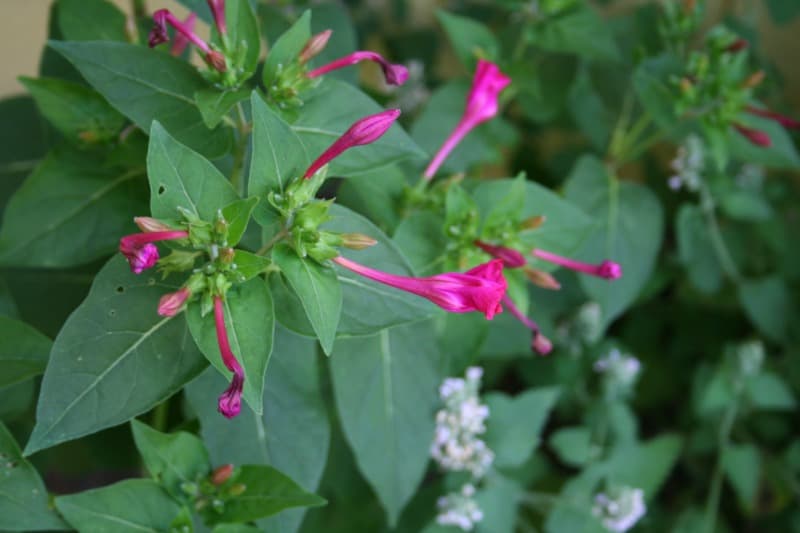
Four o’clocks are flower seeds, properly called Mirabilis jalapa by those who prefer the Latin name to identify the plant. Whatever you call this heirloom flower, it is beautiful, and I’ve missed it in my garden.
What Are Four O’Clocks?
Four o’clocks are lovely, fun little annual flowers. They’re started from seeds planted directly into the garden. The plants are nicknamed “the miracle of Peru” for many reasons.
First is their intriguing habit of opening around four o’clock in the afternoon – hence the name. They’ll actually open later or earlier, depending on where you’ve planted them in the garden. My own plants are in front of the little garden shed and are mostly in shade, so they stay open a little longer.
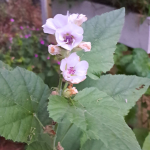
The second reason they earned the nickname “the miracle of Peru” is their ability to produce differently colored flowers on the same plant. You can have a plant that begins with all purple flowers, like mine, and then suddenly get yellow flowers on it, or splotched, or striped flowers. I don’t know of any other plant that naturally produces such a wide range of colors on the same parent stock. Grafted plants will produce different fruit or flowers, but four o’clocks aren’t grafted – the same root stock that produces red flowers may also produce white, yellow, purple, striped, splotches or partially colored flowers.
Four o’clocks have a wonderful fragrance, too. I had forgotten about the fragrance since it’s been years since I’ve grown them. I stepped outside around 6 a.m. the other day to walk the dog and detected a light, flowery perfume on the air. I looked around for honeysuckle or any other fragrant plant and couldn’t find the source. It was then that I discovered the plants in front of my shed. I thought they were volunteer zinnia seeds returning. Then I remember that I’d scatter four o’clock seeds there last year! It seems as if it needed the boost from my new watering schedule to grow!

Growing Four O’Clocks
Four o’clocks will produce a big, fat tuber, and return each year from the tuber in warmer climates. I’m not sure yet what they will do in my zone 6b garden. The area near the shed where they are growing is protected from the worst of the cold, so they might act as perennials. If they do not, seeds are readily available at garden centers each spring, and the plants are easily grown from seed sown directly in the garden.
Four o’clocks are heat and drought tolerant. They may wilt and look sad during hot, dry weather, but at the first rainfall, they perk right up. They can reseed and become a pest from scattered seeds, but you can easily dig up the volunteer plants or let them grow where they will. If you’re like me and love a big field of flowers, allowing them to seed an area of your garden may be a treat rather than a nuisance.
Heirloom Flowers Like Four O’Clocks
Four o’clocks are truly an heirloom or historic flower. During my research on this plant, I discovered that Thomas Jefferson had them growing in his garden at Monticello. For many years, the plants were lost to time and other, more dominant species. Then the gardeners at Monticello were able to find a source for seeds Jefferson grew. Today, you can see the plants as he saw them in the flower garden at Monticello.
Hummingbirds, bees and moths love them, so they also make great butterfly gardening plants.

I will probably leave the beautiful four o’clocks growing against my little shed. They give the area a beautiful, cottage-garden feel. These are the types of plants our grandmothers grew, and their grandmothers, too. Share the prolific seeds with gardening neighbors and sow a neighborhood with fragrant, beautiful four o’clocks.
Happy gardening. Keep growing!
I love four o’clocks! I picked up some seeds that had fallen from some plants in my home town of Bay Head, NJ and they have been happily growing and reseeding here in my new home in Stafford, VA for many years. They sprout up in my lawn and flower beds along with another favorite from NJ, portulacas. I just found your website today and I’m so happy I did!