Welcome to the first post in what I hope will be a nice series of posts on how to start a vegetable garden. These posts are intended for beginners, or those new to backyard gardening. I hope that even seasoned gardeners will find something of value in them.
How to Start a Vegetable Garden: Where Should I Plant a Vegetable Garden?
The first question many new gardeners ask is where they should plant a vegetable garden. They look around their backyard, which may already have plants from a previous tenant or may simply be grass or dirt. Where should you locate your vegetable garden?
When you’re learning how to start a vegetable garden, consider the following:
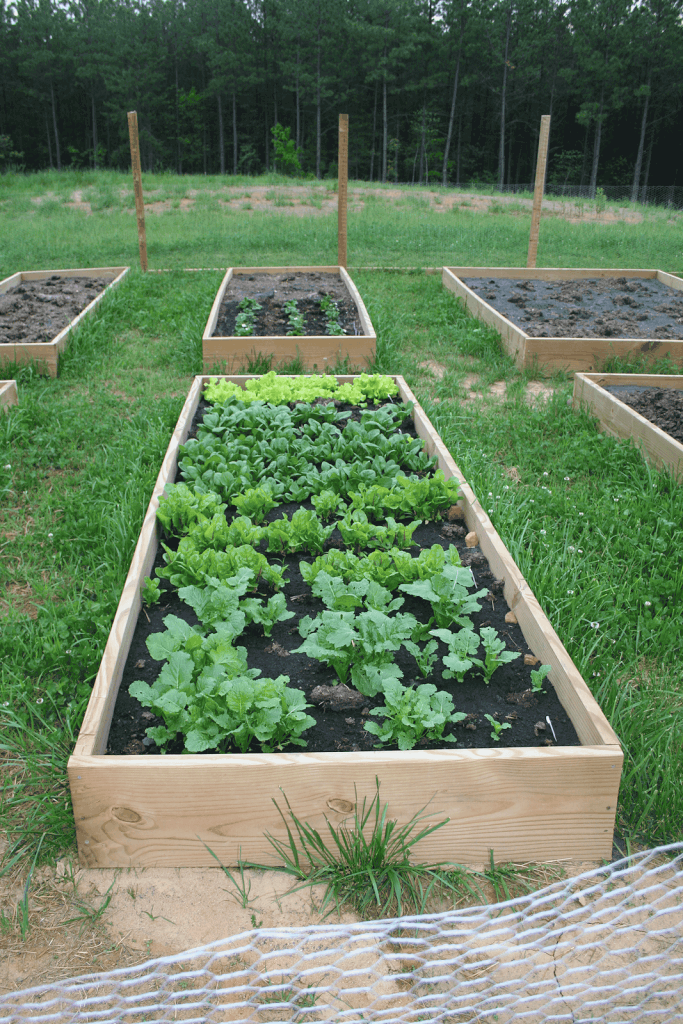
- How many vegetables do you want to grow? How much time do you have?You may have visions of a lush vegetable garden that feeds your family, a first step into homesteading that produces an abundance of fresh, healthy produce. The reality is that you work, your spouse works, and your children aren’t all that interested helping out. If that’s the case, start small. Your children may become interested in gardening once they see what’s going on in the yard. You can begin with pots or containers on the deck or in the backyard or a small raised bed garden. That’s plenty for someone new to gardening who just wants a few fresh tomatoes for a salad.
- How much sunlight do you have? Sunlight is one of the few non-negotiable elements that you need to grow healthy veggies. Most vegetable plants need six or more hours each day of bright, direct sunlight. Direct sunlight means that the rays of the sun touch the plants. Look around your yard and think back to the summertime. Where in the yard do you get bright, direct sunlight?
Look at photos taken of your yard May through September, the prime months for growing vegetables. This shows the light quality available during the months when you need it the most. Some yards appear sunny in the wintertime because deciduous trees in neighboring yards have dropped their leaves. When the oaks, maples and other deciduous trees grow their leaves again in the spring, the light quality drops considerably. That’s why you need to assess what you have available May through September, not necessarily January or February.
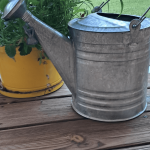
- Where is the nearest water source? Yes, rain will provide water for your garden, but during times of drought you will need to supplement what nature provides with water from a garden hose or watering can. Where is the nearest hose or spigot? If you don’t have a hose in the backyard and plan to carry water in a big watering can to your garden, consider how far away the water source is from the plants. What seems like a short distance now may seem like miles on a hot summer day when all you want to do is sit in your air-conditioned living room watching reruns.
- Soil quality: Get your soil tested in the spot where you plant to grow vegetables. In America, soil tests are conducted by the local County Cooperative Extension offices. They have a kit and instructions to help you take accurate samples (it’s easy). They charge a small fee, which varies according to location, but which covers the cost of the test and the results. The extension agent or a master gardener will review the results with you and help you understand which amendments if any you need to apply to make the soil just right to grow vegetables. If you plan to grow vegetables in pots, containers or a raised bed garden, you can skip the soil test since you will add bagged potting soil to these containers or beds.
Don’t Limit Garden Ideas to the Backyard – Consider the Front, Too
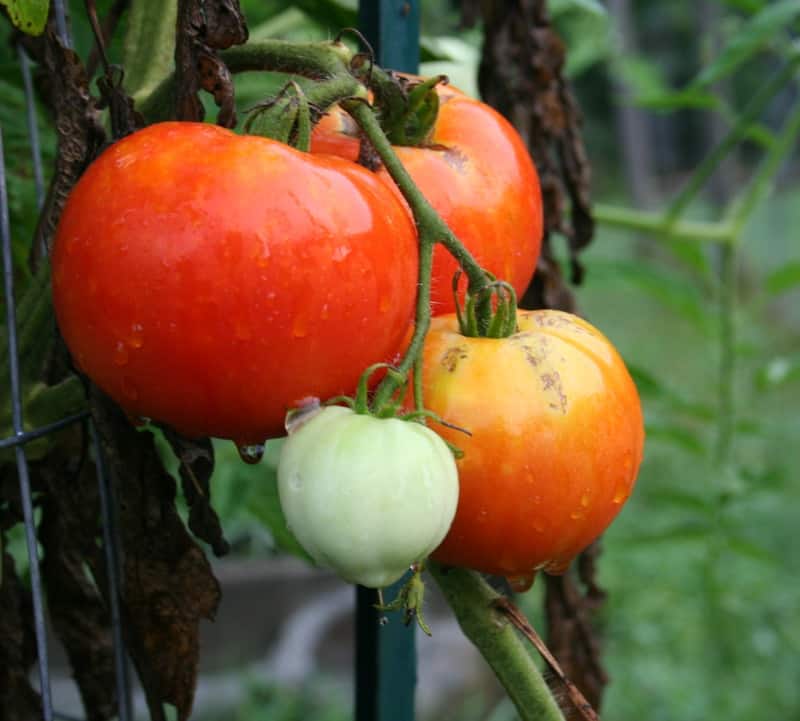
If you do not have abundant sunshine in your backyard but you do have it in the front yard, why not grow a few vegetables there? Unless you have zoning laws or home owner association laws that forbid growing vegetables on your front lawn, turn your front lawn into your vegetable garden.
Container Gardens
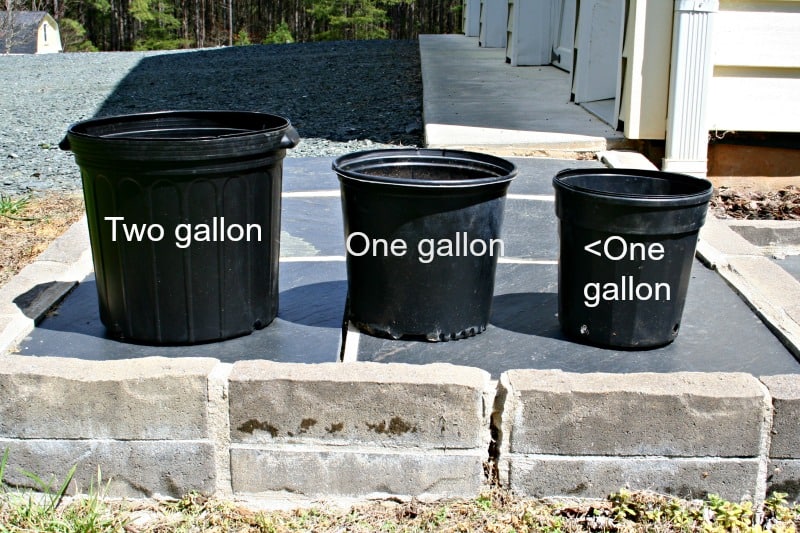
For those who decide they do not want a large vegetable garden, container gardens are a great choice. You can place them on a patio, deck, or another area the receives abundant sunshine. I have a series on container vegetable gardening here on Home Garden Joy that you may find helpful.
What About Fancy Equipment?
Forget all that you read in glossy magazines and other websites about all the fancy equipment you need. You need a hose or watering can, a sturdy trowel and a good pair of gardening gloves. For tomatoes, you need stakes or cages to help them stand upright. That’s it. The rest is all nice to have, but unnecessary for beginners.
I have grown vegetables in a tiny near-New York City backyard, on an apartment patio on Long Island New York and now in raised beds in Virginia. We harvested plentiful vegetables from that tiny plot because of the abundant sunshine, water and great soil; okay vegetables in containers; and now, abundant vegetables once again from my raised bed garden.
No matter what your goals or desires, even growing one tomato plant in a pot on the deck provides such a sense of satisfaction that you’ll never want a store bought one again.
Happy gardening, keep growing, and check back again on Tuesdays and Thursdays for more great backyard gardening tips for beginners in this new winter series from Home Garden Joy.