• Skip to primary navigation
  • Skip to main content
  • Skip to footer
Home Garden Joy
  • Home
  • How to Garden
    • Garden Pests
    • Plant Diseases
    • Raised Bed Gardening
    • Seed Starting
    • Tools & Equipment
  • Plants
    • Plant Profiles
    • Vegetables
    • Fruit
    • Herbs
  • Recipes
    • Canning and Food Preservation
  • Books & Classes
    • Books by Jeanne Grunert
    • Books for Christian Herbalists
    • Herbalism Classes
  • About
    • Privacy Policy

Why Are My Tomatoes Splitting?

August 9, 2019 by Jeanne

Why are my tomatoes splitting? Call them cracks or splits, they still amount to the same thing: a problem with your summer tomato crop that needs to be solved.

Splitting or cracking tomatoes aren’t just ugly. They rot faster, and the cracks invite insects and birds to feast on your produce. I always have problems with crows finding the smallest cracks and using their beaks to peck open tomatoes.

If your tomatoes are splitting, there are a few simpler reasons and easy fixes I’ll discuss below. You can also watch the video if you prefer. It’s under two minutes and offers a fast, simple way to listen to this blog post.

Crack-Resistant Tomato Varieties – from Horticulture

Why Are My Tomatoes Cracking? – Article

Video – Why Are My Tomatoes Splitting

Why Tomatoes Develop Cracks

There are several reasons why tomatoes split or crack:

  1. Too much water after a long drought, such as a few days or weeks without rain followed by a sudden downpour;
  2. Uneven or overall too much water
  3. Some varieties are just prone to splitting

The primary reason tomatoes split is too much water or uneven watering. Tomato skins can’t expand rapidly enough to accommodate all the water absorbed by the roots. The skin splits under the pressure of too much water. If you want to know, “Why are my tomatoes splitting?” Look first to the amount of water they are getting. I’ve found that this is the primary cause almost all the time.
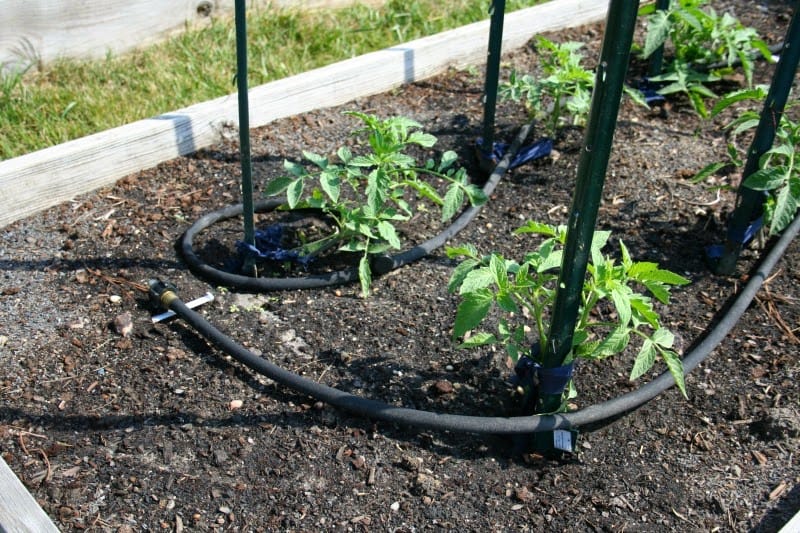
a picture of tomato plants in the garden with a soaker hose
Soaker hoses provide an even drip of water to the roots.

Some varieties are also simply prone to splitting. I planted Purple Delight tomatoes this year and I will NEVER plant them again. They are horrible and split at the slightest provocation. I end up picking them very under-ripe and letting them ripen on the countertop to prevent splitting. Once they split, they shrivel up like an old, empty balloon. Ugh. Never again.

Choosing varieties that resist splitting and cracking helps prevent a ruined crop of tomatoes. If tomatoes do split, they can still be used as long as mold or insects have not penetrated deep within the flesh. If the tomato is moldy, throw it out.
Filed Under: Vegetable Gardening

Previous Post: « Easy Healthy Italian Pasta Salad Recipe
Next Post: Recipe Rehab – Low Sodium Diet Meal Ideas »

Footer

a wheelbarrow with bag of soil, trowel, pots and plants

Understanding Fertilizer: A Complete Guide for Home Gardeners

Understanding fertilizer is an important skill for beginning gardeners. In this guide, I’ll walk you through the basics. By the end of this article, you’ll understand fertilizer, what it is and what it does, and how to use it appropriately in the garden. Introduction: Why We Use Fertilizer in the Garden . Plants absorb nutrients…

Read More

red lettuce, mexican tarragon, and chard

The Best Organic Fertilizers

If you’ve been looking for ways to help your garden truly thrive — not just survive — organic fertilizers might just become your new best friend. They’ve become a cornerstone of sustainable gardening and farming, and for good reason: they don’t just feed your plants, they actually improve the health of your soil over time….

Read More

water droplets in sunbeams over a raised bed vegetable garden

Irrigation Tips for Home Gardens: Drip vs. Soaker Hose

Watering is one of the most essential tasks in maintaining a healthy home garden, yet it is also one of the most misunderstood. Many gardeners rely on overhead sprinklers or hand-watering, both of which can waste water and fail to deliver moisture efficiently to plant roots. Two of the most effective alternatives are drip irrigation…

Read More

chive plants in bloom with lettuce

The 10 Easiest Herbs to Grow

Grow them in pots, containers, window boxes, raised beds, or tucked among your flowers. These are the 10 easiest herbs to grow in almost any temperate garden. They take up little space, are generally unfussy, and are used in lots of recipes. What Do I Need to Start an Herb Garden? You don’t need a…

Read More

  • About
  • Plant a Row for the Hungry
  • Awards
  • Privacy Policy

Let’s Connect!

  • Facebook
  • Instagram
  • Pinterest
  • Substack
  • YouTube

Copyright © 2026 Home Garden Joy on the Foodie Pro Theme