Lemon Balm Plant Profile
Botanical Name: Melissa officinalis
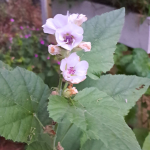
Lemon balm is a perennial herbaceous plant belonging to the mint family, Lamiaceae. It’s prized for its bright green, lemon-scented foliage and small white flowers that attract bees and other pollinators. Lemon balm typically grows to a height of about 18 to 24 inches (45 to 60 cm) and spreads readily via rhizomes, forming dense clumps over time.
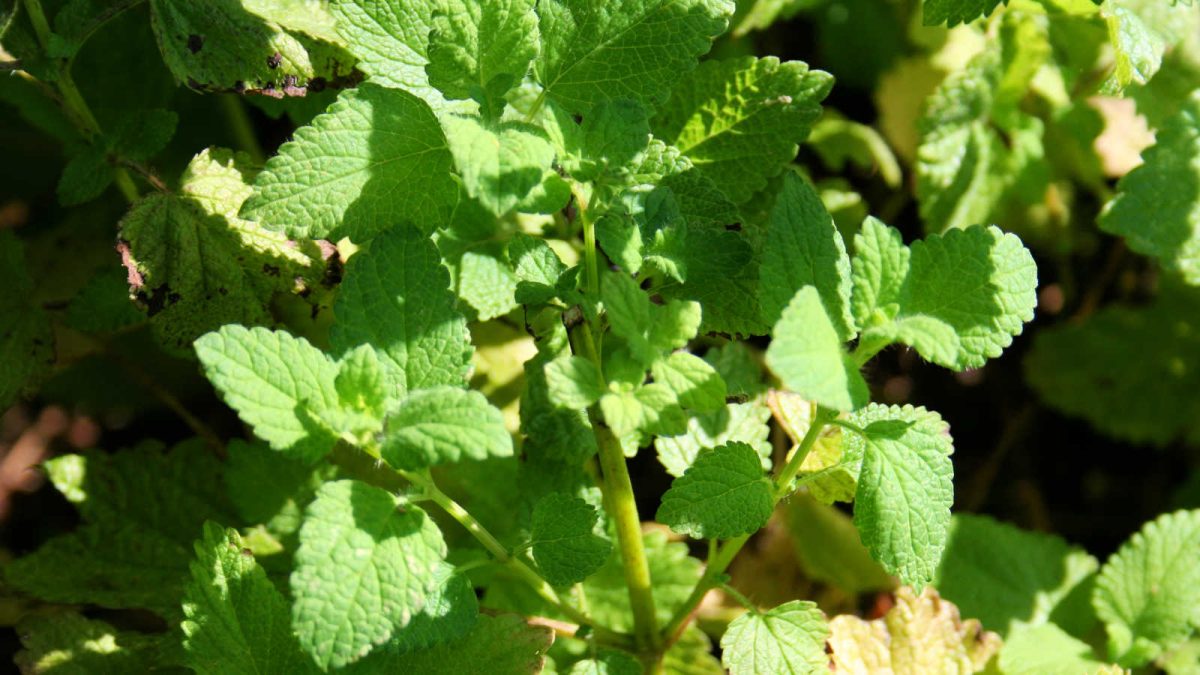
My own lemon balm has spread out nicely on the edge of the loblolly pine woods. I’ve also planted it in bright sunshine in the herb garden next to the pond, and it seeded itself into another part of the perennial garden – and in the walkway! Truly this is an ‘easy care’ herb that doesn’t seem to mind where it grows!
How to Grow Lemon Balm
Light Requirements: Lemon balm thrives in partial shade to full sun conditions. It prefers at least 6 hours of sunlight per day but can tolerate some shade, especially in hot climates.
Soil Requirements: This herb grows best in well-drained, moderately fertile soil with a pH ranging from 6.0 to 7.5. It can adapt to various soil types, including loamy, sandy, or clayey soils, as long as they are not waterlogged.
Water Requirements: Lemon balm appreciates consistently moist soil but is moderately drought-tolerant once established. Water regularly, especially during dry spells, to keep the soil evenly moist. Avoid overwatering to prevent root rot.
Fertilizer Requirements: Lemon balm typically doesn’t require heavy feeding. I don’t feed my lemon balm at all and it does quite nicely. A balanced, slow-release fertilizer applied in spring can help promote healthy growth. Alternatively, incorporating compost or well-rotted manure into the soil before planting provides a natural source of nutrients.
Propagation: There are several methods to propagate lemon balm:
- Division: Divide mature plants in early spring or fall by carefully separating the clumps into smaller sections, each with its own roots and shoots.
- Seed: Lemon balm can be grown from seeds sown directly into the garden in spring after the danger of frost has passed. Start seeds indoors 6-8 weeks before the last frost date for earlier planting.
- Cuttings: Take stem cuttings in spring or early summer from healthy, established plants. Remove the lower leaves, dip the cut end in rooting hormone (optional), and plant the cutting in a pot filled with moistened potting mix. Keep the cutting in a warm, humid environment until roots develop.
- Self-seeding: Lemon balm readily self-seeds in favorable conditions. Allow some flowers to mature and produce seeds, and new plants may emerge nearby.
By providing the right growing conditions and occasional maintenance, lemon balm can thrive in various garden settings, providing both culinary and medicinal benefits with its aromatic leaves and calming properties.
Health Benefits of Lemon Balm
Why grow lemon balm? Like many herbs, it offers both health and culinary benefits.
Lemon balm is most frequently cited as calming and stress relieving herb. I’ve found it has a very subtle effect, especially when blended with lavender tea. I make Rosemary Gladstar’s lavender- lemon balm iced tea recipe from her book, Rosemary Gladstar’s Medicinal Herbs: A Beginner’s Guide: 33 Healing Herbs to Know, Grow, and Use. This is an excellent guide to herbs as well as packed with easy beginner recipes. (Note: This is an affiliate link. Home Garden Joy is an Amazon affiliate and makes money when you use the link to buy from Amazon).
By itself, lemon balm has a very subtle flavor. It’s not as strong as many ‘lemon flavored’ products you’re used to. But when you combine it with lavender, and add some concentrated lemon juice and sweetener, it makes a wonderful lemonade that does seem to have a calming effect.
What else does it offer? Lemon balm contains various antioxidants, including rosmarinic acid and flavonoids, which help combat oxidative stress and protect cells from damage caused by free radicals. Like many herbs, it offers lots of antioxidants that support overall health.
Contraindications
While lemon balm is generally considered safe for most people when consumed in moderate amounts, individuals with existing medical conditions or those taking medications should consult with a healthcare professional before using lemon balm for medicinal purposes. Additionally, pregnant and breastfeeding women should exercise caution and seek medical advice before using lemon balm supplements.
I have read that it can affect the thyroid, but I haven’t seen any good studies that say yes or no to using lemon balm if you have thyroid problems. Use with caution, and of course, if you have any health conditions, speak with your health professional before using any herbs.
How to Make Lemon Balm Tea
I harvest about half a cup of packed lemon balm leaves for two cups of tea. I prefer making more tea at once, then saving the excess and enjoying it later.
Make sure the herbs are clean. May times I find tiny spiders and other bugs in the leaves! Rinse, then pack the herbs into your tea pot or cup. I use a glass mason jar to brew my herbal teas.
To get more flavor from the leaves, snip them up with scissors. Pack into the mason jar. Boil water, pour over the leaves, then put a saucer over the top to keep the steam from escaping. This intensifies the flavor and helps brew a stronger tea. Let it steep for 20-45 minutes. To make strong tea for iced tea, steep 45 minutes; for warm or hot tea, steep 20 minutes.
Allow to cool, then strain the solids from the liquid using cheesecloth or a fine strainer. Reheat if you want hot tea or place in the refrigerator for a refreshing iced tea.
I hope this lemon balm plant profile has been helpful. I love this little herb and enjoy sharing it with friends who drop by my farm for a visit. People who are new to herbs are often surprised when I reach down to pluck leaves from a seeming “weed”, crush them in my fingertips, and they smell that heavenly lemon scent.
Disclaimer
The information provided in this article is for educational purposes only and should not be considered medical advice. Always consult a qualified healthcare professional before using any herbal treatments. The author and website assume no responsibility for any adverse effects or consequences resulting from the use of information presented here.
[…] Make sure you are using edible tea herbs and only ones you know. Culinary herbs such as mint, lemon balm, lemon thyme and chamomile make fine herbal teas for […]