• Skip to primary navigation
  • Skip to main content
  • Skip to footer
Home Garden Joy
  • Home
  • How to Garden
    • Garden Pests
    • Plant Diseases
    • Raised Bed Gardening
    • Seed Starting
    • Tools & Equipment
  • Plants
    • Plant Profiles
    • Vegetables
    • Fruit
    • Herbs
  • Recipes
    • Canning and Food Preservation
  • Books & Classes
    • Books by Jeanne Grunert
    • Books for Christian Herbalists
    • Herbalism Classes
  • About
    • Privacy Policy

Volunteer Plants – Nature’s Unexpected Gifts

July 12, 2025 by Jeanne

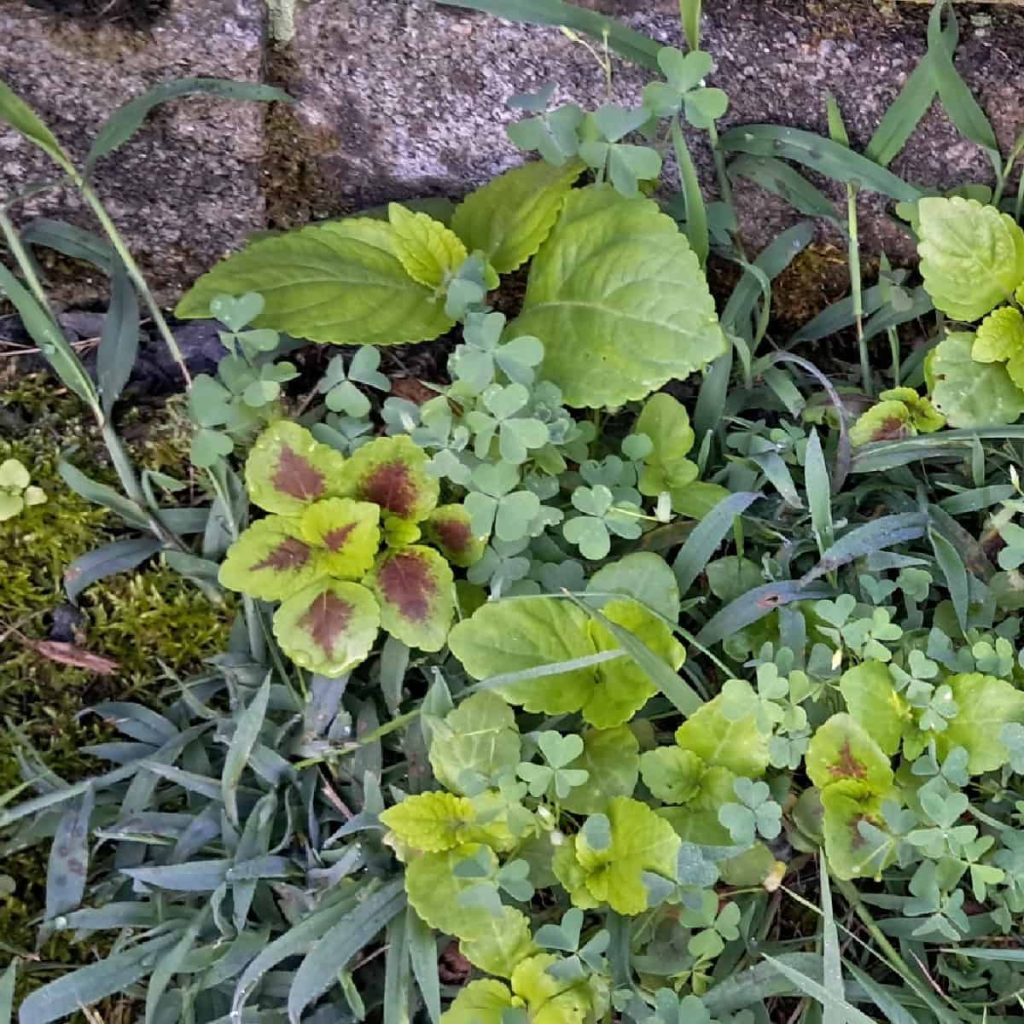
Volunteer plants are one of nature’s most delightful surprises. They spring up unbidden, often in places we didn’t expect—cracks in sidewalks, corners of compost piles, or nestled beside a stone foundation, like the vibrant coleus seedlings growing near my deck shown in these pictures. These botanical freeloaders aren’t weeds; they’re plants that have reseeded themselves naturally, without any help from a gardener’s hand. And while some may see them as accidental, their unexpected arrival can bring both charm and utility to your outdoor space.
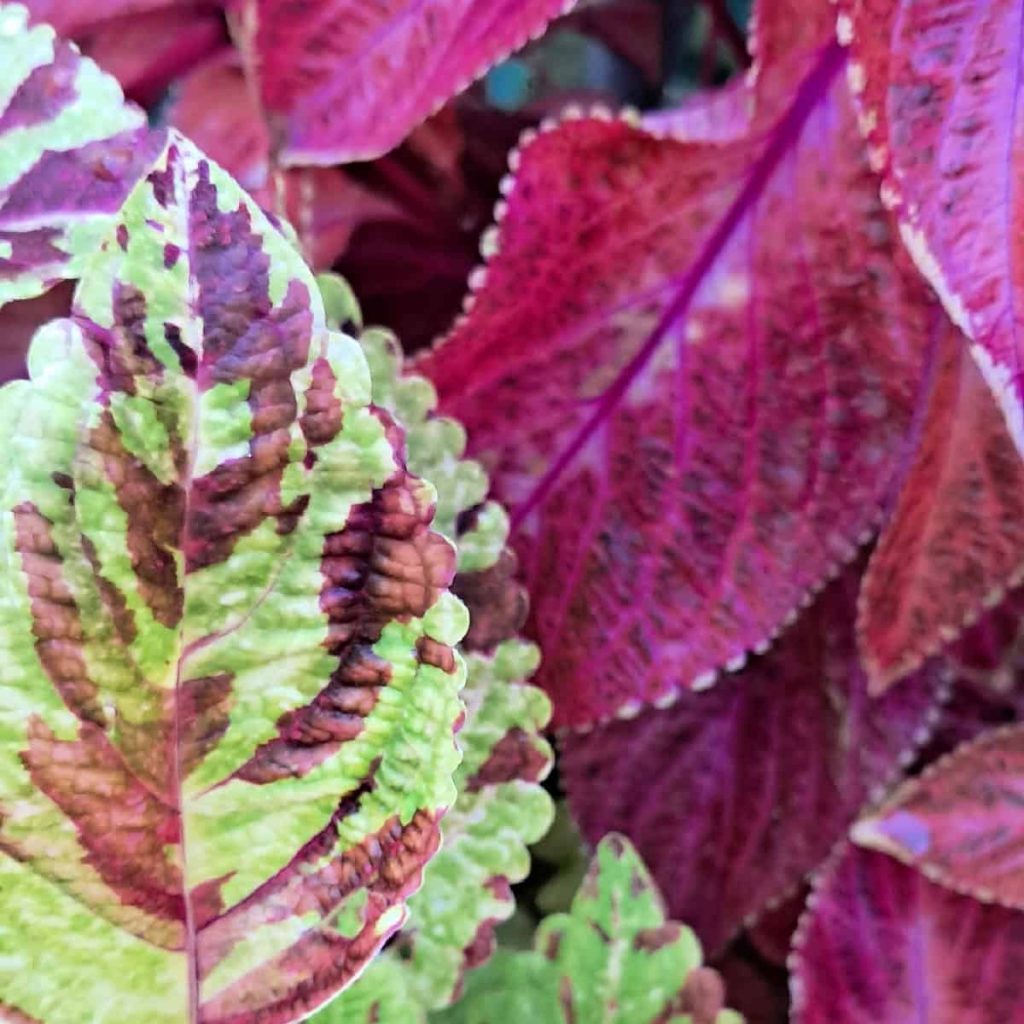
close up of coleus leaves
Coleus growing in planters on my deck.
coleus plants growing in the lawn
Volunteer coleus plants (red and green leaves) in the lawn. The planters are on a raised deck above this area.

Coleus Volunteer Plants

Coleus, with its brilliant foliage and easygoing nature, is a particularly welcome guest. The seedlings popping up beside the stone foundation of my deck, likely dropped from mature plants the previous season. They’ve found a cozy nook and are thriving in the microclimate created by the deck’s shade and warmth. Not only do they brighten up the area, but they also demonstrate the power of healthy soil and favorable conditions. It’s a little ecosystem at work—no invitation required.
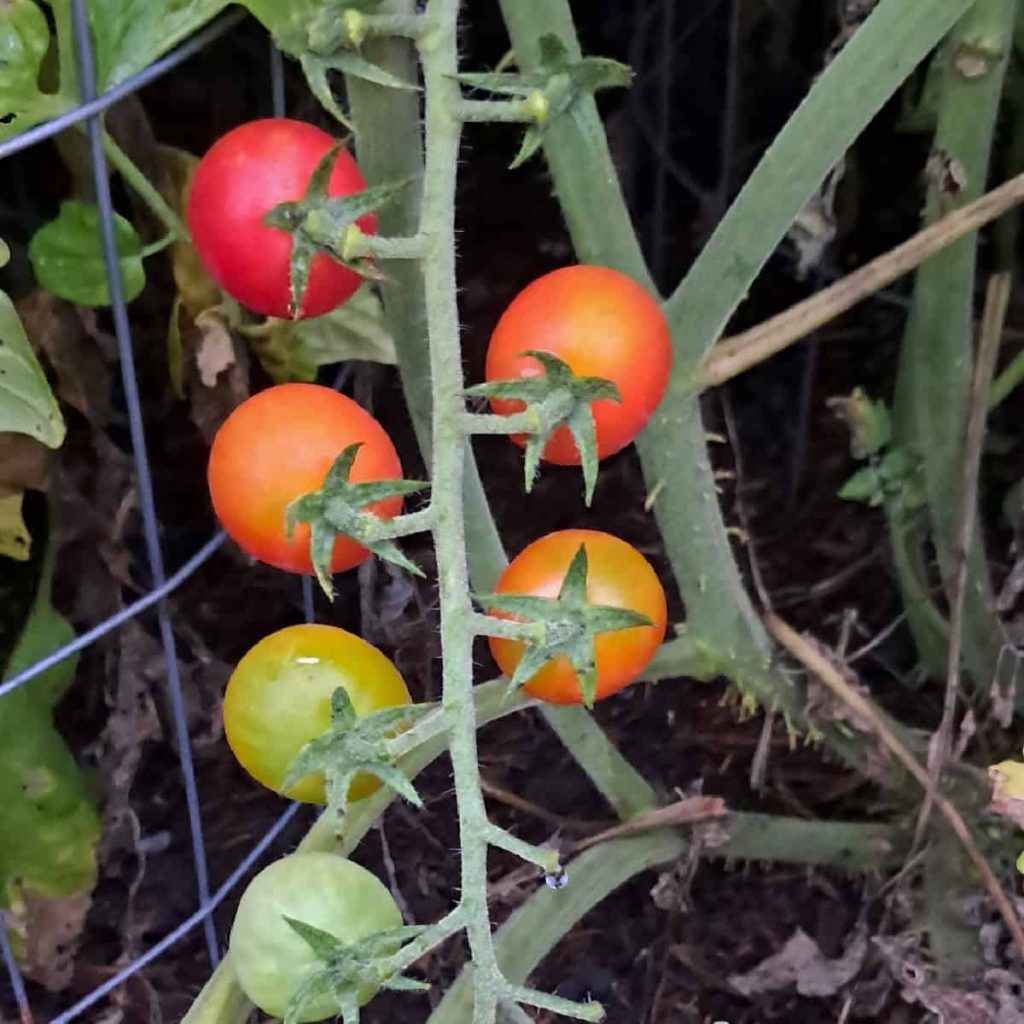
cherry tomatoes in various stages of ripeness
These cherry tomato plants were volunteers.

Volunteer Tomato Plants

Volunteer tomato plants always threaten to take over my raised bed garden. These plants emerge from seeds that overwintered in the soil or were left behind in compost. We’ve found over the years that cherry tomatoes and patio tomatoes, the kind grown for salads, typically yield the most volunteers. And yes, they do yield fruit – plenty of it!

It’s up to you whether you leave volunteer tomato plants in your garden. If you want extra plants, it’s fun to wait and see what they grow into. However, be careful about leaving them too close to the edge of the raised beds. My garden is a jungle this year, with tomato plants leaning over the grass pathways in the raised bed vegetable garden, making it difficult to mow and even maneuver around the plants.

Even my dog has trouble walking down some of those paths, and he usually barges right through!

Will Volunteer Tomato Plants Produce Fruit?

Yes, they do! And they produce tomatoes true to the original parent variety. It is impossible to tell which kind of tomato you have until it sets flowers and bears fruit, however. Tomato seedlings tend to all look alike. I’ve found that cherry tomatoes, such as the ones pictured here growing in my garden from volunteer tomato plants, are the most prolific self-seeders.

Enjoy the Volunteers!

These plants remind us that gardening is as much about spontaneity as it is about control. While they may not always fit into our planned landscape designs, their resilience and enthusiasm can teach us to loosen the reins, celebrate surprises, and let nature do its thing. So the next time you spot a seedling in a strange spot, pause before pulling—it might just be your garden’s next standout.
Filed Under: Home Garden Tips, Raised Bed Gardening, Seed Starting

Previous Post: « Free eBook on Herbal Safety
Next Post: Growing Eggplant: A Guide for Gardeners »

Footer

water droplets in sunbeams over a raised bed vegetable garden

Irrigation Tips for Home Gardens: Drip vs. Soaker Hose

Watering is one of the most essential tasks in maintaining a healthy home garden, yet it is also one of the most misunderstood. Many gardeners rely on overhead sprinklers or hand-watering, both of which can waste water and fail to deliver moisture efficiently to plant roots. Two of the most effective alternatives are drip irrigation…

Read More

chive plants in bloom with lettuce

The 10 Easiest Herbs to Grow

Grow them in pots, containers, window boxes, raised beds, or tucked among your flowers. These are the 10 easiest herbs to grow in almost any temperate garden. They take up little space, are generally unfussy, and are used in lots of recipes. What Do I Need to Start an Herb Garden? You don’t need a…

Read More

a blue borage herb flower

How to Start Herb Seeds the Right Way: Free Course

Learn how to start herb seeds the right way with The Herbal Academy’s new, FREE online course! Home Garden Joy is an Herbal Academy affiliate. We love their ebooks and courses. I’ve taken many of them and found them to be very helpful. They get to the heart of herbalism without introducing spiritual aspects in…

Read More

raised bed garden

How to Prepare Raised Beds for Spring Planting

The snow and ice have finally melted. In the mornings when I walk my dog through our farm, I can hear a rooster crowing on a neighboring farm. Cardinals have begun singing in the dawn. It’s spring, folks. And while the calendar reminds me we can still feel winter’s icy breath, spring planting is just…

Read More

  • About
  • Plant a Row for the Hungry
  • Awards
  • Privacy Policy

Let’s Connect!

  • Facebook
  • Instagram
  • Pinterest
  • Substack
  • YouTube

Copyright © 2026 Home Garden Joy on the Foodie Pro Theme