Growing marshmallow plant has been on my gardening to-do list for quite some time. I’ve read about it in herbal books and grown its cousins in the Malvaceae family from seed. The dark purple mallow plant I have thrives in my little garden by the shed, so I thought, “Why not grow marshmallow there?”
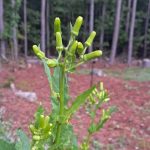
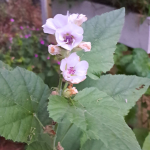
I bought seeds on Amazon, started them in the spring, and transplanted four plants to the area. My cat dug one up (bad kitty loves nothing more than digging his latrine holes exactly where I have already dug up the garden), but the rest lived. The photos accompanying this article are from my beautiful remaining plants, and I’m delighted with how easy growing marshmallow plant was!
Marsh mallow is a straightforward plant to grow once you understand its preference for moisture and rich soil. Here is a clean, text‑only plant profile focused specifically on Althaea officinalis, the medicinal root species.
Marshmallow Plant Profile
Common Name
Marsh mallow, marshmallow plant
Botanical Name
Althaea officinalis
Soil Requirements
Marshmallow prefers moist, fertile, loamy soil with plenty of organic matter. It naturally grows in marshes and damp meadows, so evenly moist soil is ideal. A neutral-to-slightly alkaline pH (6.5–7.5) supports good root development. Adding compost or aged manure improves both moisture retention and root yield.
Light Requirements
Full sun produces the strongest growth and best root harvests. In very hot climates, light afternoon shade can help prevent stress, but the plant generally performs best with abundant sunlight.
Water Requirements
Consistent moisture is essential. The soil should never be allowed to dry out completely. Deep watering several times per week during hot weather keeps the plant vigorous. Mulching around the base helps retain moisture and keeps the root zone cool.
Fertilizer Requirements
Marshmallow is not a heavy feeder, but it benefits from organic amendments. At planting time, incorporate compost or aged manure into the soil. During the growing season, use a balanced organic fertilizer once a month or top‑dress with compost. Avoid high‑nitrogen fertilizers, which encourage leaf growth at the expense of root production.
How to Start Marsh Mallow
Marsh mallow can be started from seed, root divisions, or transplants.
- Starting from seed: Seeds germinate best after cold stratification. Place seeds in moist sand and refrigerate for 4–6 weeks. Sow 6–8 weeks before the last frost or direct sow outdoors in early spring. Cover seeds lightly, as they need some light to germinate. Germination typically occurs in 10–20 days.
- Note: You can buy seeds pre-stratified, which is what I did. This means they’ve already been treated so that they germinate. You can go right to planting and skip refrigeration. I purchased my seeds from Amazon (we’re an affiliate) from Survival Garden Seeds.
- Starting from root divisions: Divide established plants in early spring. Select thick, healthy roots and replant them 1–2 inches deep. This method produces faster, more vigorous plants and is ideal when the goal is root harvest.
- Starting from transplants: Plant outdoors after frost danger has passed. Space plants 18–24 inches apart. Mature plants reach 3–4 feet tall and form clumps suitable for long‑term root production.
Growing Marshmallow Plant in Virginia
I started the seeds in April, taking the seed trays into the garage on nights when the temperatures dropped below freezing. The seeds did not require chilling, so they germinated in about 10 days. The seedlings were vigorous and prolific! I think most of them did germinate. However, of the two areas I planted, the seedlings by the pond in my herb garden did not survive. I think they need more water – that soil tends to be dry and sandy. The seedlings planted in the rich, loamy soil we amended in the new garden by the shed thrived, except for the aforementioned one that the cat dug up.
The plants began blooming about two months after reaching maturity. I’ve read that the best time to harvest marshmallow roots is in the autumn of its second or third year. Wait until the plant completely dies back, then dig up the roots. Clean the roots immediately, then chop for use.
I have also read that both the leaves and flowers are medicinal. Mountain Rose Herbs lists the leaves as medicinal, too, with soothing qualities. And, apparently, they’re edible – the Romans considered them a delicacy, and as late as the Middle Ages, the plants were grown both as food and medicine.
So many plants served double duty throughout the ages in this way, including celery and parsley. Many were considered both healing and nourishing. It’s wonderful to have this pretty perennial gracing my garden along with a few other purely ornamental flowers, and I look forward to sharing my adventures making tinctures with this plant once it matures.