
• Skip to primary navigation
  • Skip to main content
  • Skip to footer
Home Garden Joy
  • Home
  • Gardening
    • Raised Bed Gardening
    • Month-by-Month Gardening Tips
    • Seed Starting
    • Compost and Fertilizer
    • Butterfly Gardens
    • Tools & Equipment
    • Pests & Problems
    • Birds and Wildlife
    • Home Garden Tips
  • Plants
    • Plant Profiles
    • House Plants
    • Vegetables
    • Fruit
    • Herbs
    • Growing Flowers
  • Recipes
    • Easy Recipes
    • Canning and Food Preservation
  • Books & Classes
    • Books for Christian Herbalists
    • Herbalism Classes
    • Books by Jeanne Grunert
  • About
    • Privacy Policy

Grow Your Own Mushrooms

April 15, 2014 by Jeanne


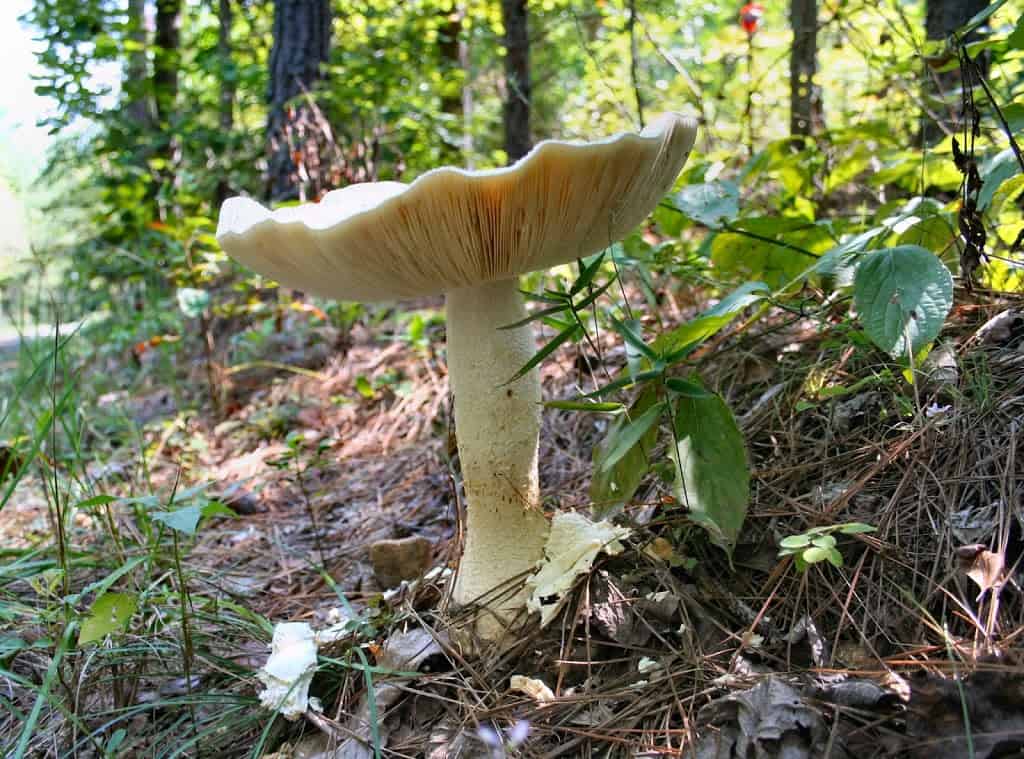
Mushrooms fascinate me. I can walk through the woods here at Seven Oaks in the morning and see a few tiny caps peeking up from the forest floor. By late afternoon, they’ve exploded into full toadstool beauty, and later that evening, they’re gone. Or the next day, they’re nothing but a puddle of black ooze on the forest floor.  I’ve seen fairy rings of mushrooms on the lawn and all sorts of interesting mushrooms.

The local wildlife and naturalist groups host classes to identify edible mushrooms, but I’m too chicken to try it. My husband’s Italian grandparents loved nothing better than picking wild mushrooms and had all sorts of ways they claimed helped you tell the poisonous ones from the safe ones. His grandpa lived well into his eighties, and did not die from mushroom poisoning, so I guess their ways worked. I do not plan to try them anytime soon.
However, growing mushrooms? That’s another story.


Growing Mushrooms at Home
You may have seen gardening catalogs selling mushroom growing kits. These kits are around $20 – $30 each and contain the log or soil mixture, inoculated with edible mushroom spores or spawn, and the instructions you need to grow them.
You can grow shiitake mushrooms, portabella mushrooms, buttom mushrooms and all sorts of mushrooms right at home. The best part? Don’t worry about your light requirements. They need dark, cool, moist and humid conditions. A basement where temperatures remain between 55 and 65 degrees F is perfect.
Some types of mushrooms need an introductory shot of warmth, and a heating pad can be used, according to the kit directions, to raise the temperatures near the soil. Keep the soil moist and monitor your mushroom 
like projections called the mycelium will emerge. These are the “roots” of your mushrooms. You can harvest the mushrooms daily for up to six months, but avoid digging into the growing medium. If you disturb their root system, they may stop production.
Here’s a link to a mushroom growing kit on Amazon. If you click the link and buy from Amazon, I get a small percent, but it does NOT affect your price. Thanks!

Filed Under: Vegetable Gardening

Previous Post: « Lettuce and Leeks
Next Post: No-Weed Vegetable Gardens »

Reader Interactions

Comments

  1. Jo

    April 15, 2014 at

    No place I could begin to grow mushrooms. I’m in an apartment.

    I would love to learn all about picking wild mushrooms. They have so much flavour.

Trackbacks

  1. Are Mushrooms in the Lawn Bad says:
    October 6, 2015 at

    […] all the rain we’ve had this week, mushrooms are popping out all over. But are mushrooms in the lawn bad, good, or […]
Footer

yellow bearded iris "Lemon Pledge"

How to Ship Iris Rhizomes – Sharing Is Half the Fun!

How to ship iris rhizomes (bearded iris) correctly is a simple skill, and one worth learning if you’re interested in pass-along plants. When I was a girl, it was common for neighbors to share plants. Someone would divide their peonies or iris and offer a portion to a neighbor. These “pass-along plants” came with stories,…

Read More

herbal academy course photo

Natural Remedy for Tick Bite: New Course

The Herbal Academy has just launched a new course called “After the Bite: What You Need to Know About Tick-Borne Diseases.” This course features a natural remedy for tick bites and supportive herbal care after the bite. As someone who was seriously ill ‘after the bite’ – and didn’t even realize a tick had sent…

Read More

a red knockout rose

June Gardening Tips: Everything You Need to Do in Your Garden This Month

I’m sharing these June gardening tips for gardening zone 7B. However, you can easily adapt them to your gardening zone. June is one of those months that feels like there’s so much to do in the garden you don’t know where to start. Fortunately, nature gives you extra-long days and plenty of sunshine! Whether you…

Read More

watering can with plants

Growing Ginger in the Home Garden

Growing ginger is fun. I was surprised to learn that I could grow ginger in Zone 7B, central Virginia. I attended a lecture by Ann Codrington of Nisani Farms several years ago. She discussed growing both ginger and turmeric. Her farm is in Maryland, but I discovered that both plants can be grown in both…

Read More

  • About
  • Plant a Row for the Hungry
  • Awards
  • Privacy Policy

Let’s Connect!

  • Facebook
  • Instagram
  • Pinterest
  • Substack
  • YouTube

Copyright © 2026 Home Garden Joy on the Foodie Pro Theme