• Skip to primary navigation
  • Skip to main content
  • Skip to footer
Home Garden Joy
  • Home
  • Gardening
    • Raised Bed Gardening
    • Home Garden Tips
    • Seed Starting
    • Compost and Fertilizer
    • Tools & Equipment
    • Butterfly Gardens
    • Pests & Problems
    • Birds and Wildlife
  • Plants
    • Plant Profiles
    • House Plants
    • Vegetables
    • Fruit
    • Herbs
    • Growing Flowers
  • Recipes
    • Easy Recipes
    • Canning and Food Preservation
  • Books & Classes
    • Books for Christian Herbalists
    • Herbalism Classes
    • Books by Jeanne Grunert
  • About
    • Privacy Policy

Meet a Polyphemus Moth Caterpillar

October 14, 2025 by Jeanne

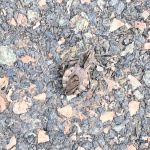
We were on our evening walk last night when this beauty crossed our path: a polyphemus moth caterpillar.
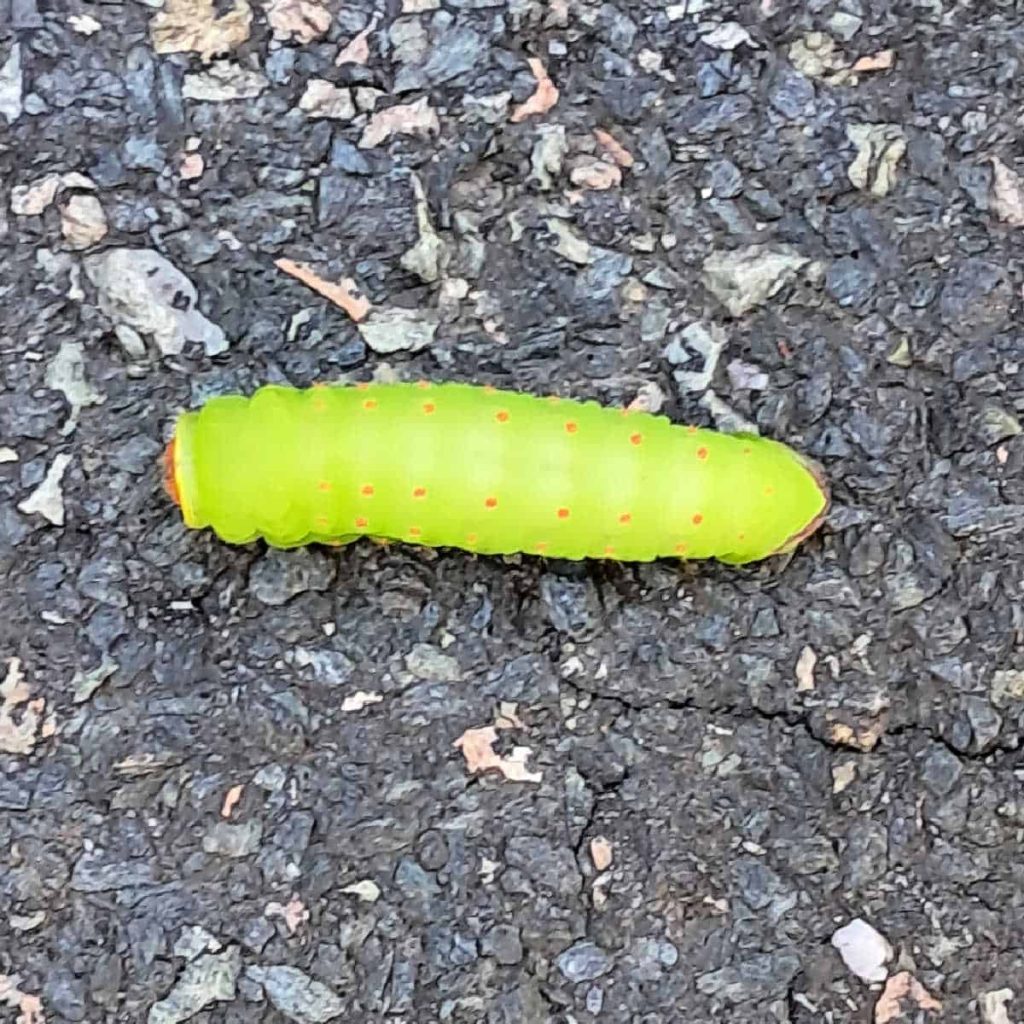
polyphemus moth caterpillar
It was so big it startled me! Also a bright neon green.
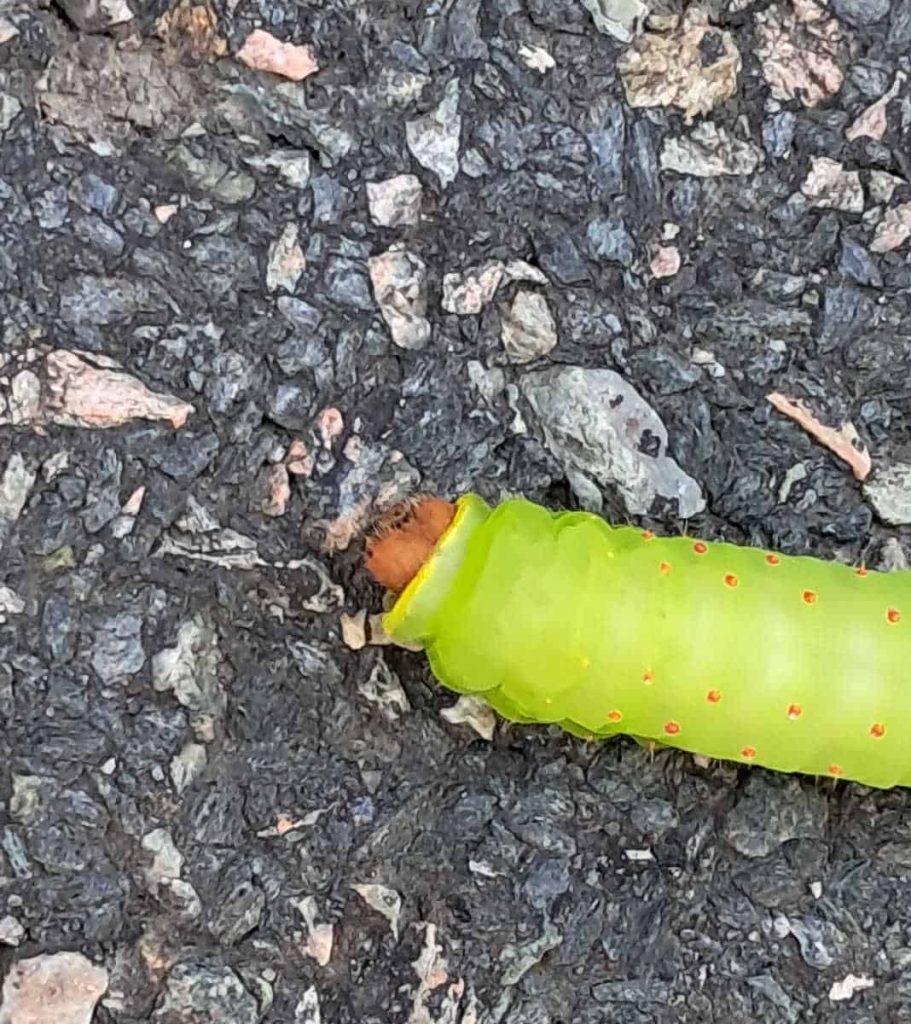
close up of the polyphemus moth caterpillar
You can see a hint of the eventual moth near the mouthpart – the brown.

What Is the Polymphemus Moth?

The Polyphemus moth (Antheraea polyphemus) is a large and visually striking moth native to North America. It belongs to the Saturniidae family, which includes many of the giant silk moths. Its name comes from Polyphemus, the one-eyed Cyclops in Greek mythology, referencing the prominent eyespots on its hindwings.

Key Characteristics

  • Size: Wingspan can reach up to 6 inches (15 cm), making it one of the largest moths in North America
  • Coloration: Typically tan to reddish-brown with transparent spots on the forewings and bold, purplish eyespots on the hindwings
  • Antennae: Males have large, feathery antennae used to detect female pheromones over long distances

Life Cycle

  • Eggs: Laid on a variety of host trees, including oak, birch, willow, and maple
  • Larvae: Bright green caterpillars that consume massive amounts of foliage—up to tens of thousands of times their own weight
  • Cocoon: Made of brown silk and often wrapped in leaves
  • Adult Moths: Do not eat; their sole purpose is reproduction. They live for only about a week

Habitat and Behavior

  • Found in forests, suburban areas, and wetlands across the United States, Canada, and parts of Mexico
  • The adult moths are nocturnal and attracted to light

What Do They Eat? Are They “Bad” Bugs?

NO, they are not bad bugs! Please don’t squish or kill these beautiful insects. Far too many misguided people think every caterpillar or insect should be killed on sight, and there are very few that deserve that fate. None, I would say, except some are indeed detrimental to crops, and so yes, we do have to kill them. But this big guy – the polyphemus moth caterpillar that looks like something out of Alice in Wonderland? No, leave him alone!

He’s a native of North America and part of our ecosystem here in the United States, so let him do his thing. I hope he finds a nice, safe, snug place to winter over.
Filed Under: Garden Pests

Previous Post: « Home Grown Garlic: How to Grow Garlic
Next Post: How to Adjust Soil pH for Vegetable Gardens »

Footer

a red knockout rose

June Gardening Tips: Everything You Need to Do in Your Garden This Month

I’m sharing these June gardening tips for gardening zone 7B. However, you can easily adapt them to your gardening zone. June is one of those months that feels like there’s so much to do in the garden you don’t know where to start. Fortunately, nature gives you extra-long days and plenty of sunshine! Whether you…

Read More

watering can with plants

Growing Ginger in the Home Garden

Growing ginger is fun. I was surprised to learn that I could grow ginger in Zone 7B, central Virginia. I attended a lecture by Ann Codrington of Nisani Farms several years ago. She discussed growing both ginger and turmeric. Her farm is in Maryland, but I discovered that both plants can be grown in both…

Read More

borage flower

Companion Planting with Herbs: Your Secret Weapon for a Healthier, Happier Garden

Every summer, without fail, I plant basil at the end of the raised beds. These are the beds filled with Roma tomatoes, the ones we harvest by the bushel to make our salt-free organic tomato sauce. My tomatoes thrive. “Did you know that basil repels aphids?” an organic gardener friend mentioned to me casually one…

Read More

chive plants in bloom with lettuce

Growing vs. Wild Foraging Medicinal Herbs: My Perspective

Growing vs. wild foraging medicinal herbs is a real concern among newbie herbalists. The other day, I shared pictures of my herb seedlings (mallow, parsley, and savory) on Facebook. A nervous nellie immediately wrote, “I would be so AFRAID to do that! How can you know they are safe?” Well, first of all, parsley and…

Read More

  • About
  • Plant a Row for the Hungry
  • Awards
  • Privacy Policy

Let’s Connect!

  • Facebook
  • Instagram
  • Pinterest
  • Substack
  • YouTube

Copyright © 2026 Home Garden Joy on the Foodie Pro Theme