Grow them in pots, containers, window boxes, raised beds, or tucked among your flowers. These are the 10 easiest herbs to grow in almost any temperate garden. They take up little space, are generally unfussy, and are used in lots of recipes.
Key Takeaways
- Starting an herb garden requires minimal space, experience, or equipment, making herbs the easiest herbs to grow.
- Essential supplies include good soil, sunlight, a water source, fertilizer, and either seeds or starter plants.
- Container gardening works great for small spaces, allowing flexibility and control over herbs’ environment.
- Ten easiest herbs to grow include basil, mint, rosemary, thyme, parsley, chives, oregano, sage, lemon balm, and dill.
- Begin with a few favorite herbs and enjoy the enjoyment of gardening while enhancing your kitchen recipes.
What Do I Need to Start an Herb Garden?
You don’t need a lot of space, experience, or equipment to start an herb garden. Herbs are among the most forgiving and generous plants you can grow.
Essential Supplies
- Good soil is the foundation of everything. Herbs love well-draining soil, so a general-purpose potting mix works beautifully for containers, while garden beds do best with loosened soil that’s been enriched with a little compost.
- Sunlight is non-negotiable for most herbs — aim for at least six hours of direct sun each day. A sunny windowsill, patio, or garden bed will do the trick.
- A water source doesn’t need to be fancy. Herbs prefer consistent moisture (especially in containers) without being waterlogged, so a simple watering can or a hose with a gentle spray setting is all you need.
- Fertilizer can give your herbs a helpful boost, though honestly, many varieties are quite content with minimal feeding. A light application of balanced, slow-release fertilizer is plenty.
- Seeds or starter plants — both work great, but if you’re just getting started, young plants from a nursery take a lot of the guesswork out of germination. That said, basil, dill, and parsley all grow surprisingly easily from seed if you want to try.
Starting an Herb Garden in the Ground
If you’ve got a sunny patch of yard, planting directly in the soil is a fantastic option that gives herbs room to really stretch out and thrive.
- Prepare the soil by loosening it to about 8–12 inches deep and mixing in some compost. This improves drainage and gives roots something nourishing to grow into.
- Plan your spacing based on how big each herb will eventually get. Rosemary and sage need a bit of elbow room, while chives are happy in a tighter spot.
- Plant at the right depth, keeping the top of the root ball level with the soil surface — not too deep, not too shallow.
- Water thoroughly right after planting, then continue watering whenever the top inch of soil feels dry to the touch.
- Add a light layer of mulch around your plants to help hold moisture and keep weeds at bay — just keep it away from the stems so things don’t get too damp down there.
This setup is perfect if you’re dreaming of a dedicated kitchen garden or want herbs that grow big and come back year after year.
Starting an Herb Garden in Pots or Containers
No yard? No problem at all. Container gardening is a brilliant option for patios, balconies, or any small space, and it actually gives you more control over your herbs’ environment.
A few things to keep in mind as you get set up: always choose containers with drainage holes so roots don’t sit in water, and use a good-quality potting mix rather than garden soil (which tends to compact in pots). Match your pot size to the herb — fast-spreading types like mint really do best with their own dedicated container, while smaller herbs like thyme and oregano can happily share space. Place your containers somewhere sunny, water a bit more frequently than you would in-ground beds (pots dry out faster), and give them the occasional rotation so every side gets a little love.
One of the best things about container gardens is their flexibility — you can rearrange them, move them away from pests, or bring them indoors if the weather turns.
Choosing Herbs for Your Setup
Some herbs take especially well to containers — basil, parsley, chives, and mint are all wonderful choices for pot life. Rosemary, sage, oregano, and thyme are versatile enough to flourish in both containers and garden beds. And dill, which grows so quickly from seed, slots easily into either situation.
When in doubt, start with herbs you already love to cook with. That way, every harvest feels like a little reward.
Ten Herbs That Are Easy (and Fun) to Grow
Once you’ve got your setup sorted, it’s time to decide what to actually plant. These ten herbs are beloved by beginner gardeners because they’re forgiving, productive, and a genuine pleasure to have around. Take a look and see which ones speak to you.
Basil
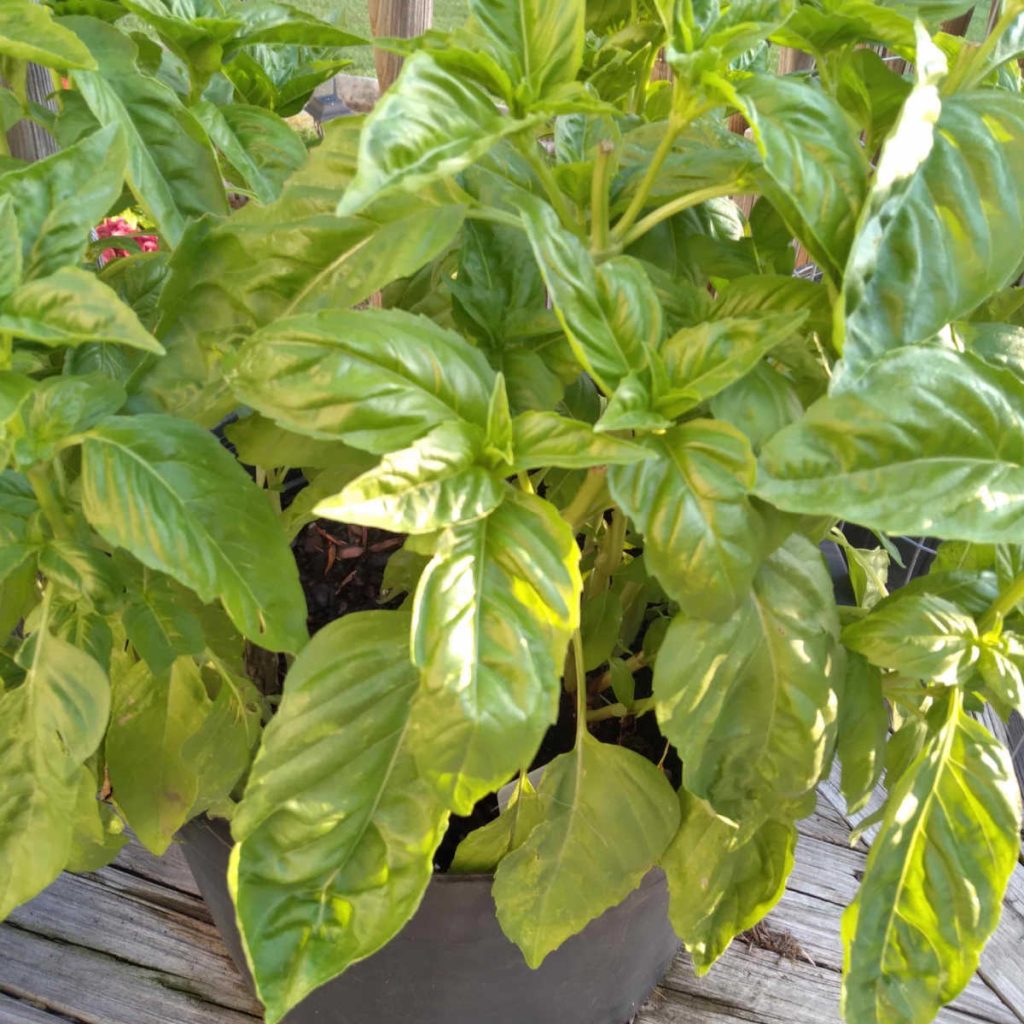
Basil is the herb that makes you feel like a gardening genius. It shoots up fast in warm weather, adores the sun, and practically rewards you for paying attention to it — the more you pinch and harvest, the bushier and more generous it becomes. It’s hard not to fall a little in love with it.
You can start basil from plants purchased at the garden center or from seeds. Be sure to put it outside only after all danger of frost is past. It cannot tolerate cold temperatures. Pinch the flower buds off to keep it bushy and producing the fragrant leaves used in cooking.
Mint
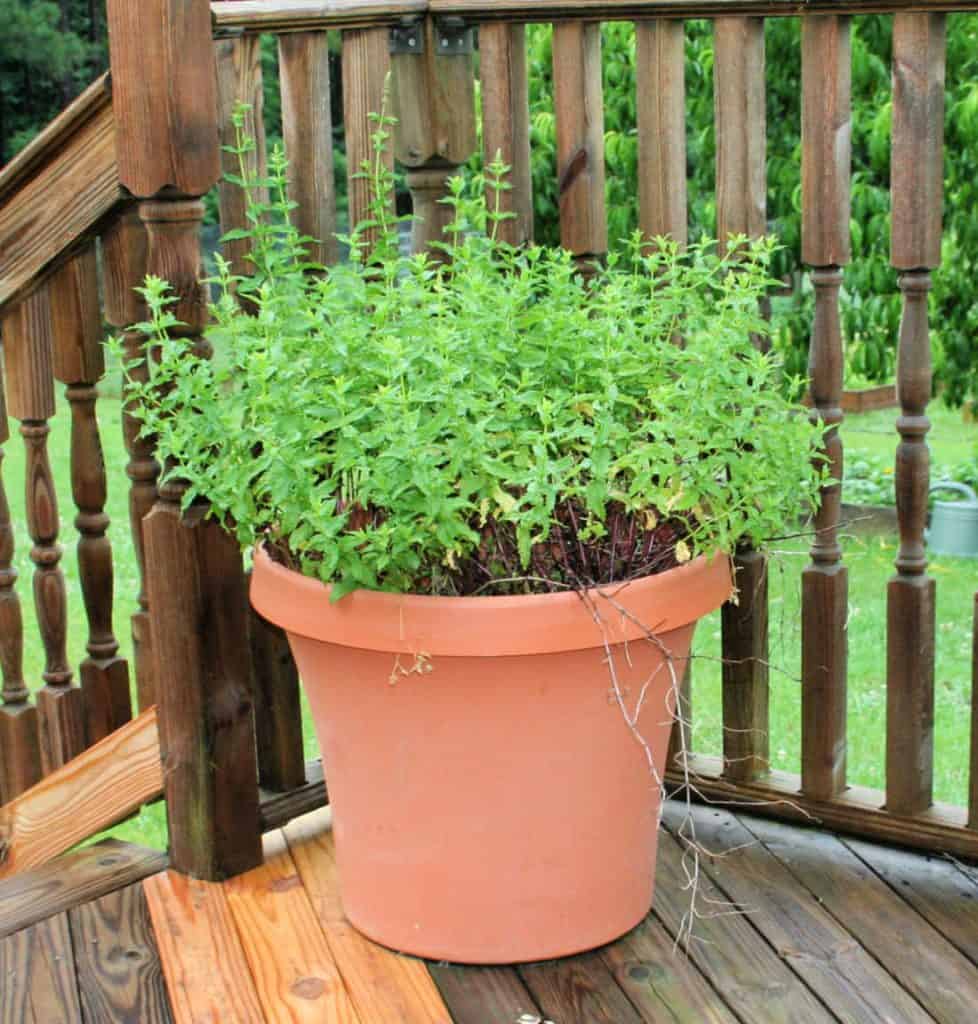
Mint is that enthusiastic friend who shows up and never wants to leave — in the best possible way. It’s nearly impossible to kill, happy in sun or shade, and completely unfazed by uneven watering. Just pop it in its own container to keep those adventurous roots in check, and it’ll thrive contentedly.
Mint can be grown from plants or seeds, but fair warning: plant is carefully. It spreads. And continues spreading. It can rapidly take over the garden. I keep my mints in large containers to prevent them from tunneling everywhere. I once had it growing in the lawn, which smelled great when I mowed, but made it impossible to harvest for tea!
Rosemary
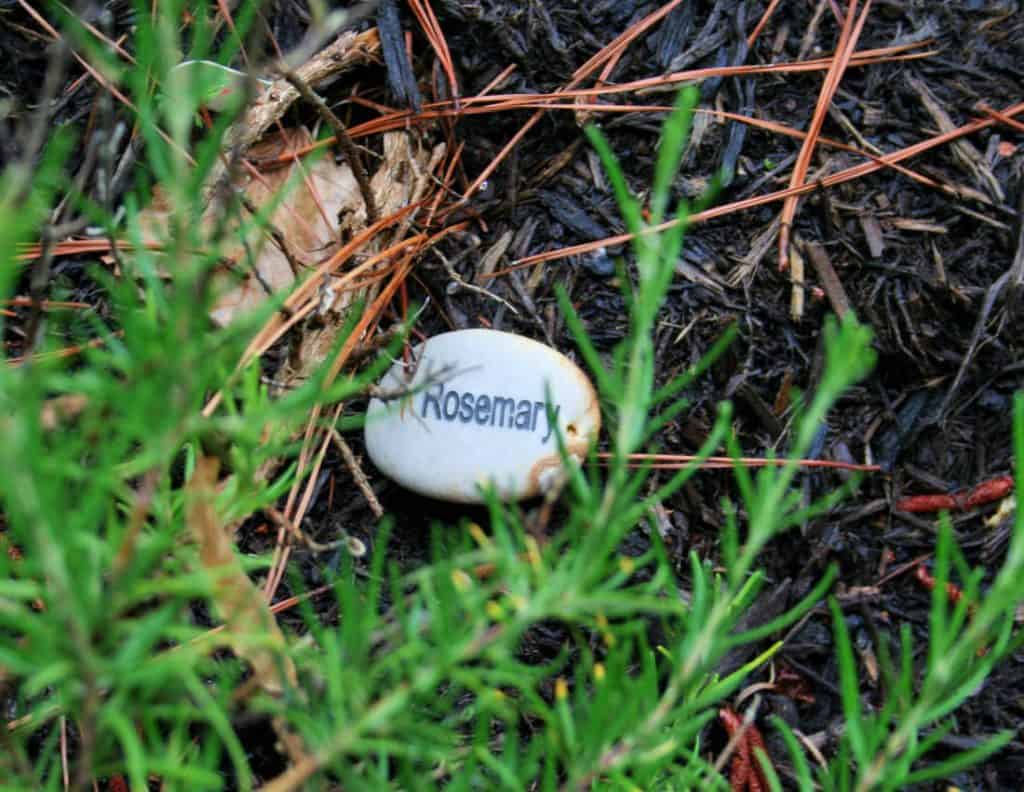
Rosemary is the herb for people who forget to water things (no judgment whatsoever). Once it’s settled in, it practically takes care of itself — dry soil, full sun, minimal fussing. Plant it once, and it could be with you for years, growing more beautiful and fragrant with every passing season.
Rosemary can get big and bushy, so give it lots of room in the garden. I prefer to purchase a starter plant rather than grow rosemary from seed. It is drought-tolerant and loves full sun.
Thyme
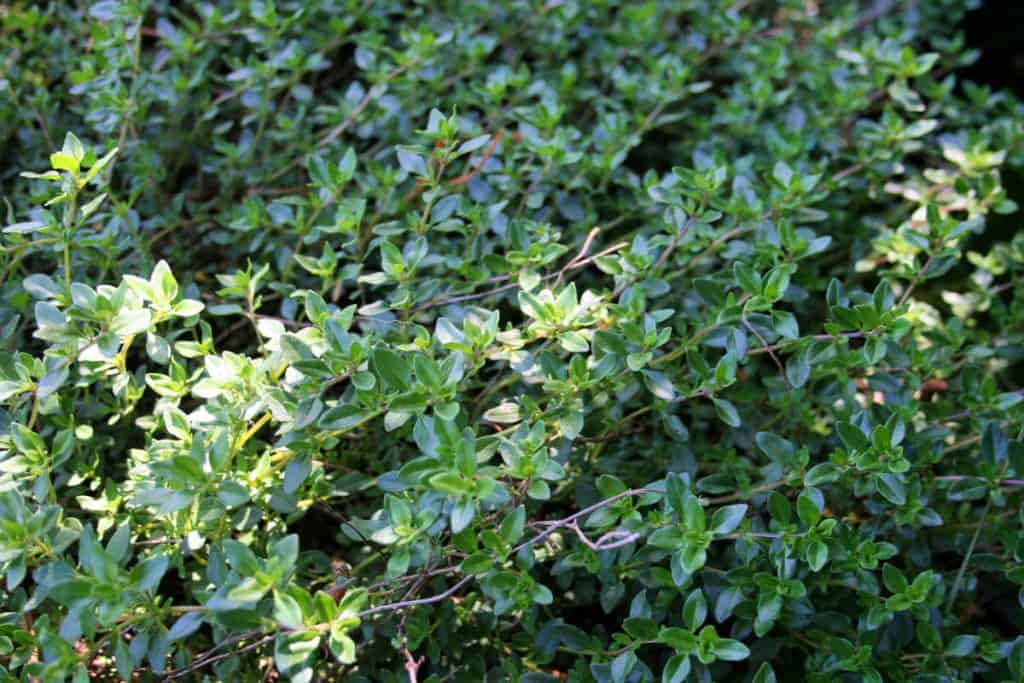
Thyme is wonderfully laid-back. Poor soil? Blazing heat? No problem. It spreads into a pretty little mat, fills the air with a lovely aroma when you brush past it, and keeps offering up those tiny, flavorful leaves all season long. Truly one of the easiest herbs you’ll ever grow.
Thyme is easy to start from seeds or plants. There are creeping varieties that remain low to the ground and upright varieties. I grow both in my herb garden. The flavor is indistinguishable from one another, so grow what pleases you.
Parsley
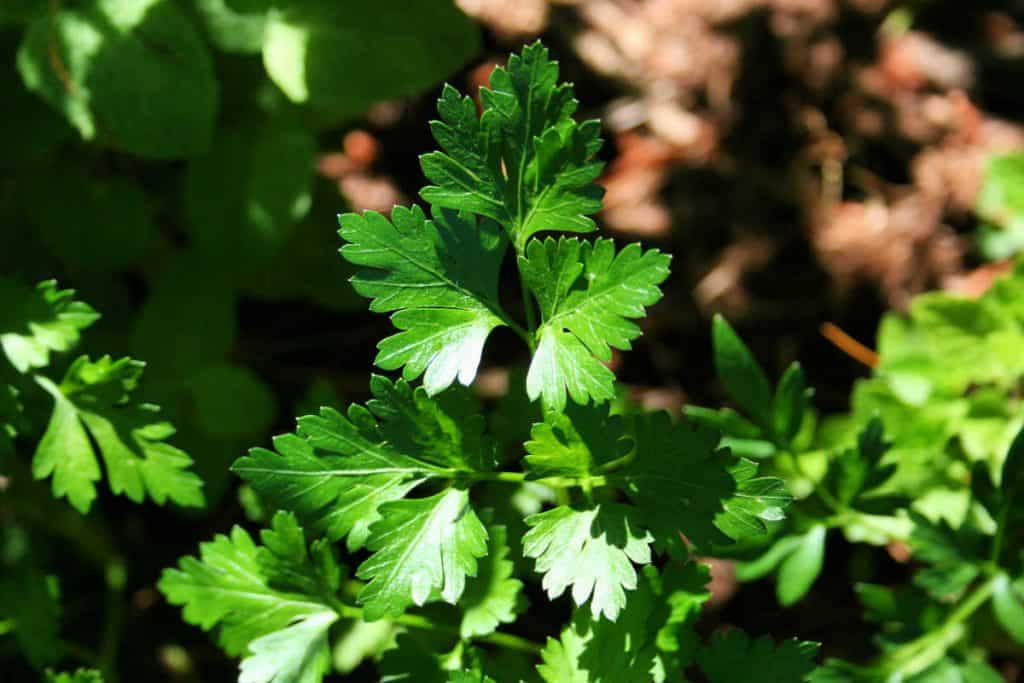
Parsley is a slow starter, but please don’t give up on it — it is absolutely worth the wait. Once it finds its footing, it becomes a dependable, steady producer that keeps going even as the weather cools. It’s perfectly happy in a pot or in the ground, in full sun or partial shade. Flexible and reliable, just the way you want your herbs to be.
Parsley is tricky to grow from seed. It requires many weeks to germinate. I remember looking at the pots with their sad, bare dirt, and thinking, “This is never going to grow.” Then – a glimpse of green. I buy plants now. Less anxiety about whether or not the seeds will germinate!
It’s also a biannual, which means it can live through the winter, depending on your gardening zone. In the second year, it will develop seeds.
Chives
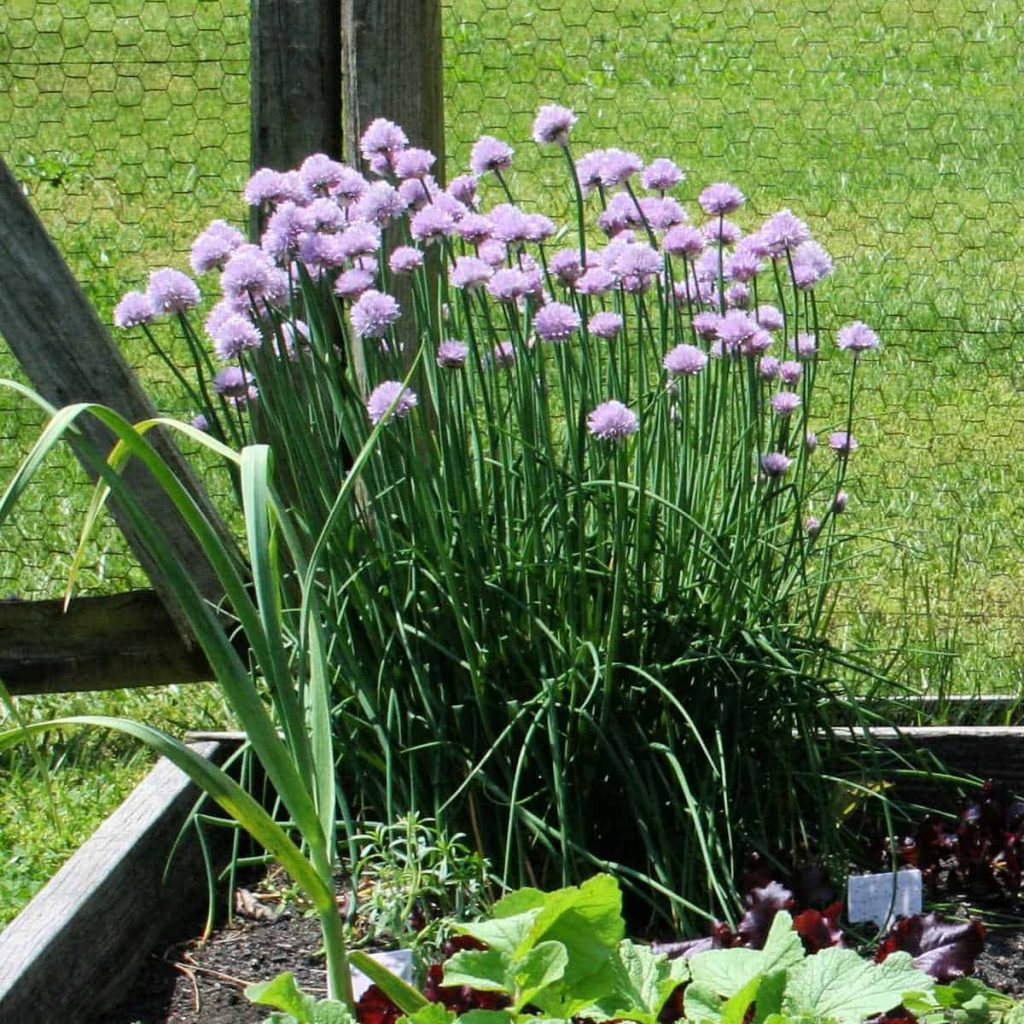
Chives are a gift that keeps on giving, year after year. They come back every spring without any prompting, they’re happy in a small pot on a balcony, and they’ll even treat you to pretty little purple flowers that bees and butterflies absolutely adore. A little water here and there is really all they ask for.
Chives are perennial herbs, so choose the spot where you want to grow them carefully. I grew mine from seed, and they were very easy to start. The flowers and stems of the chive plant are edible. Both have an onion-like flavor.
Oregano
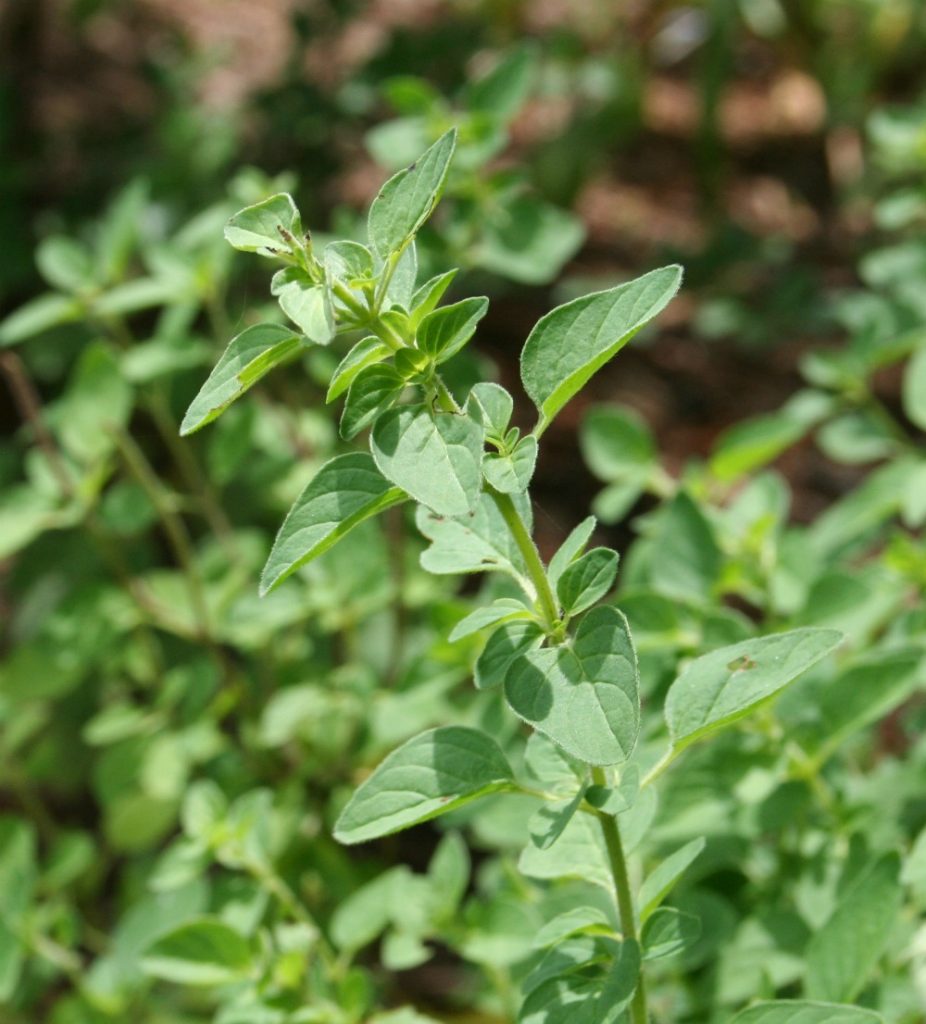
Oregano actually gets more flavorful when you leave it a little on its own. It loves full sun and lean, dry soil, spreads cheerfully without complaint, and returns reliably each year. If you want an herb that basically says “don’t worry about me,” oregano is your match.
Oregano is easy to grow from seeds. It spreads vigorously and can grow in shade or partial shade, making it ideal for shady areas. I have actually grown it as a ground cover – it’s that prolific and holds the soil in quite well! It is also a perennial herb. And it makes a wonderful pesto, a nice switch from basil pesto.
Sage
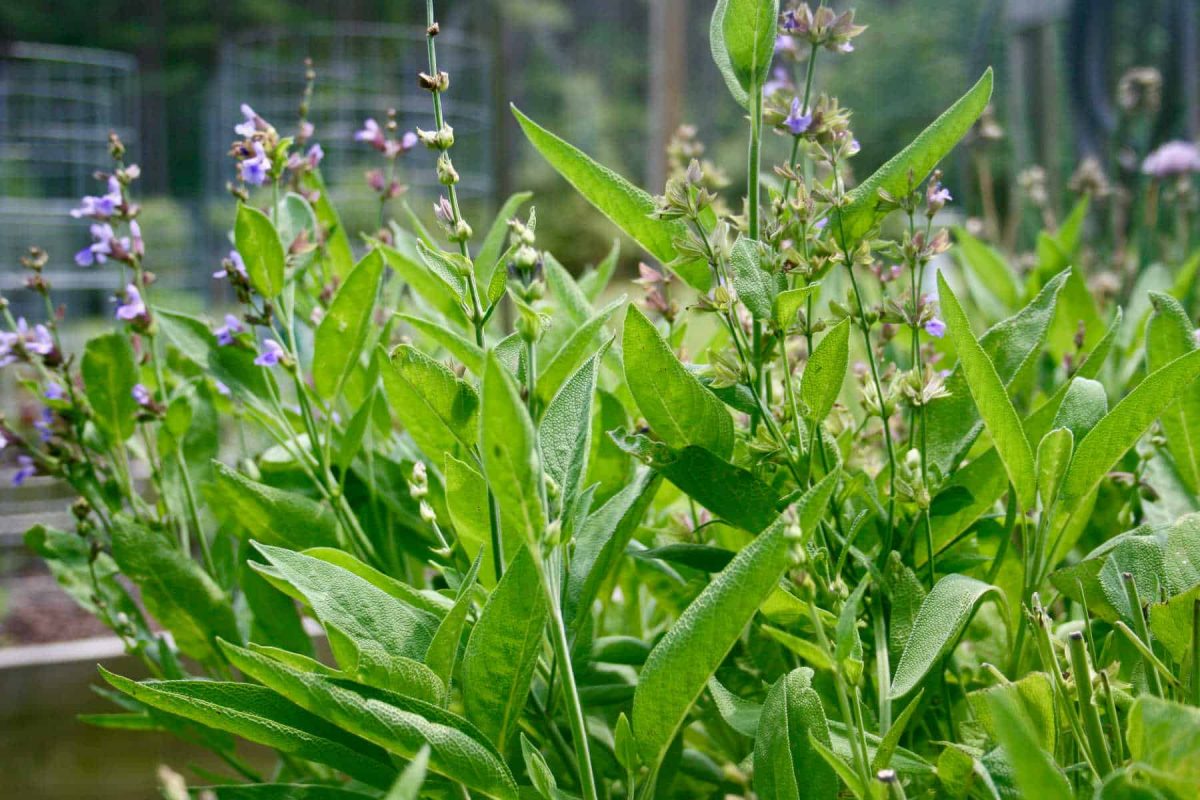
Sage is a bit of a showstopper — those soft, silvery-green leaves look gorgeous in a garden, smell incredible, and happen to be one of the most useful herbs in the kitchen. It handles dry spells well, shrugs off most pests, and can grow into quite a beautiful, long-lived shrub with almost no effort on your part.
I adore sage. Not only does it look beautiful, it smells good. And you can use the leaves fresh or dried. You can even FRY the leaves and eat them crispy, which is delicious! Sage can be started from seeds or plants, but like other perennial herbs, choose the location for it carefully. While I have moved mature sage plants in the garden, they seem to dislike being disturbed and may not grow well after being transplanted.
Lemon Balm
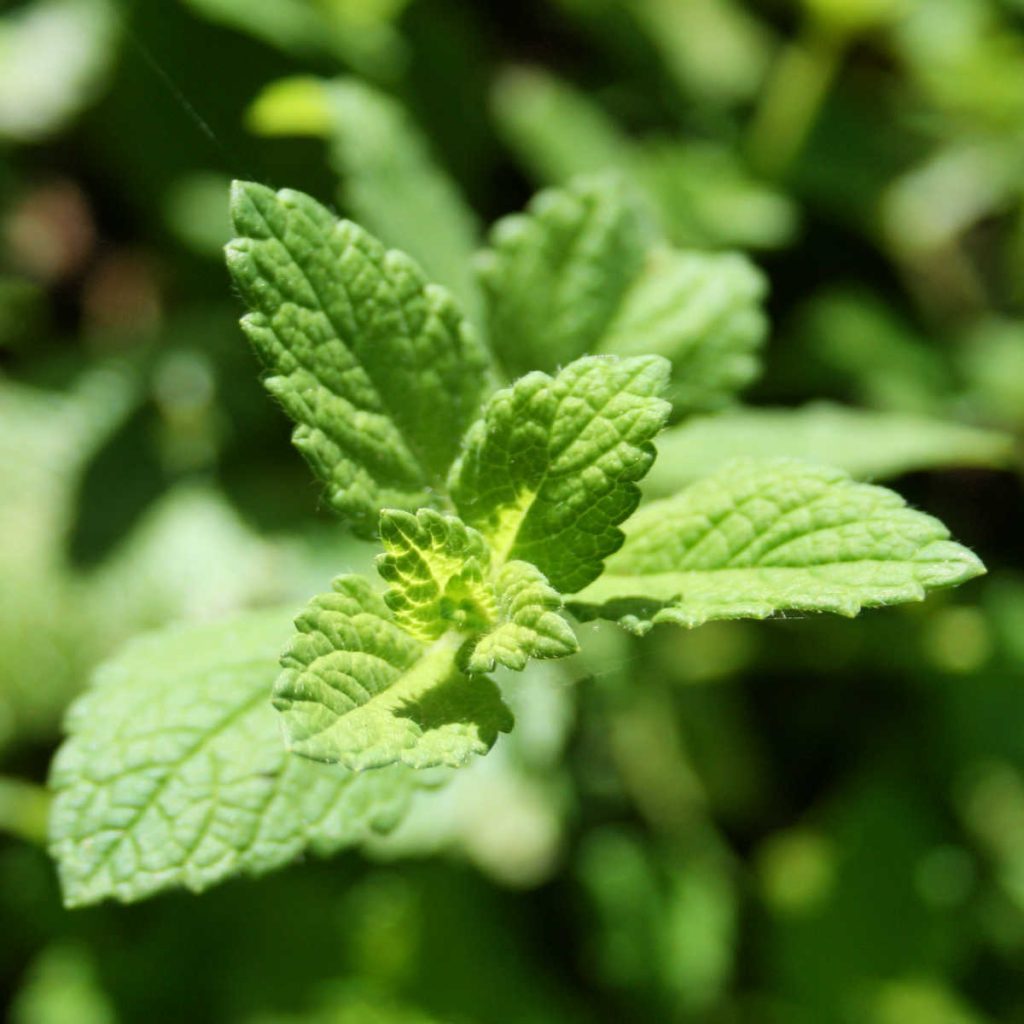
Lemon balm brings such a cheerful energy to a garden. Brush against its leaves and you’re treated to a bright, fresh citrus scent that instantly lifts the mood. It’s happy in partial shade, tolerates moist soil, and spreads with great enthusiasm — which is exactly why a container is a smart choice to keep it happily contained.
Lemon balm grows easily from seed. The flowers attract tons of bees, making it useful to support your local pollinators. I brew a delightful lemon balm and lavender tea that makes for a refreshing ice-cold lemonade after a morning spent gardening.
Dill
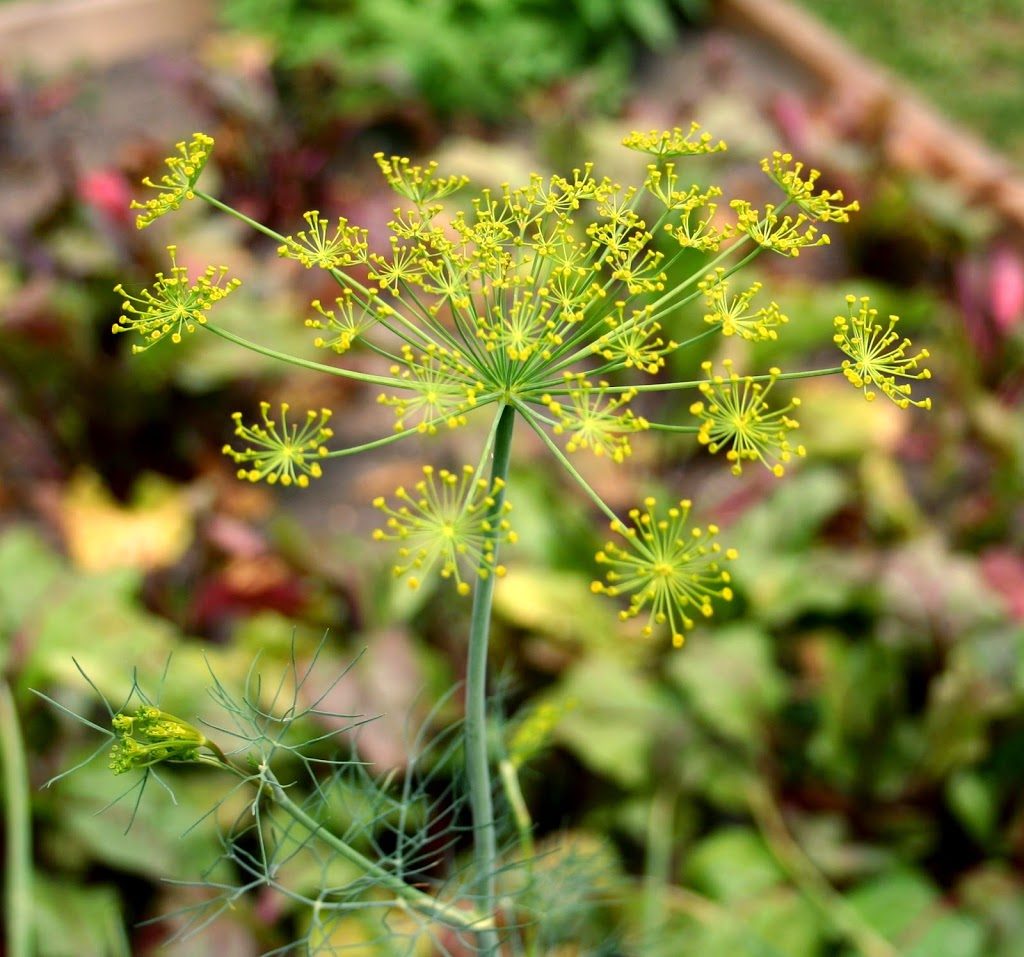
Dill is the herb for people who love fast results. Give it a sunny, well-drained spot, scatter some seeds, and watch it take off. Its feathery foliage is lovely both in the garden and in the kitchen, and if you let it go to seed, you’ve got everything you need for a proper homemade pickle.
Grow dill from seeds, but always purchase new seeds each year. Older dill seeds just won’t germinate. I tuck dill among my strawberry plants and at the ends of the raised beds so I have plenty by the time the cucumbers harvest starts and I’m in full-on let’s-make-pickles mode. Plant extra, because swallowtail butterfly caterpillars love it!
So, Where Should You Begin?
Here’s a simple way to think about it: if you want to harvest something fast and feel that immediate satisfaction, basil, dill, or chives will deliver. If you’d rather plant something once and let it become a long-term fixture in your garden, rosemary, sage, thyme, or oregano are wonderful companions for the years ahead. And if container gardening is your path, mint, parsley, and chives are especially well-suited to life in a pot.
All you really need is some sunlight, decent soil, a little water, and the willingness to get started. Begin with a couple of your favorites — the herbs you find yourself reaching for most in the kitchen — and grow from there.
What herbs are you thinking about planting first?