Watering is one of the most essential tasks in maintaining a healthy home garden, yet it is also one of the most misunderstood. Many gardeners rely on overhead sprinklers or hand-watering, both of which can waste water and fail to deliver moisture efficiently to plant roots. Two of the most effective alternatives are drip irrigation and soaker hoses. While they may look similar at first glance, they function differently and offer distinct advantages depending on your garden’s layout, soil type, and watering needs. Understanding how each system works can help you choose the best method for your garden and use water more wisely.
How Drip Irrigation Works
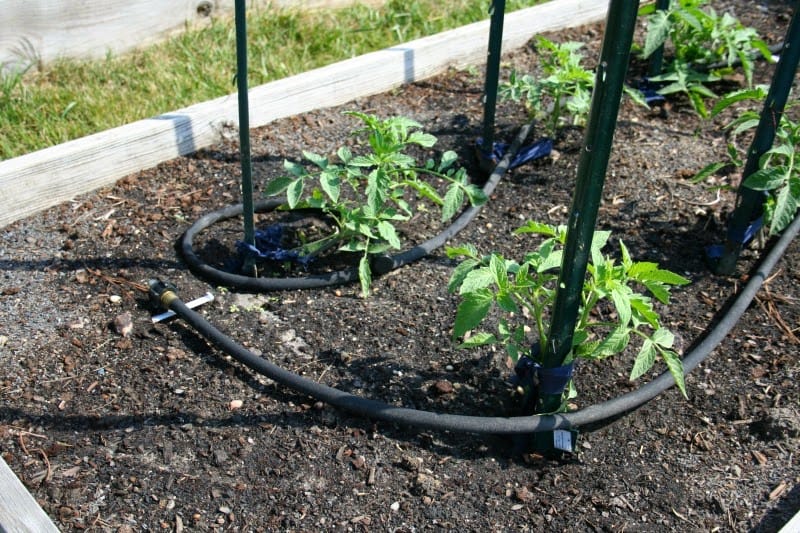
Drip irrigation and soaker hoses share a common goal: delivering water slowly and directly to the soil. This reduces evaporation, minimizes runoff, and helps maintain consistent soil moisture. However, the way they achieve this goal varies significantly. Drip irrigation uses a network of tubes, emitters, and connectors to deliver precise amounts of water to specific points. This precision is especially valuable in gardens with mixed plantings, where different species may have different moisture requirements.
Drip irrigation is often considered the gold standard for efficient watering. Emitters can be placed exactly where water is needed, whether at the base of a tomato plant, along a hedge, or in a raised bed. This makes drip systems ideal for gardens with diverse plant types, containers, or areas where water conservation is a priority.
Advantages of Drip Irrigation
One of the biggest advantages of drip irrigation is its flexibility. You can customize the system to fit almost any garden layout, adding or removing lines as needed. Many systems can be automated with timers, making it easy to maintain consistent watering schedules even when you are away. Because water is delivered slowly and directly to the root zone, plants experience less stress, and soil structure remains intact. Drip irrigation also reduces weed growth by limiting water to the areas you choose.
However, drip irrigation does require more planning and maintenance than a soaker hose. Installing a system involves measuring, cutting tubing, attaching connectors, and placing emitters. Emitters can clog over time, especially in areas with hard water or sediment. Regular flushing and occasional replacement are necessary to keep the system functioning well. Drip irrigation also tends to be more expensive upfront, though many gardeners find that the long-term water savings justify the investment.
How Soaker Hoses Work
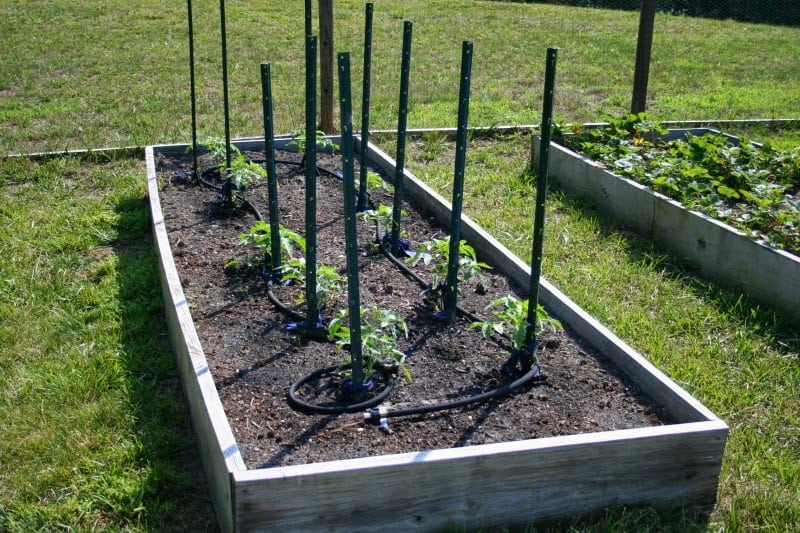
Soaker hoses offer a simpler, more affordable alternative. Made from porous rubber or recycled materials, they release water evenly along their entire length. When laid on the soil surface or buried under mulch, they provide a gentle, consistent source of moisture. Soaker hoses are ideal for straight rows of vegetables, foundation plantings, and long, narrow beds. They are easy to install: simply attach the hose to a faucet, lay it where needed, and turn on the water.
One of the strengths of soaker hoses is their ability to hydrate large areas without the need for individual emitters. They work especially well in gardens where plants have similar watering needs. Because they do not require complex fittings, they are also easier to reposition as your garden changes.
Advantages and Limitations of Soaker Hoses
Despite their convenience, soaker hoses have limitations. They are less precise than drip irrigation, making them less suitable for gardens with varied plant types or irregular layouts. Water distribution can be uneven, especially if the hose is long or the water pressure is inconsistent. The first few feet of the hose may release more water than the far end, which can lead to overwatering in some areas and underwatering in others. Soaker hoses also degrade over time, particularly when exposed to sunlight. They may need to be replaced every few years, depending on usage and climate.
Choosing the Best Irrigation Method for Your Home Garden
Choosing between drip irrigation and soaker hoses ultimately depends on your garden’s needs and your personal preferences. If you value precision, customization, and long-term efficiency, drip irrigation is likely the better choice. It is especially effective in gardens with diverse plantings, containers, or areas where water conservation is critical. If you prefer a simple, budget-friendly solution for uniform beds or vegetable rows, a soaker hose may be more practical.
Practical Irrigation Tips
Regardless of which system you choose, several practices can help you get the most out of your irrigation setup.
Water early in the morning when temperatures are cooler and evaporation is minimal. This ensures that plants have access to moisture throughout the day. Use mulch to help retain soil moisture and protect irrigation lines from sun exposure. Mulch also reduces weed growth and improves soil health over time.
Monitoring soil moisture is another important practice. Even with efficient irrigation systems, it is possible to overwater or underwater if you rely solely on timers. Check the soil regularly by digging a small hole or using a moisture meter. Adjust your watering schedule based on weather conditions, plant growth stages, and seasonal changes. During rainy periods, you may need to reduce or pause irrigation to prevent waterlogging.
Maintaining Your Irrigation System for Long-Term Success
Finally, maintain your system regularly. For drip irrigation, this means checking emitters for clogs, flushing lines, and inspecting connections. For soaker hoses, look for cracks, kinks, or areas where water flow seems uneven. Replacing worn sections promptly ensures that your garden continues to receive consistent moisture.
Both drip irrigation and soaker hoses offer effective ways to water your home garden while conserving water and promoting healthy plant growth. By understanding how each system works and considering your garden’s unique needs, you can choose the method that best supports your gardening goals. With thoughtful installation, regular maintenance, and mindful watering practices, either system can help you cultivate a thriving, productive garden.
Keep in mind that any water or irrigation is better than none. So if you use old-fashioned sprinklers, don’t worry about it. Not everyone can have drip irrigation. I have tried soaker hoses, drip irrigation, watering cans, and sprinklers, and still resort to sprinklers for my vegetable gardens. Use what works for your needs and to keep your plants healthy.