I love wildflowers. Back on Long Island, the first appearance of cornflowers along the side of Jericho Turnpike was always a sign that June was here and we were on the cusp of summertime.
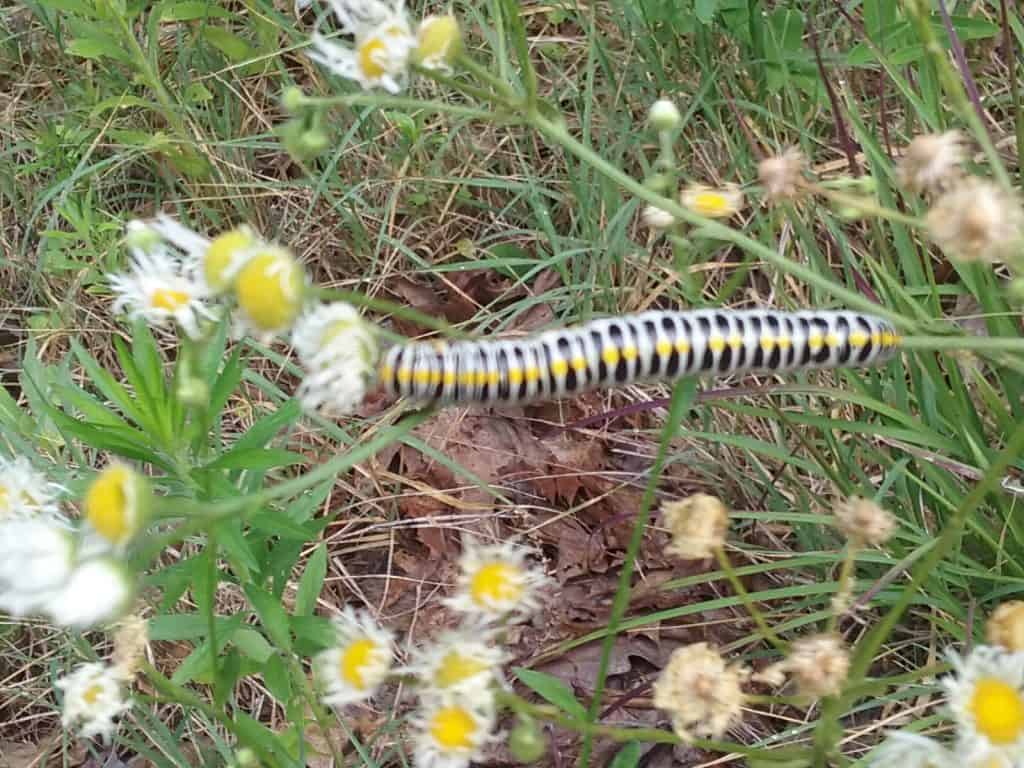
Wildflowers in Virginia
As a little girl, the first dandelions, along with the budding maple trees, meant my April birthday had arrived. And I always tried to transplant wild violets when I found them in the lawn into the garden (they never, ever took!)
Yesterday, I stopped by my friend Annette’s farm to pick up chocolate Easter eggs her daughter had made and for a little visit. She took me across her fields to share the beautiful sight of hundreds and hundreds of Virginia bluebells in bloom. I’d read about Virginia bluebells, and seen photos, and I’d even bought them from a catalog and tried to add them to my garden – but they didn’t take. I wish I’d had a camera with me to capture the sight of the late afternoon sunlight slanting through the nodding blue flowers. It was like a carpet of blue against a wash of emerald leaves and grass.
Wildflowers – Nature’s Gift
Wildflowers are gifts to us. Unlike all the cultivated flowers we plant, wildflowers choose where to grow. They dictate to us what they will, and will not do. They cannot be cut and carried into the house like a tame rose or snapdragon. Instead, they wilt and suffer when stuffed into a vase and placed on a kitchen table.
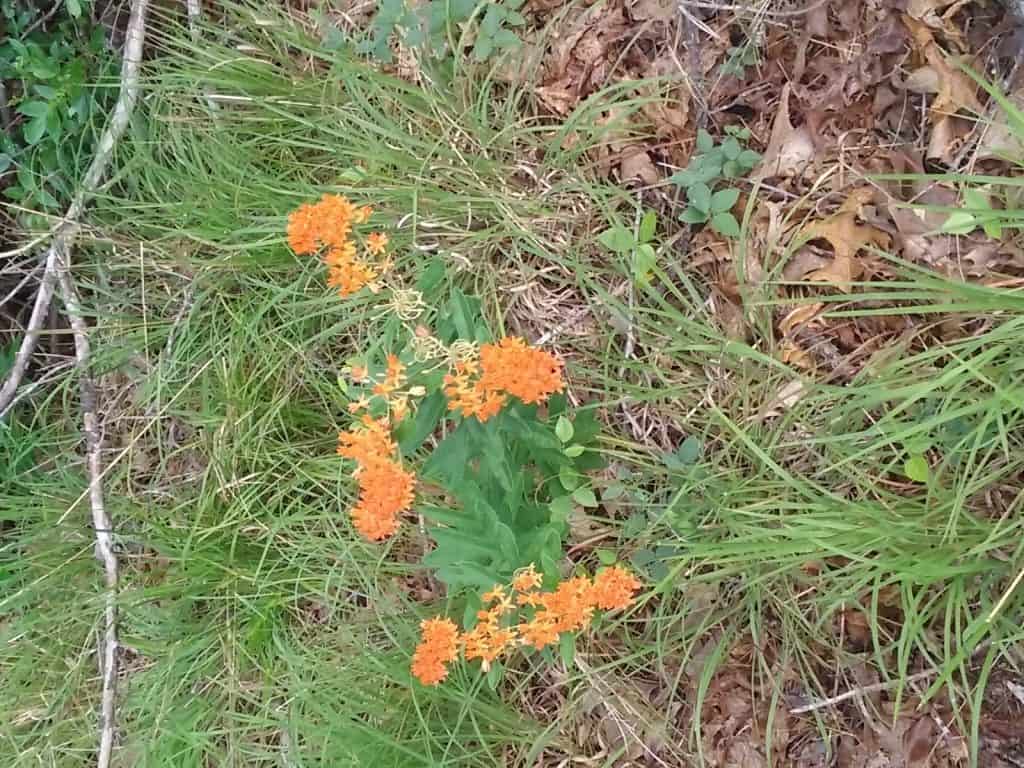
Many wildflowers are also called weeds, but that’s an inelegant name for a tough flower that’s intricately woven into God’s tapestry of nature. Many wildflowers are an essential part of His plan for life; monarch butterflies need butterfly weed and milkweed, and other flowers nurture bees and birds and insects and more.
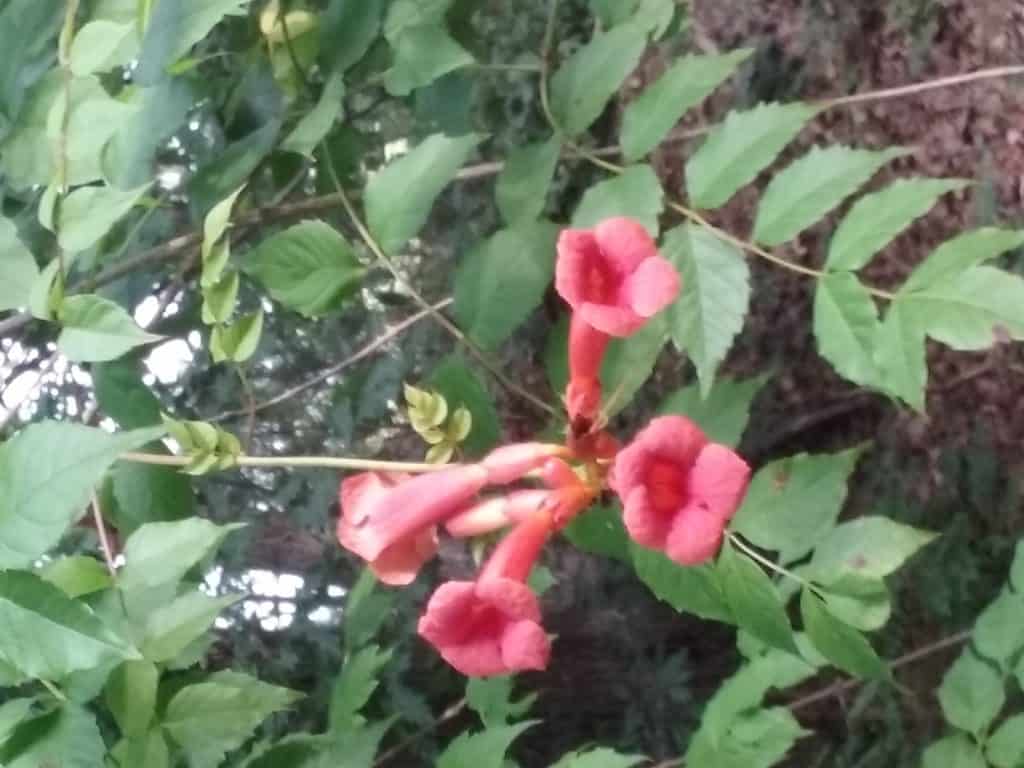
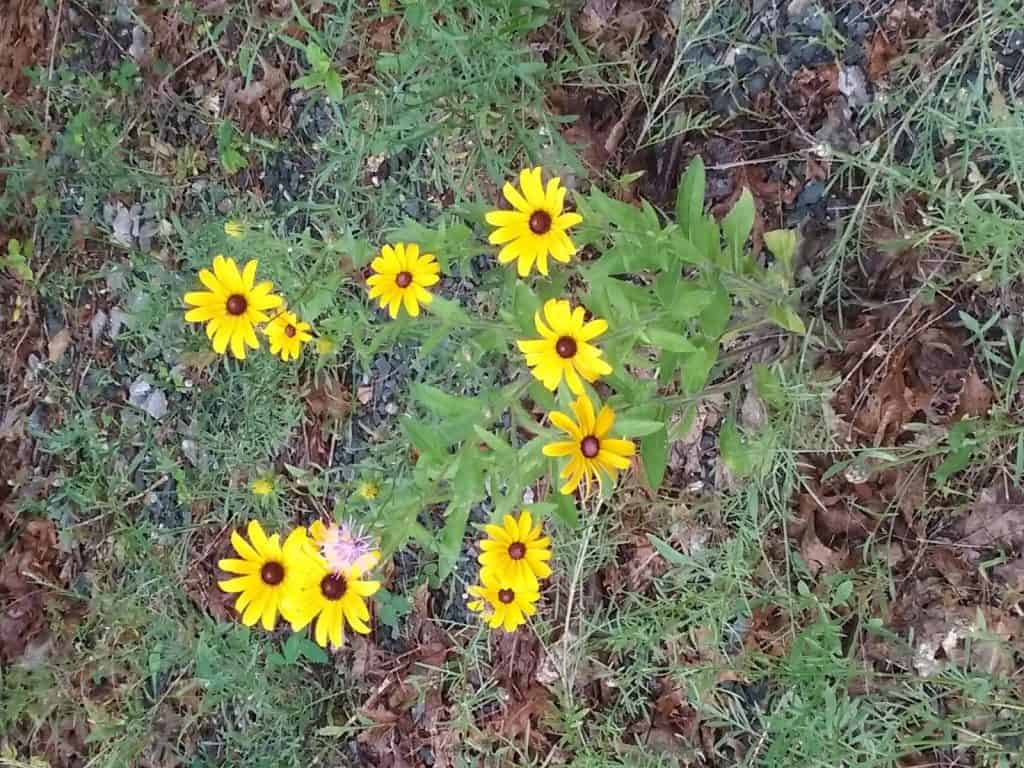
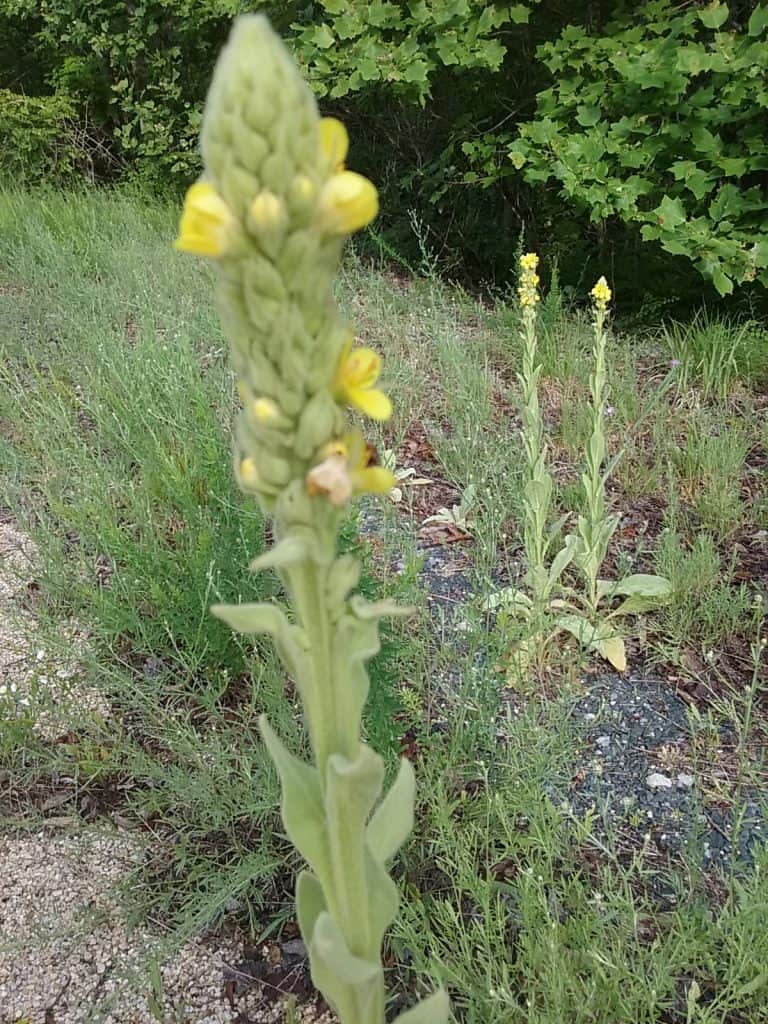
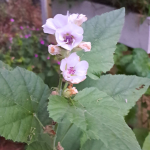
Today my task is to weed the perennial garden. Along the dirt paths (still waiting for the slates and finishing cement I’m afraid!) there are nodding purple and white violets, my own volunteer wildflowers. I have no idea how they got there. The nearest violets are in the woods, hundreds of feet away. Whether by windblown seeds or carried on the soles of our shoes, or perhaps the pads of many tiny animal feet, the violets are providing their own show before the tame plants, such as my roses and lavender, add their colors.
And I have four boxes of wildflower seeds to sow along with the backfield, hopefully, flowers that will choose to live with us.
But they may not choose to grow there. Do you remember what they said about Aslan in the Chronicles of Narnia? He’s not a tame lion.
Neither, I’m afraid, are wildflowers. They are anything but tame.
Mertensia virginica is one of my favorite flowers. I keep meaning to try them in a shady, damp spot here in CA. I have heard they are not happy outside of VA, but still…. There’s no sight like a bluebell wood.
Daffodil Planter, the site is truly amazing. I’ve tried buying plants from catalogs but they just won’t grow here yet. I’m thinking of trying again, but planting them in our woods. Maybe they will like it better.