Seed Starting Basics
Last night was our first night of the Master Gardener class here in Virginia, and as I sat at the table and waited for class to begin, someone walked in with a huge box of seed catalogs. I have easily as many catalogs, if not more, than what was in her box. At last count there are a dozen catalogs on my coffee table, a few in the magazine rack, and even more in the recycling bin in the garage. And that’s not counting the bulb catalogs which begin arriving in August!
Seed Starting Basics – Catalogs
Seed catalogs are so commonplace in my house that I did a double take as I heard someone in the room last night say, “I didn’t know there were so many catalogs.” I started thinking about how I learned about seed catalogs and I realized that we always had seed catalogs in my home growing up. The arrival of the Parks and Burpee catalogs heralded the start of gardening season. It was like opening day in baseball – you just knew spring was around the corner when those two catalogs appeared. My dad would dog ear the pages and take the catalog into the bathtub at night to peruse. Sometimes he would fall asleep in the tub, and I’d find a wrinkled, ripply catalog drying out on the furnace in the basement after its quick dunk in the tub the previous evening.
But what if you didn’t grow up reading seed catalogs? What if the whole idea of planting a garden fascinates you, and you love the idea of growing your own food, but it’s all new?
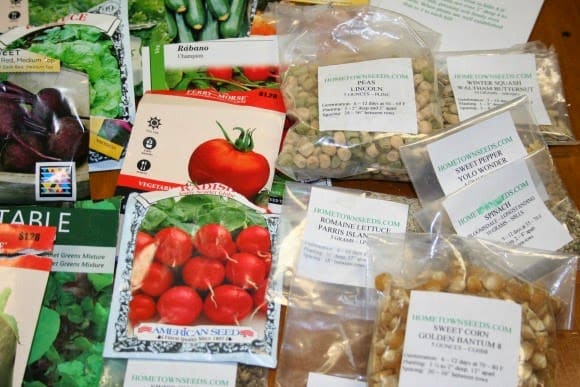
Seed starting basics begin with seeds and seed catalogs. Nowadays, that also encompasses shopping for seeds online. You can pretty much find anything you desire to grow online – anything. I have seen houseplant seeds for sale such as African violet seeds (I tried them and couldn’t get a single seed to germinate) to the commonplace, such as sunflowers, tomatoes and lettuce.
You can also find seed packages at your local garden center and home and garden stores such as Lowe’s and Home Depot. They usually start to appear on the shelves by mid to late January. That doesn’t mean that is the right time to plant them, by the way. Like Christmas decorations on the shelves in September, it’s just the merchant’s way of enticing you to buy them early and often.
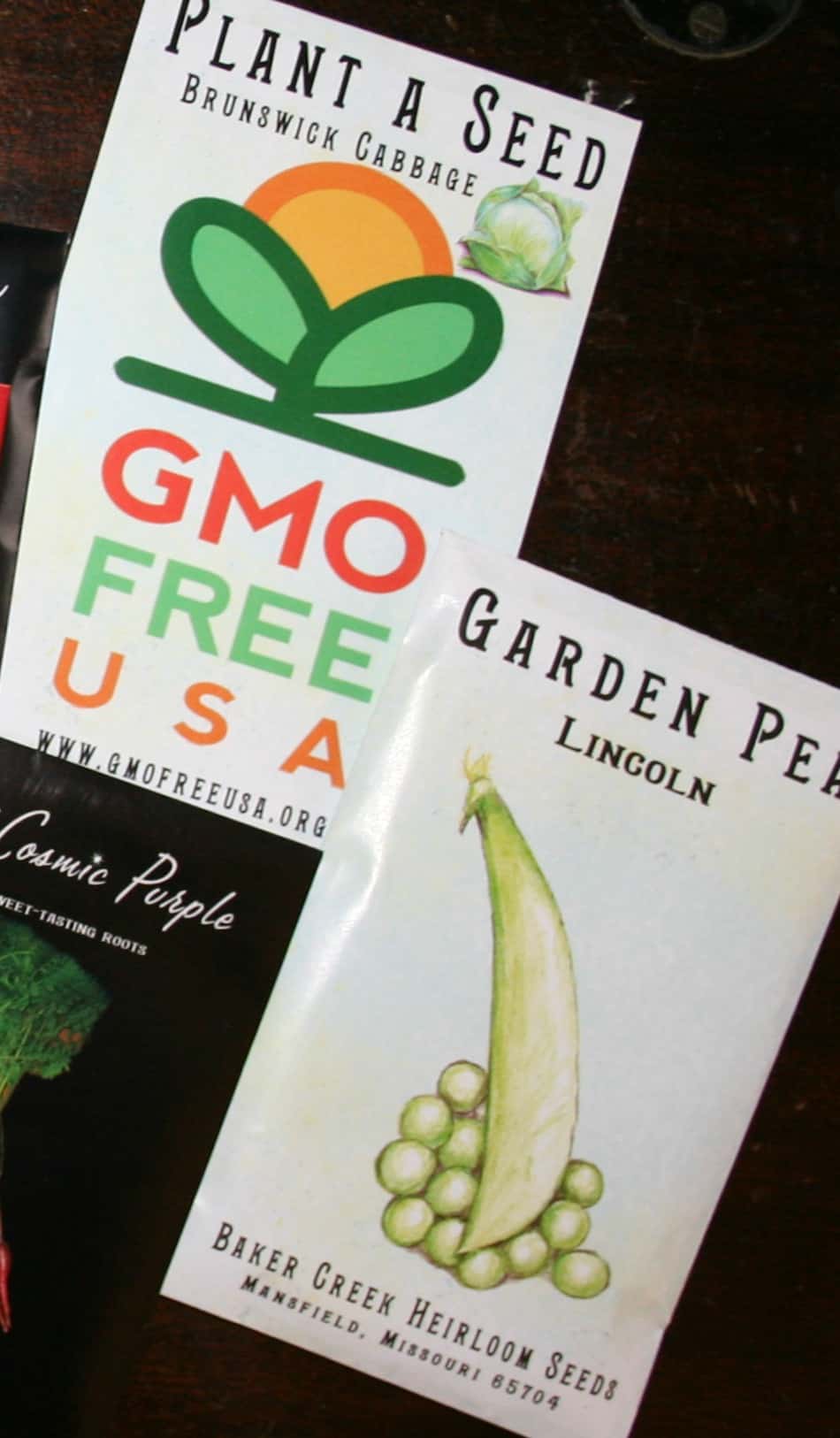
The way to tell when you should plant your seed packages is to flip them over and look on the back. Most companies provide detailed planting instructions right there on the back of the package. Many provide a map with colorful bands across it. Take a look at the map of the United States, find your state and approximate location, and look at the color key. That tells you the gardening zone where you live. Zone refers to the USDA Hardiness Zone and it gives you an approximately guide to planting various things outdoors. If you use your ‘frost free’ date in the spring (the last average date of frost for your area) and count backwards the approximate number of days and weeks recommended to germinate and properly start your seeds indoors, that’s about the time you should begin planting your seeds inside.
Not everything grows well from seeds. Some seeds are quite easy to start. Other plants need started sets (roots), bulbs, tubers or corms (root parts) to grow.
If you’re interested in ordering seeds by mail, start with the major sites such as Park Seed (www.parkseed.com), Burpee (www.burpee.com) and a few others. Browse first by area of interest – vegetables, herbs, annual flowers, perennial flowers. Take note of what conditions you have outside. Sun or partial shade? That guides your choices to some extent. Most vegetables require full sun, defined as six or more hours per day, in order to do well. You have more choices when it comes to flowers, for there are many beautiful flowers that do well in partial shade and even full shade.
Start this week to browse the seed catalogs online. But don’t buy anything yet unless you’re absolutely sure it’s what you want. As the weeks progress, you may see something in the store that’s more enticing or learn about a new variety from a friend. Now’s the time for planning!